After a year of rising travel costs, German travelers may finally catch a break.
The German government plans to reverse a controversial air traffic tax hike introduced in May 2024, according to the Bild newspaper. The move, expected to take effect with the 2026 federal budget, could help lower airfares and boost competition among airlines flying out of Germany.
The tax rollback marks a significant policy shift. In 2024, the government raised the air passenger tax on short-haul flights from €12.48 to €15.53, with similar increases on medium- and long-haul routes. Airlines and consumer advocates criticized the hike for driving up fares and weakening Germany’s competitive position in European air travel.
“We believe this change will bring relief to travelers and airlines alike,” a transport ministry spokesperson told local media earlier this week.
Industry experts say the reversal could also encourage airlines to restore cut routes and expand their offerings from German airports, particularly to long-haul destinations where taxes have a larger impact on price.
“When you reduce costs at the source, you enable airlines to reconsider marginal routes,” said Lukas Meier, an aviation analyst based in Frankfurt. “That means more choices for passengers and potentially lower fares overall.”
Flight prices from Germany have been under scrutiny in recent months. In the first half of 2025 saw a 3.8 percent increase in average ticket prices from Germany. Intra-European flights were especially hard hit, with prices up 7.7 percent compared to the previous year.
However, there is a silver lining: fares to Asia and Australia dropped by as much as 5.8 percent. Analysts attribute this decline to lower demand, currency fluctuations, and increased competition on long-haul routes.
Meanwhile, a broader trend may work in travelers’ favor. International fares from Europe have been dropping, with industry observers calling summer 2025 a “golden season” for affordable long-haul travel.
The German government’s decision appears to align with this larger shift.
“This is a smart, traveler-focused move,” said travel consultant Nina Brandt, who helps European clients optimize flight costs. “Germany was becoming one of the more expensive departure points in Europe. Reversing the tax gives it a chance to reclaim that lost ground.”
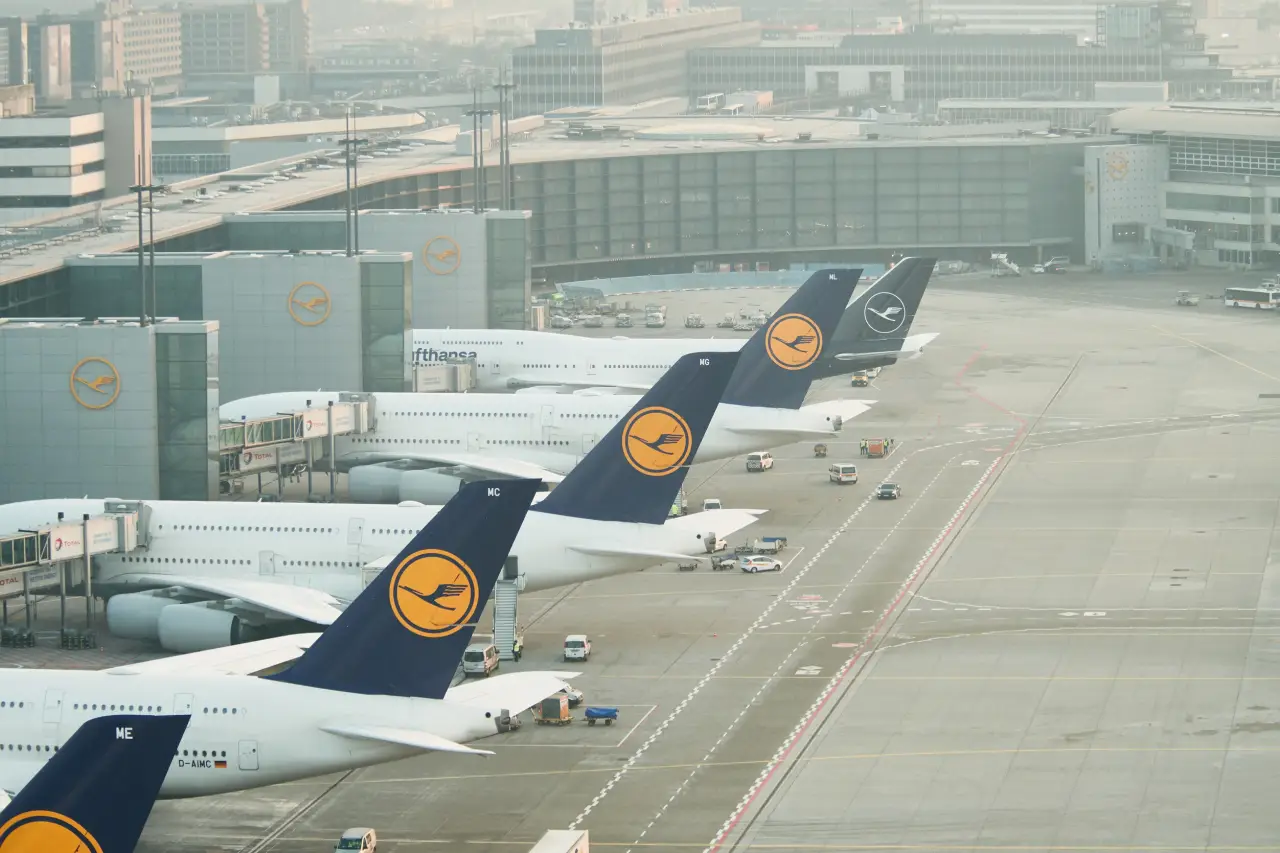
Airlines may also benefit. Carriers such as Lufthansa and Condor have reduced certain services from Germany in recent months due to high operating costs. A friendlier tax regime could entice them to reevaluate those decisions.
While the government has not yet provided a detailed timeline, officials indicated that the rollback would be part of the 2026 budget plan. Lawmakers are expected to finalize the federal budget later this year.
In the meantime, travel experts recommend that German travelers watch for dynamic pricing and remain flexible when booking flights. Consumers who book 6 to 11 weeks in advance, travel mid-week, or depart from hub airports such as Frankfurt, Munich or Berlin stand to save the most.
Flight alerts, flexible fare tools, and mid-week travel remain essential for finding deals. And if the tax rollback proceeds as planned, travelers could see even greater savings in 2026.
It’s worth noting that while fares may be falling, capacity isn’t necessarily rising. Airlines remain cautious about restoring routes suspended during the pandemic or abandoned due to cost. That means fewer seats on some long-haul routes, which can affect pricing during peak periods.
Still, many in the industry believe the policy change sends a positive signal.
“Germany is telling travelers: we hear you,” Meier said. “After a tough few years, that message is landing well.”