The director-general of the International Air Transport Association (IATA), Willie Walsh, was in Singapore recently where he talked about strategic and significant issues facing the aviation industry. These include the uncertainties surrounding the impending U.S tariffs and the viability of low cost carrier models upon the exit of Qantas’ owned Jetstar. He also heavily criticised the EU’s sustainable aviation fuel (SAF).
U.S. tariffs may cause airlines to refuse delivery of aircraft
Airlines may be reluctant to take delivery of aircraft due to the ongoing uncertainty around U.S. tariffs and their impact on the cost of the planes, Walsh said, as reported by Reuters.
“It’s not just going to be a major Boeing and Airbus issue. It’ll impact all aspects of the aerospace industry and have an impact on most, if not all, airlines as well,” he said.
The 50% tariff that U.S. President Donald Trump plans to impose on Brazilian exports starting in August could hammer the revenue of planemaker Embraer like the COVID-19 pandemic did, its CEO Francisco Gomes Neto, warned last week, flagging risks to U.S. partners.
Neto said the tariffs would amount to a trade embargo on the regional jets it supplies to U.S. airlines and could trigger order cancellations, deferred deliveries and tough consequences for Embraer’s U.S. suppliers.
EU’s green fuel mandate costly, not helping environment
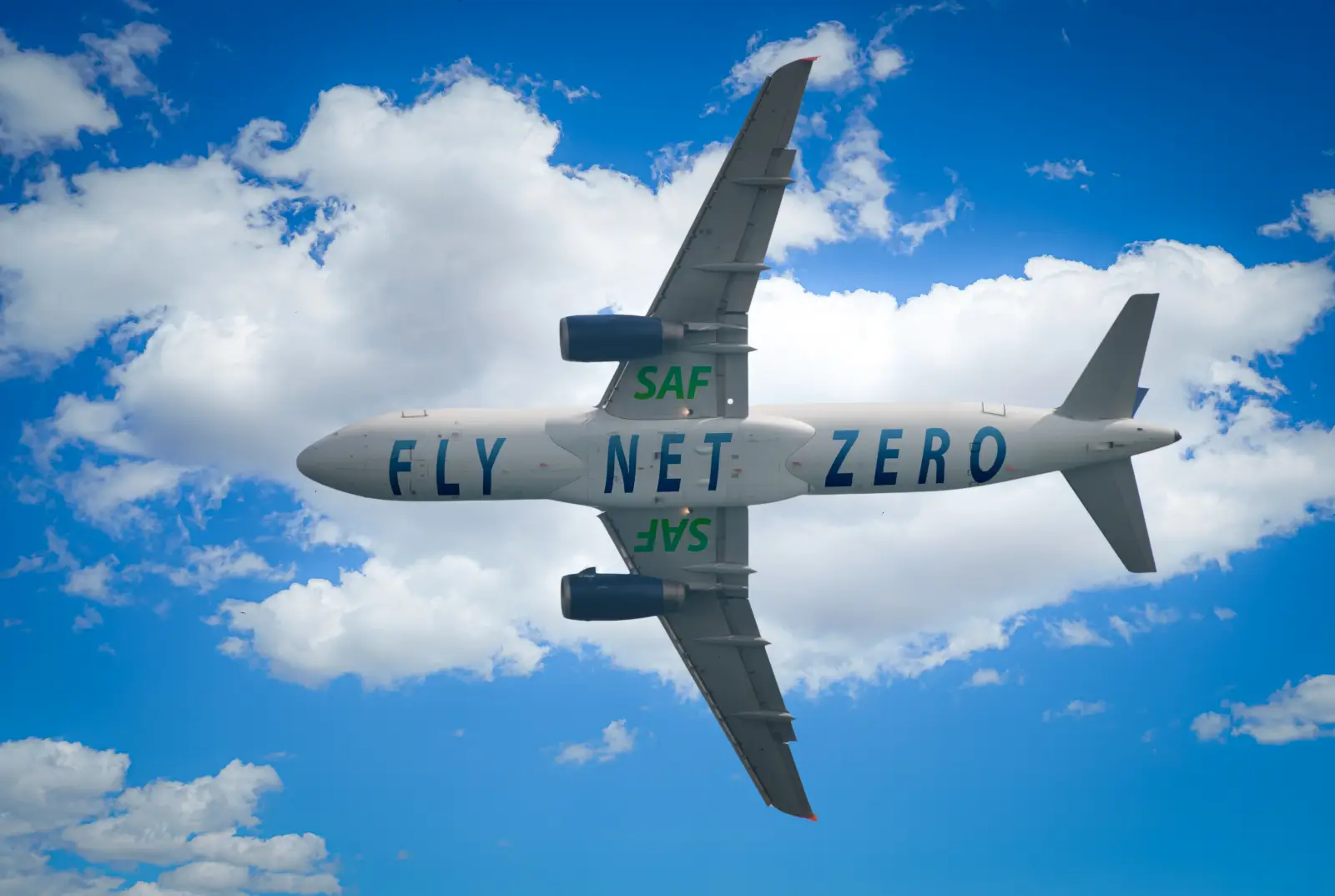
IATA also stepped up criticism of the European Union’s sustainable aviation fuel (SAF) mandate as a costly initiative that is not helping the environment as regional supplies there remain low.
“The idea that you’re buying sustainable fuel and then transporting it to use in Europe isn’t the right way to do it, because you’re clearly increasing the carbon footprint of that fuel as a result of the transportation costs,” Walsh said.
IATA estimated in June that production of SAF, which is considered a low carbon replacement for traditional jet fuel is expected to reach two million tonnes, or 0.7 per cent of airlines’ fuel consumption, in 2025.
“Mandating the use of a product that isn’t available doesn’t lead to any environmental benefit,” Walsh said, adding that fuel companies that have an obligation to produce SAF are also increasing the cost of traditional jet fuel.
By IATA’s assessment, he said “the cost that they’re charging is way in excess of the actual cost of the limited supplies of sustainable fuel”.
“The EU in effect has facilitated monopoly suppliers to increase prices with no environmental benefit,” said Walsh, adding that the region needs to re-evaluate its SAF targets.
Under the ReFuelEU Aviation requirement, airlines need to have a six per cent SAF blend in their jet fuel usage by 2030. The EU is offering some subsidies for SAF purchases by airlines, Reuters reported in June.
On the supply front, at least five SAF projects in Asia, outside of China, have started up or are earmarked to start production in 2025, targeting exports regionally and to Europe. Singapore is among key exporters of the green fuel to the EU.
Walsh also questioned the use of palm oil as a means to produce sustainable fuel.
“I think that you could argue there is sustainable palm oil and there is palm oil that wouldn’t be considered sustainable, and I think in some parts of the world there it’s too black and white,” Walsh said.
We need to have a much more “nuanced approach” to the usage of palm oil as a feedstock and “much more detailed assessment of the sustainability of the feedstock”, he added.
Low-cost carrier model remains viable, but may not work at every airport
The budget airline model is not dead, but it does not always work at every airport, said Walsh. He added that it probably does not make sense for budget carriers to operate at certain airports because of their nature or cost structure.
“Just because you see some low-cost airlines exiting the market, I don’t think you can read across that the business model is not relevant for the future,” he said. “I firmly believe it is and will continue to be. But it doesn’t always work at every airport. Airlines that are labelled budget or low-cost, that doesn’t necessarily guarantee their financial success.”
The viability of budget airlines at high-cost airports such as Changi Airport was thrust into the spotlight after Jetstar Asia said it was exiting Singapore at the end of July, flagging increased competition and operating costs as some push factors.
“Heathrow Airport is no different. For example, there’s no real low-cost operation at Heathrow, principally because of the cost of the airport and the access to slots.”
The airline industry is a highly competitive one, Walsh added. He pointed out that, although 408 new airlines were started in the past decade to December 2024, there were 420 failures as well, making a net loss of 12. Profitability on a global level is wafer-thin – the net profit margin this year is forecast at 3.7 per cent.
Photo Credit: Ivan Marc / Shutterstock.com