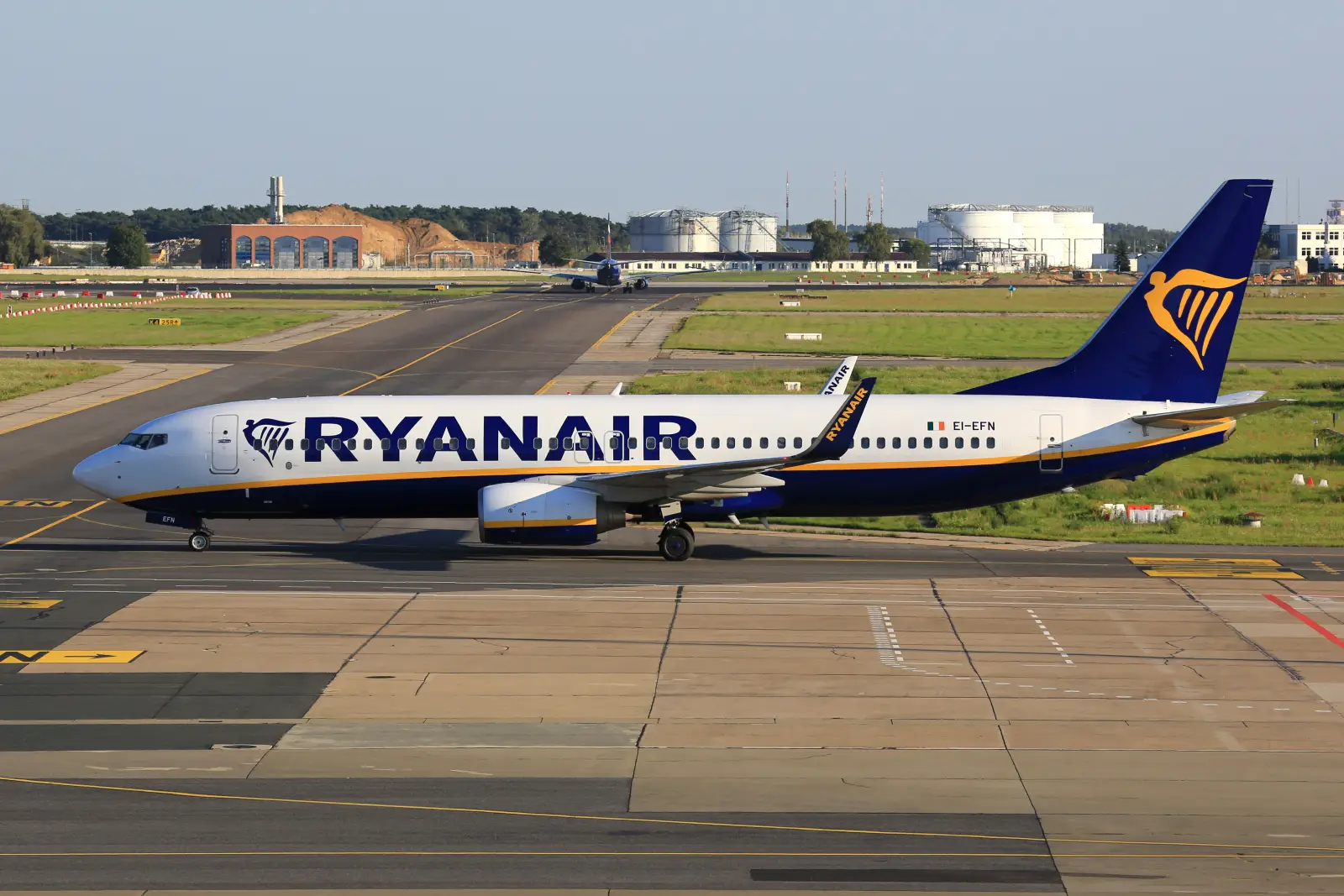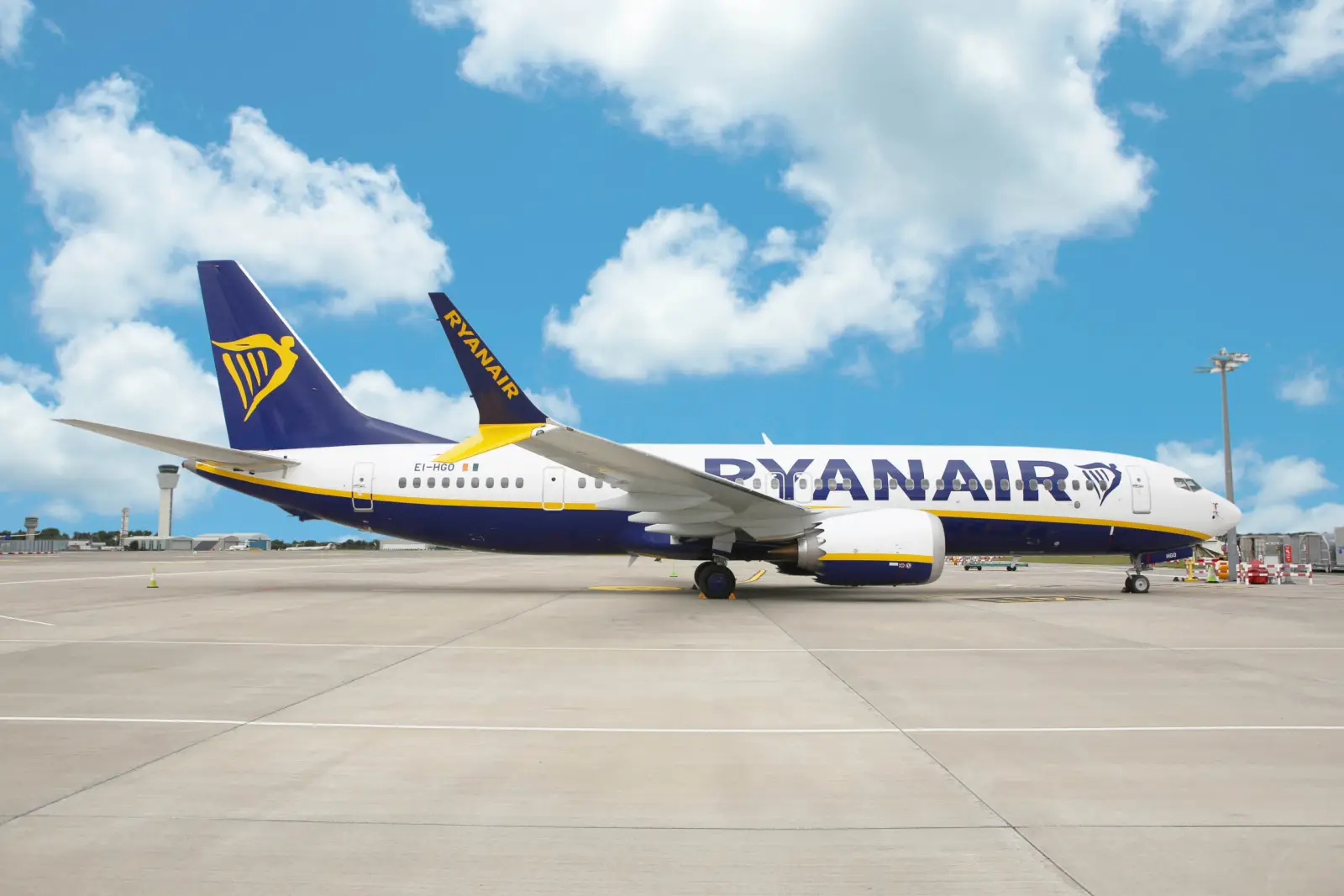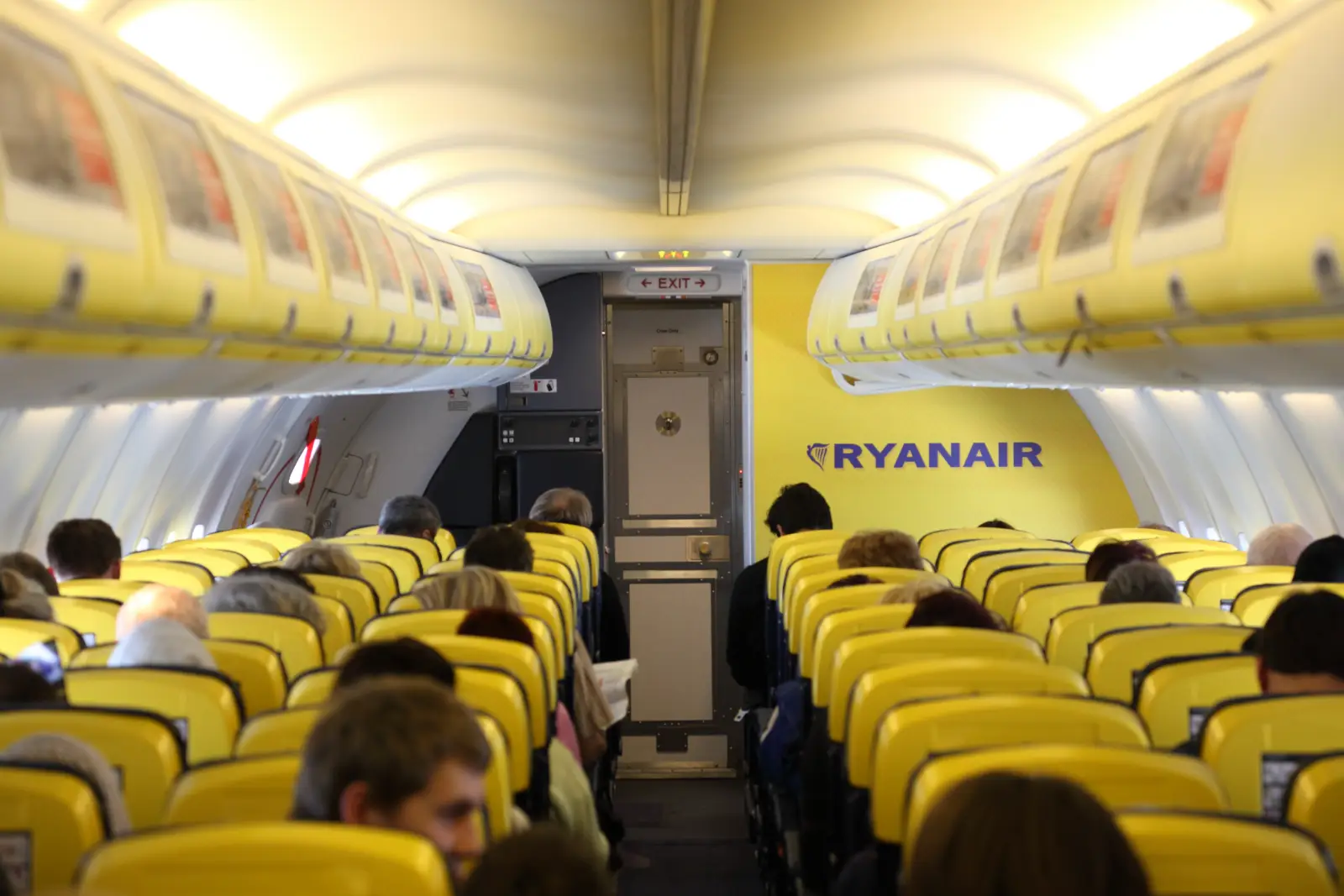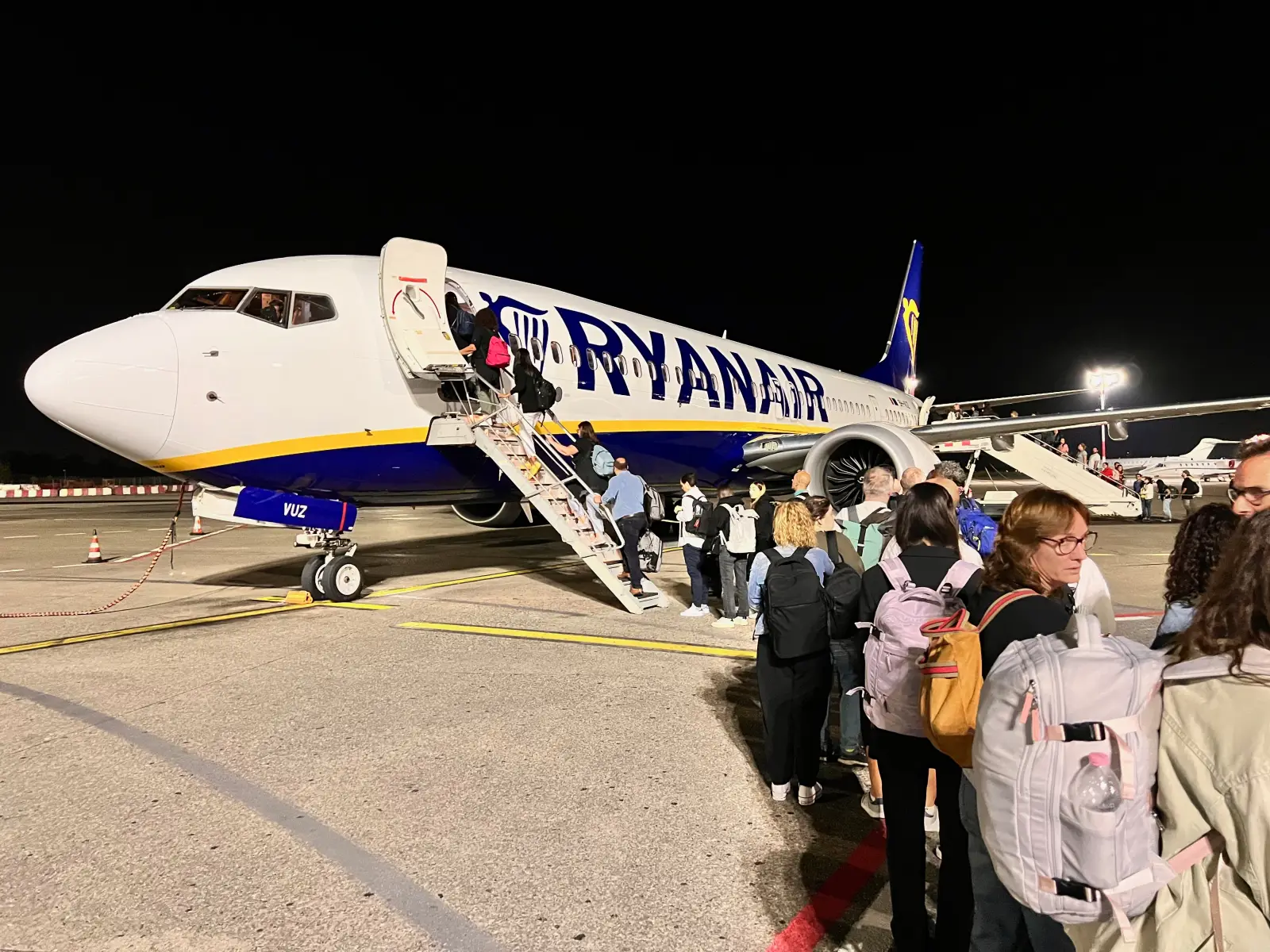
Ryanair has confirmed it pays small bonuses to staff who identify oversized cabin bags at boarding gates, following leaked payslips and internal documents shared online. The revelation has renewed concerns about passenger fees and gate enforcement tactics just as European regulators push for unified baggage rules.
The Dublin-based airline acknowledged this week that it offers what it calls a “gate bag bonus” — an incentive of roughly €1.50 per oversized bag flagged at the gate. Staff bonuses are capped at approximately €80 per month. The disclosure contradicts earlier statements suggesting no commission structure was in place.
Small Bonus, Big Backlash
Although Ryanair downplayed the scope of the scheme — stating fewer than 0.1% of its 200 million annual passengers are affected — passenger advocates argue that the policy creates a conflict of interest. Flyers charged up to €75 at the gate may now question whether enforcement is driven by space limitations or revenue incentives.
Evidence of the scheme first appeared online in early July, when a former airport worker shared a payslip showing the gate bag payments. Ryanair later confirmed the arrangement, adding that the bonus aims to ensure cabin baggage policies are enforced “fairly and consistently.”
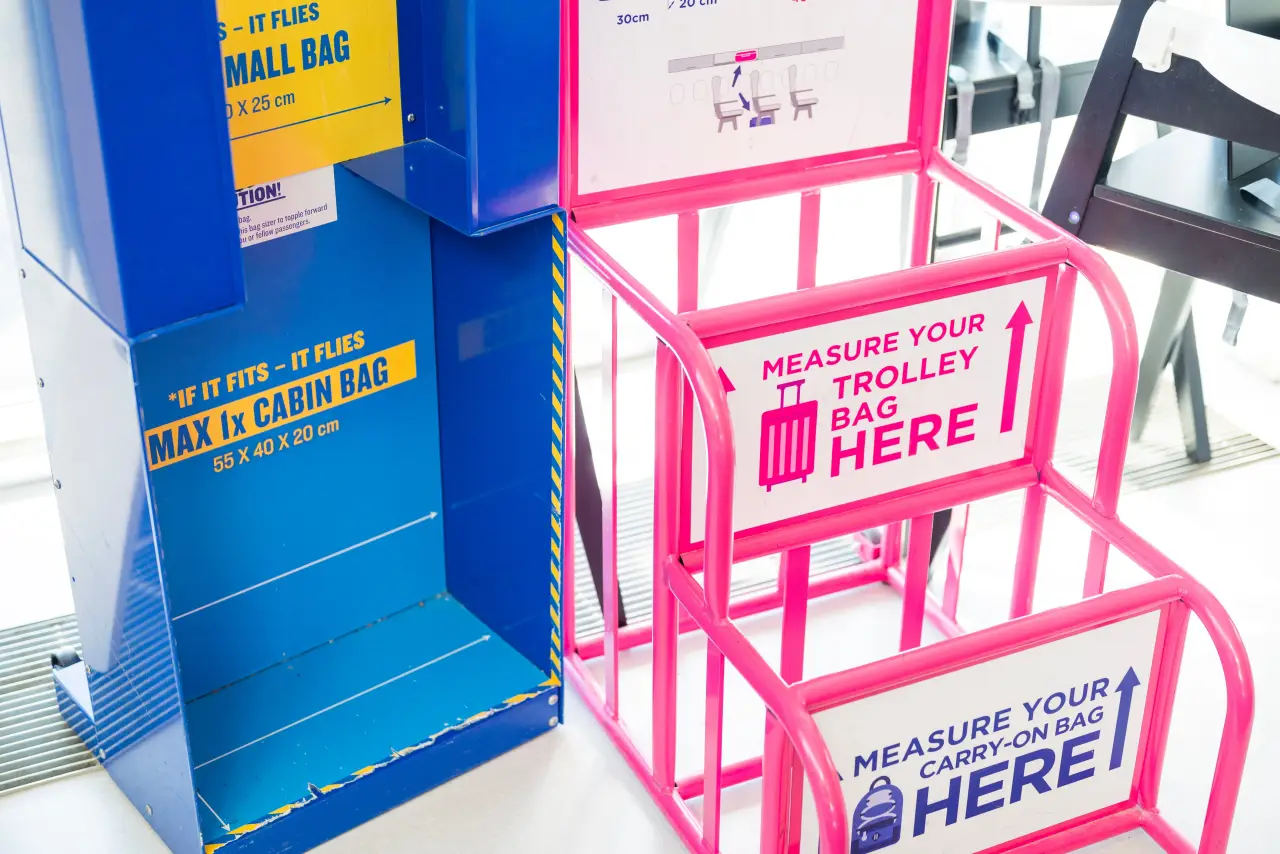
A Common Industry Practice
Ryanair isn’t alone in using incentives tied to baggage enforcement. Staff employed by ground handlers such as Swissport — which services airlines including easyJet — may receive similar payments, often around £1.20 (€1.40) per oversized bag. The bonuses typically apply only when passengers are charged at the gate.
“These types of incentives are industry-wide,” one former Ryanair contractor told The Times. “But they’re minimal. You’d have to catch 50 oversized bags a month to make even €75 — and deal with the angry passengers that come with it.”
Still, critics argue that even modest incentives risk encouraging inconsistent or overly aggressive enforcement, particularly at busy or understaffed airports.
EU Push for Uniform Hand Luggage Rights
The timing of the controversy is notable. The European Union is moving closer to standardizing cabin baggage rules across member states. A key proposal would guarantee a free carry-on bag of up to 7 kilograms, while also setting minimum size allowances — potentially limiting airlines’ ability to set their own baggage dimensions and fees.
In response, Ryanair recently revised its personal item policy, standardizing the allowed dimensions at 40 × 30 × 20 cm to align with the EU’s expected rules. However, the airline has not made changes to gate bag penalties or the staff bonus system.
As pressure mounts for greater transparency in airline pricing, Ryanair and its low-cost peers may face more scrutiny — not just from regulators, but from passengers increasingly wary of unexpected fees.
Consumer groups across Europe have urged lawmakers to curb what they call “fee traps” in the airline industry. Meanwhile, travelers are advised to triple-check luggage dimensions before departure to avoid costly gate surprises — and, increasingly, to question how those checks are incentivized.