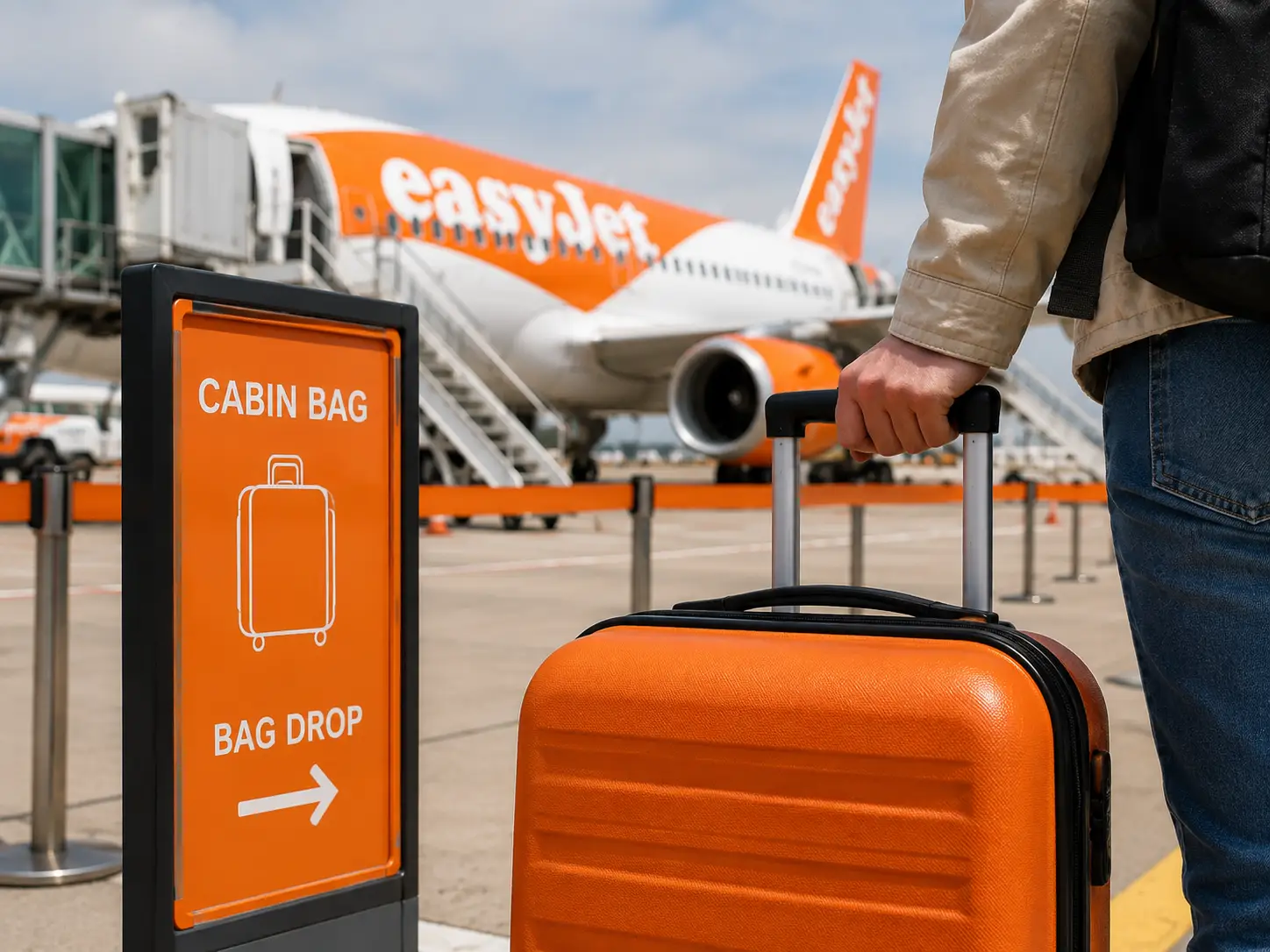
EU plans to ban carry-on luggage fees are gaining momentum after the European Parliament’s transport and tourism committee voted in favor of new regulations that could transform the way low-cost air travel works across the continent. If the proposal passes, travelers flying within the EU and to the UK may no longer face surprise charges for bringing a small suitcase on board.
The committee’s decision, made on June 24, 2025, pushes forward a comprehensive passenger rights package that aims to crack down on hidden airline fees, enhance transparency, and protect vulnerable passengers.
With a strong majority backing the motion, the legislation now moves toward a full Parliament vote before entering negotiations with the Council of the European Union.
EU Plans to Ban Carry-On Luggage Fees: What’s Changing?
The central element of the proposal is a rule requiring airlines to include two types of carry-on luggage in the base fare for all passengers:
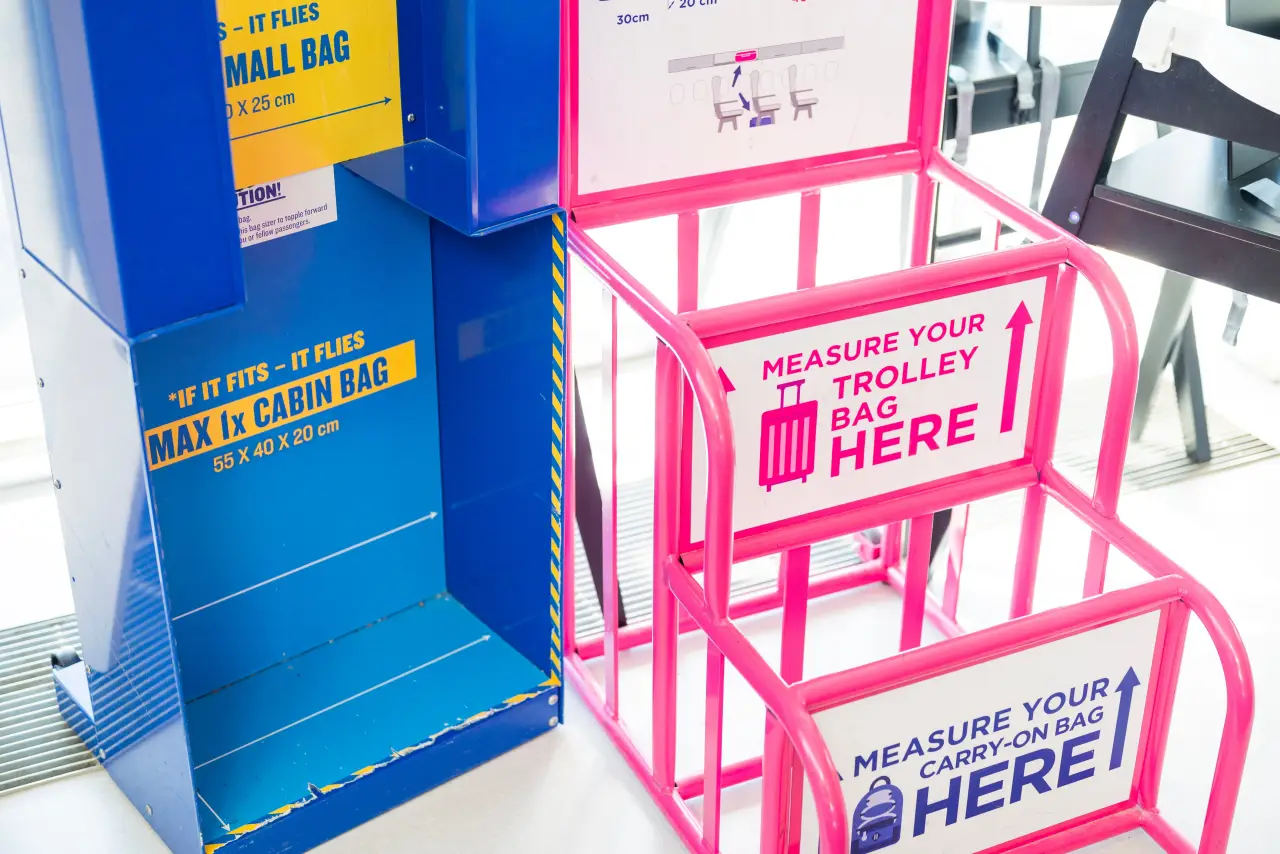
- One personal item (e.g., handbag, laptop bag) — up to 40×30×15 cm
- One small cabin bag — up to 7 kg and a total of 100 cm in combined dimensions
Additional provisions in the legislative package include:
- Free seat assignments for children under 12 when traveling with adults
- Free adjacent seating for passengers with reduced mobility and their companions
- A standardized EU-wide form for claiming refunds and compensation for delays or cancellations
This move echoes a 2014 European Court of Justice ruling that declared hand luggage a “necessary item” for air travel, but airlines have continued to charge for it, citing operational freedom under EU law. The new rules would make it illegal to do so.
Airlines Push Back Against New Rules
Low-cost carriers are not taking the proposed ban lightly. Ryanair, Europe’s largest budget airline, argues that the changes will harm consumers by removing flexibility and increasing base fares. The company maintains that its baggage policies comply with Regulation 1008/2008, which gives airlines pricing freedom.
Similarly, easyJet CEO Johan Lundgren labeled recent fines and legislative moves against luggage fees as “anti-consumer” and “illegal,” claiming they would drive up costs for passengers who prefer to travel light. The airline believes customers should be able to choose services à la carte rather than pay for features they don’t use.
While Wizz Air has not issued a direct comment in the past week, industry association Airlines for Europe (A4E)—which represents many budget airlines—warned the legislation could cause boarding delays and logistical issues due to limited overhead bin space on standard narrow-body aircraft.
What It Means for Travelers
If the legislation passes in its current form, passengers would benefit from:
| Change | Impact |
|---|---|
| No carry-on fees | Small bags included in ticket price—no surprise charges at check-in or boarding |
| Family and disability protections | Free adjacent seating for minors and people needing assistance |
| Refund simplification | EU-wide claim form will standardize and speed up compensation processes |
It’s a significant consumer rights development, especially at a time when airlines have increasingly relied on ancillary revenue—like baggage fees—to maintain profitability. According to financial reports, Ryanair earned over €4.7 billion from extras like baggage and seat selection in 2024 alone.
What’s Next?
The proposal now awaits a full vote in the European Parliament, expected later this summer. If passed, it will enter trilogue negotiations with the Council of the EU and the European Commission. Final adoption could occur by late 2025, with implementation phased in through 2026.
Until then, travelers should continue to read the fine print when booking with budget airlines—and watch for changes in fare structures as carriers adapt to potential new rules.