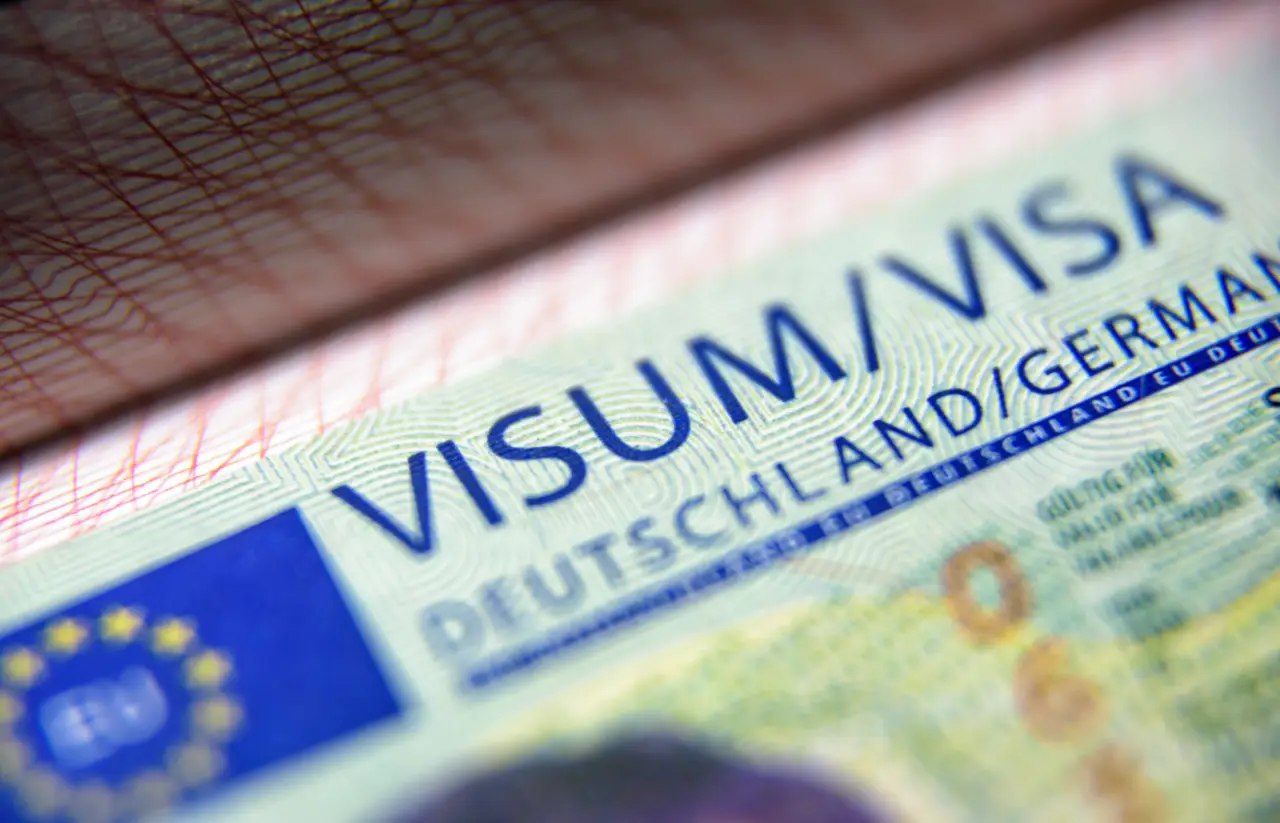
Russian travelers will now face tougher access to Europe after the European Union ended the issuance of multiple-entry Schengen visas to Russian nationals.
The decision, announced today, on November 7, follows months of internal debate and comes amid what EU officials describe as “heightened security concerns” linked to the war in Ukraine.
Under the new rules, Russian citizens will only be eligible for single-entry short-stay visas, meaning they must apply for a new visa each time they wish to travel to the EU. The European Commission confirmed that the measure takes effect immediately across all Schengen countries, though member states retain limited discretion to issue multiple-entry visas in exceptional humanitarian cases, such as for journalists or human rights defenders.
Security cited as main driver of the visa change
The move is part of a broader tightening of EU visa policy toward Russia, with officials citing growing security threats, espionage risks, and what they call the “weaponisation of migration” by Moscow. According to a statement reported by the European Commission, the suspension of multiple-entry visas aims to “strengthen border security and ensure that visa policies reflect current geopolitical realities.”
Several European media outlets reported that the decision followed intelligence assessments warning of increased sabotage and infiltration attempts in recent months. The EU’s Implementing Decision, published on the European Commission’s Home Affairs website, formally establishes the new rules governing visa issuance to Russian nationals.
“From now on, Russian nationals will no longer be able to receive multiple-entry visas,” the Commission stated. “This means Russian nationals will have to apply for a new visa each time they plan to travel to the EU.”
Immediate effect across the Schengen area
The measure applies to all 27 EU member states participating in the Schengen zone, including popular destinations such as France, Italy, Spain, and Germany. While the policy does not amount to a full travel ban, it substantially increases the administrative burden and cost for Russian travelers, who will now have to file separate visa applications for each trip.
National authorities still have the ability to grant multi-entry visas for humanitarian reasons or in cases deemed to serve the EU’s interests. However, these exceptions are expected to be rare. The European Commission said the rule aims to create a unified approach across all Schengen countries, limiting inconsistencies in how Russian applicants are treated at national consulates.
The announcement marks the latest in a series of EU actions tightening travel access for Russian citizens since Moscow’s full-scale invasion of Ukraine in 2022. The EU previously suspended its visa facilitation agreement with Russia in September 2022, a move that lengthened processing times and raised application fees for Russian nationals.
Impact on travelers and tourism
For Russian tourists, the change means Europe trips will now require more paperwork, longer waiting periods, and higher costs. Russian nationals received more than 500,000 short-stay Schengen visas in 2024 — a sharp decline from over 4 million in 2019, before the pandemic and the war in Ukraine drastically reduced outbound travel.
Travel agencies that cater to Russian clients have warned that the end of multi-entry visas could make leisure travel to Europe “impractical” for frequent visitors and business travelers. The new restrictions also apply to Russians residing abroad who hold non-EU residence permits, potentially complicating trips home or to neighboring countries.
Tourism analysts say the policy could have a moderate economic impact on border tourism in Finland, Estonia, and Latvia — three EU member states that have long served as gateways for Russian visitors. However, those governments have supported stricter entry rules, arguing that travel restrictions align with broader EU sanctions and security measures.
“The EU’s message is that normal travel cannot continue in the context of war,” an EU diplomat told regional media, noting that the bloc’s visa system is increasingly being used as a foreign policy tool. While tourism and business travel from Russia are not banned outright, the EU has made clear that travel privileges will not remain unchanged during ongoing hostilities.
Wider geopolitical context
The new visa restrictions come as part of a coordinated set of EU actions to counter perceived Russian hybrid threats, including cyberattacks, disinformation campaigns, and alleged sabotage operations within member states. European intelligence services have reported increased attempts by Russian nationals to enter under false pretenses, prompting several governments to call for tighter screening of visa applicants.
The European Commission has framed the policy as a balance between security and principle. It noted that while travel by Russian citizens remains possible, the new system ensures greater scrutiny and aligns visa practices with the EU’s foreign policy stance. Humanitarian and professional categories — such as accredited journalists or civil society members — will continue to receive consideration under existing EU guidelines.
In response, Moscow has criticized the move as discriminatory and politically motivated. Russian officials have argued that ordinary citizens should not be penalized for government actions, though the EU maintains that the decision is grounded in collective security concerns rather than collective punishment.
The change highlights a continuing shift in Europe’s visa strategy, which increasingly reflects geopolitical priorities rather than solely mobility and tourism. For Russian travelers, it signals the end of a period when long-term, multi-entry access to the Schengen zone was relatively routine — and the beginning of a more restricted era for travel between Russia and Europe.