Lufthansa Group plans to cut 4,000 jobs by 2030 as part of a broader strategy to boost efficiency through digitalization and artificial intelligence while pursuing new profitability and sustainability targets.
The measures, announced on September 28, will focus on non-customer-facing positions and coincide with a significant investment in new aircraft and premium services.
The German airline group stated that the reductions will be implemented gradually, primarily in administrative and back-office functions. The company aims to adapt to new technologies while improving its financial performance, targeting an operating profit margin of 8% to 10% by the end of the decade.
Job Reductions Linked to Digital Transformation
Lufthansa explained that the 4,000 job cuts are tied to the rollout of automation, AI systems, and digital processes designed to streamline operations. The carrier emphasized that frontline employees, such as flight attendants, pilots, and ground staff directly serving passengers, will not be affected by the reductions.
“We are transforming Lufthansa into a more digital, efficient, and profitable company,” said Carsten Spohr, CEO of Lufthansa Group. He added that the company is aligning its workforce with the requirements of a modernized airline industry. The group currently employs more than 100,000 people worldwide.
The company has not yet detailed the financial savings expected from the job cuts but indicated that the measures are part of a broader effort to secure long-term competitiveness in a challenging market.
Fleet Renewal and Expansion
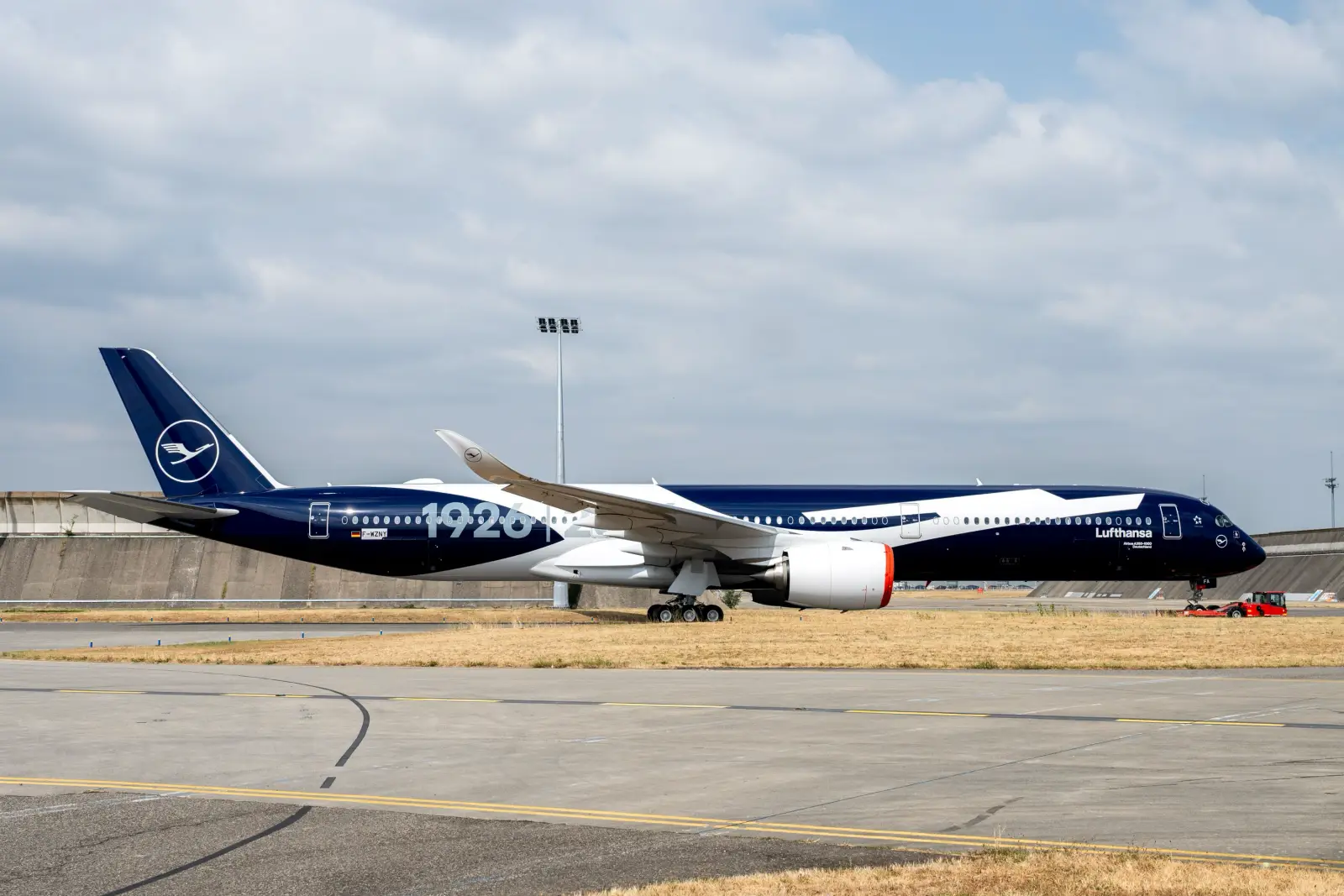
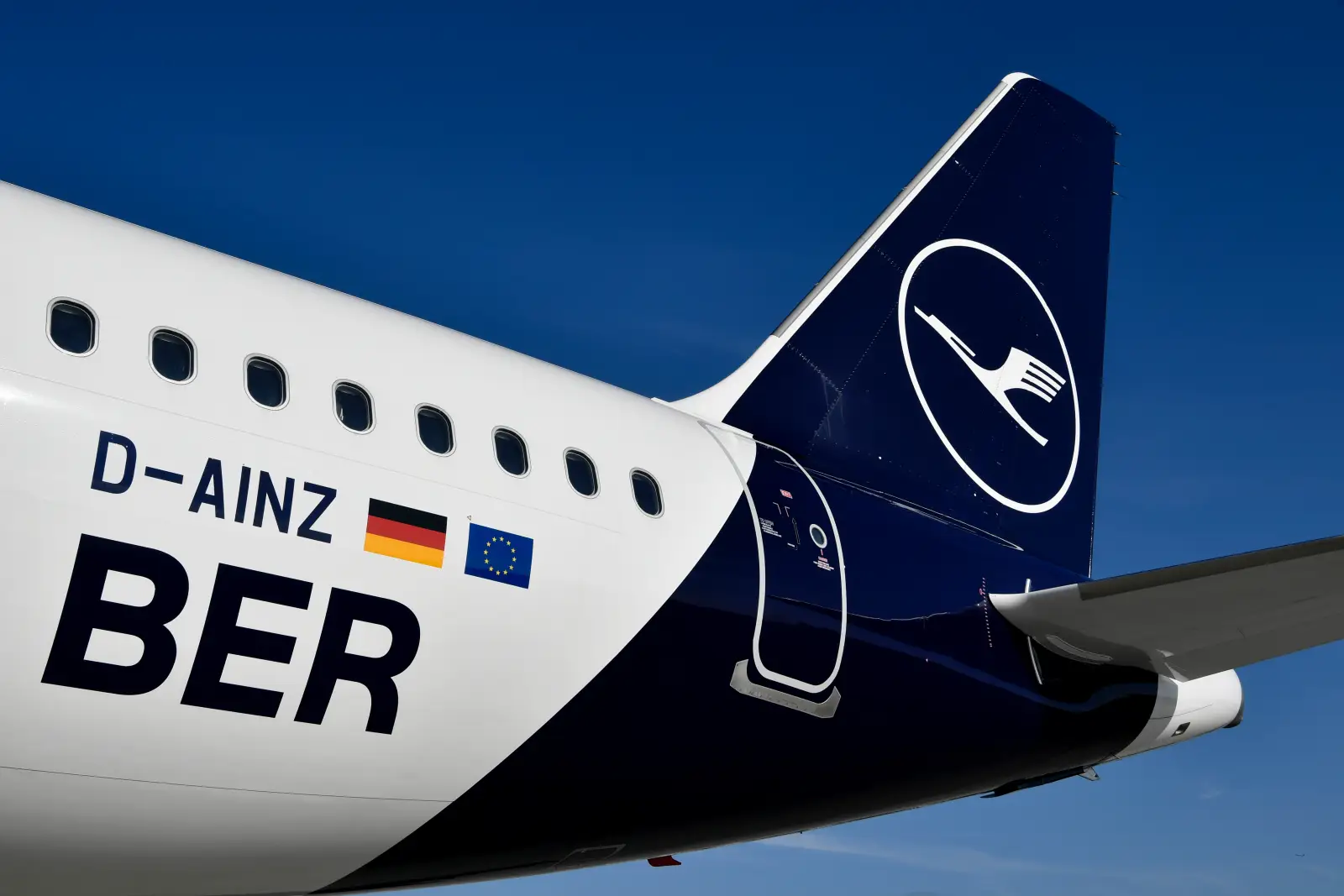
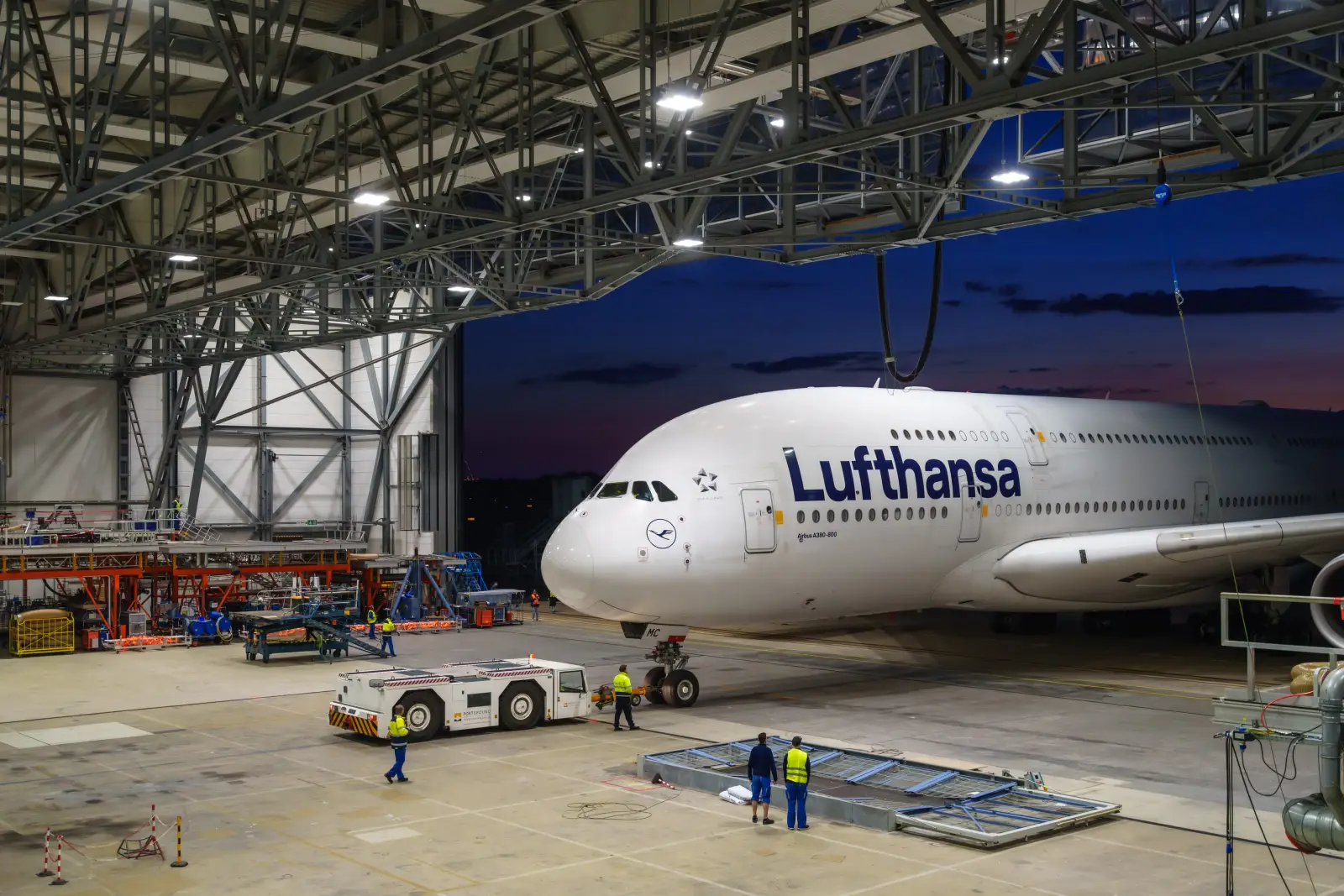
Alongside workforce reductions, Lufthansa is pressing ahead with a major fleet renewal program. The group confirmed that it will take delivery of more than 200 new aircraft by 2030, including long-haul jets and fuel-efficient short-haul planes. The investment aims to reduce emissions per passenger and enhance the premium travel experience.
These aircraft orders support Lufthansa’s commitment to its decarbonization strategy, which aims to achieve a 50% reduction in net carbon emissions by 2030 compared to 2019 levels. The group also reiterated its long-term goal of reaching carbon neutrality by 2050.
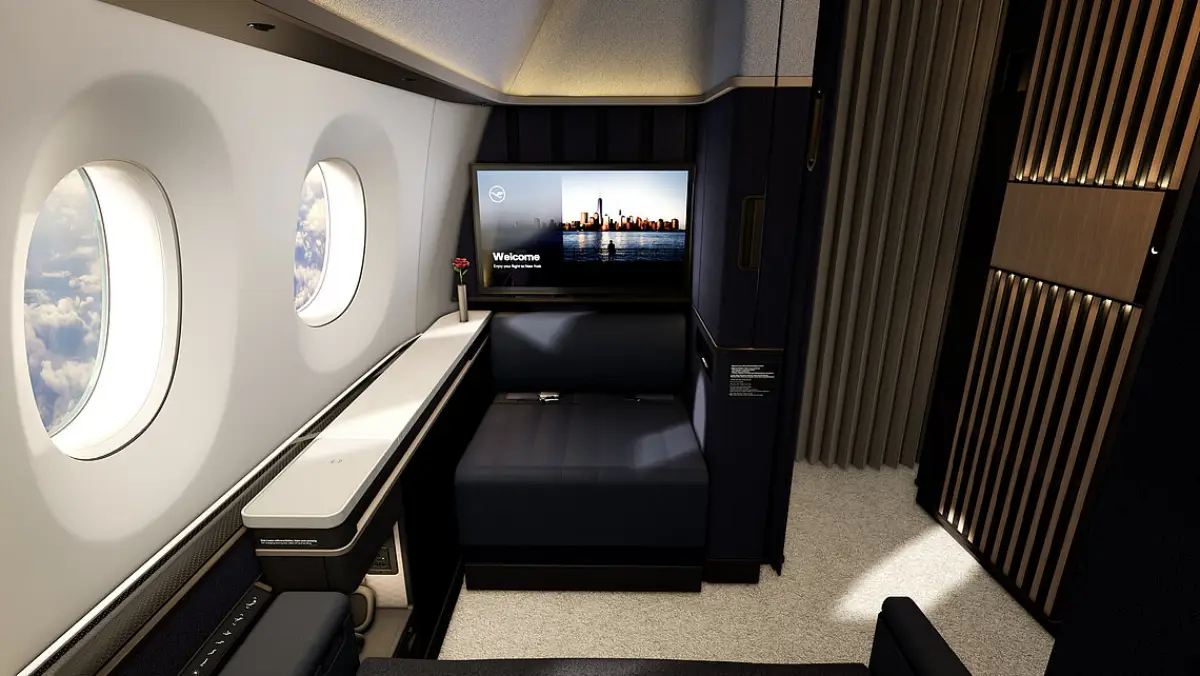
The airline noted that cabin upgrades, such as the new Allegris premium product for long-haul flights, will complement the fleet expansion and reinforce its position in the competitive European and transatlantic markets.
Financial Targets and AI Investment
Lufthansa is investing heavily in artificial intelligence tools to optimize pricing, route planning, and aircraft maintenance. Executives stated that the deployment of AI-driven systems will enable the airline to increase productivity, reduce costs, and respond more quickly to market fluctuations.
The group set a target of generating an adjusted EBIT margin of 8% to 10% by 2030, compared with 7% achieved in 2023. Free cash flow is expected to reach €2 billion annually, strengthening the company’s balance sheet and financing growth projects.
“Digitalization and AI will fundamentally change our industry. We are determined to be among the leaders in this transformation,” said Remco Steenbergen, Chief Financial Officer of Lufthansa Group.
Impact on Passengers and Travel Market
The job cuts are not expected to affect passenger services, as the group focuses reductions on support roles rather than frontline staff. Lufthansa assured that travelers will benefit from improved products and greater sustainability across its network.
The airline’s plans coincide with rising competition from low-cost carriers in Europe and strong transatlantic demand, where Lufthansa aims to maintain its market share through premium services and partnerships with United Airlines and Air Canada.
Analysts said the announcement reflects the group’s dual approach: cutting costs where possible while investing heavily in areas that drive customer loyalty and revenue growth.
Broader Industry Context
The move by Lufthansa comes as airlines worldwide face pressure from volatile fuel prices, shifting consumer expectations, and regulatory demands for sustainability. European carriers, in particular, are under pressure to reduce emissions while maintaining profitability in a competitive environment.
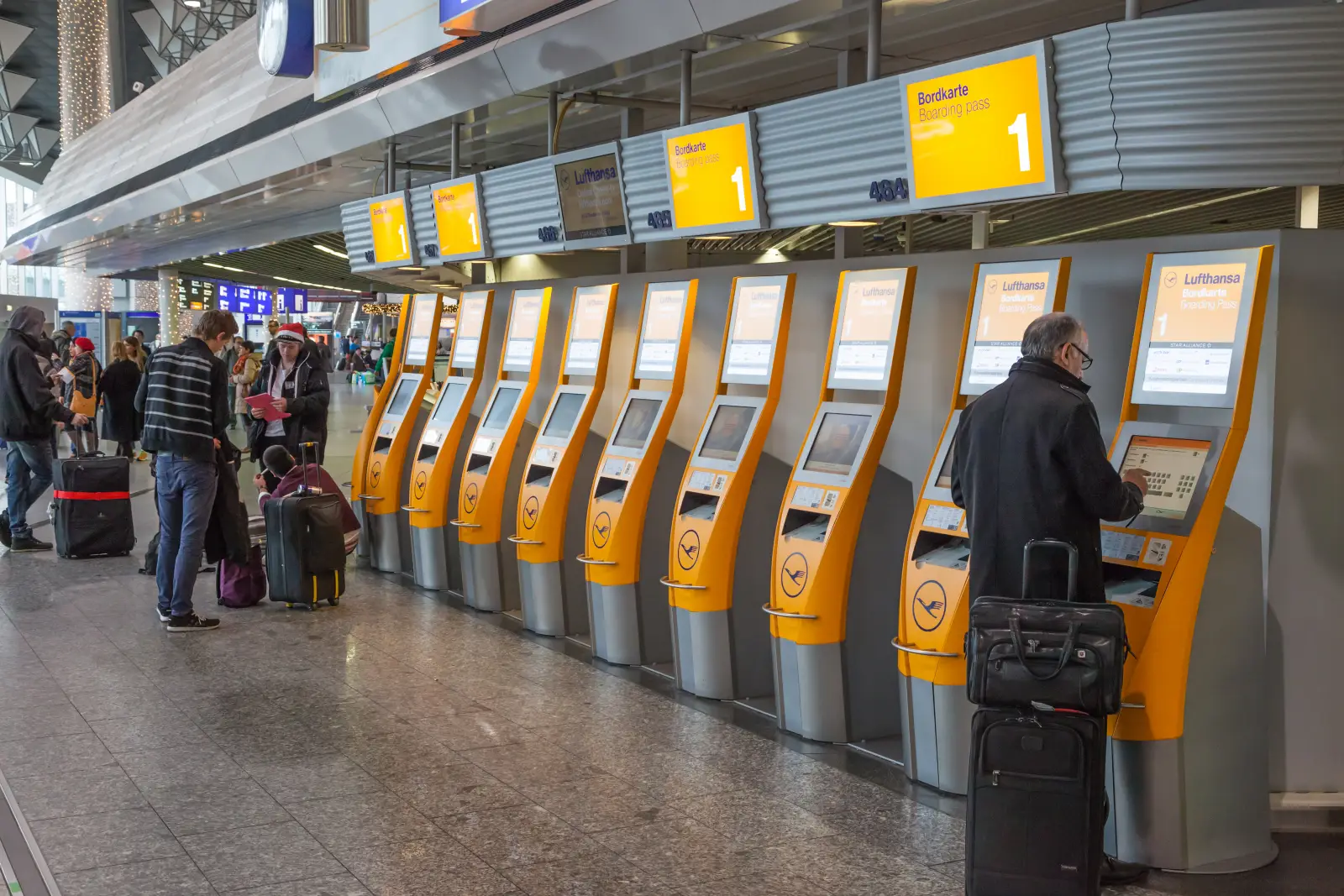
Lufthansa’s reliance on digital tools reflects a broader industry trend of incorporating AI and automation to streamline airline operations. While the job cuts may spark debate with labor unions, the group framed the measures as essential to its long-term viability.
The company is expected to provide further details on implementation timelines and affected departments in the coming months. In parallel, it will continue negotiating with employee representatives to minimize the impact of workforce adjustments.
With its job reduction plan, digital transformation agenda, and fleet expansion strategy, Lufthansa is signaling a shift toward a leaner, technology-driven future. Whether the approach delivers on its ambitious financial and sustainability goals will be closely watched by the industry in the years ahead.
Photo Credit: Philip Lange / Shutterstock.com