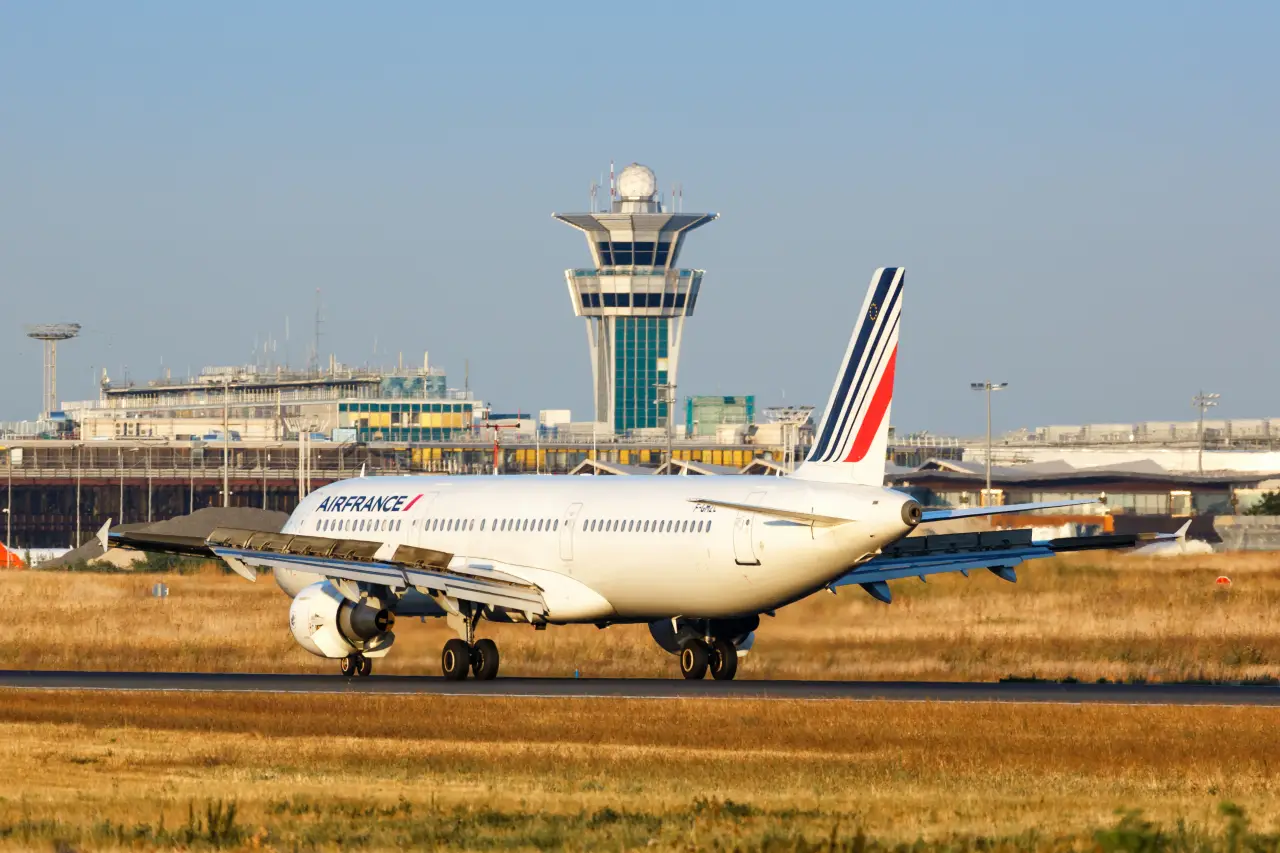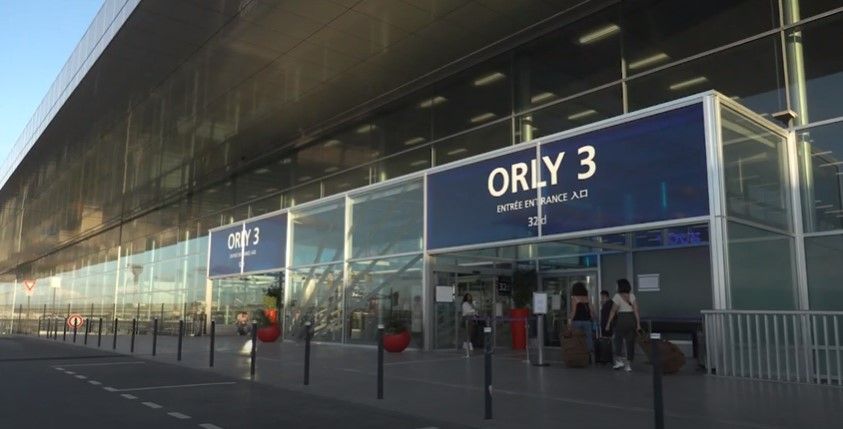
A flight from Paris-Orly to Ajaccio was delayed on 15 September after the air traffic control tower at Ajaccio Napoleon Bonaparte Airport failed to respond to radio calls.
Authorities later confirmed that the controller on duty had fallen asleep, leaving the incoming flight unable to make contact for nearly 20 minutes.
The incident forced the aircraft to circle until communication could be reestablished. The commander of the flight contacted airport firefighters, who investigated the tower and alerted the gendarmerie when no response was received. The plane landed safely after the delay, and passengers were disembarked without further incident.
How the Incident Unfolded
Regional newspaper Corse Matin reported that the flight crew attempted several times to reach Ajaccio tower as the aircraft approached Corsica. With no answer from air traffic control, the captain contacted emergency services on the ground to understand the situation. “The commander of the aircraft then contacted the airport firefighters to understand the situation. They, dispatched to the scene, found no response from the tower before alerting the gendarmerie,” a passenger told the newspaper.
Firefighters and security personnel arrived at the control tower and discovered the controller had fallen asleep while on duty. The pilot later described the experience as unprecedented. “In several decades of career, I had never had to deal with such a situation,” the commander told Corse Matin after landing.
Safety Measures and Tests
Once the incident concluded, the air traffic controller underwent standard testing for alcohol and drugs. The results were negative, according to a security source cited by franceinfo. No legal proceedings were initiated, as investigators determined there was no element of intentional misconduct.
Despite the unusual circumstances, the aircraft landed without difficulty, and safety protocols were followed to ensure the situation did not escalate. Passengers remained calm during the delay, though many expressed surprise at the rare lapse in tower communication.
Ajaccio Napoleon Bonaparte Airport is the busiest airport on the French island of Corsica, handling domestic flights to mainland France and seasonal international routes. Air traffic controllers are responsible for maintaining constant radio contact with incoming aircraft, guiding pilots through descent, approach and landing procedures. Interruptions in communication are considered highly unusual and are subject to immediate investigation.
Industry experts note that while technical failures are more commonly reported, a lapse caused by fatigue at a staffed control tower is rare. Air traffic controllers in France work under strict scheduling and rest requirements to minimize the risk of exhaustion during duty hours. The circumstances surrounding the Ajaccio case remain under internal review by aviation authorities.
The French civil aviation authority has not issued a public statement but is expected to review staffing and operational procedures at Ajaccio. Local media reported that the controller was relieved of duty immediately following the event pending administrative assessment. Aviation unions have not commented publicly, though safety and workload issues are expected to be raised in upcoming discussions.
The delay had no lasting impact on subsequent flights from Ajaccio, and operations returned to normal later in the day. Passengers on the affected Paris-Orly service arrived later than scheduled but without additional disruption. Authorities stressed that passenger safety was never compromised despite the unusual cause of the delay.
The case has drawn attention due to its rarity and the fact that it occurred in daylight hours at one of Corsica’s key airports. The involvement of emergency services and the gendarmerie underscored the seriousness with which aviation authorities treat unresponsive control towers, even in isolated incidents. While the investigation continues, the event has highlighted the essential role of air traffic controllers and the importance of vigilance in maintaining safe skies.