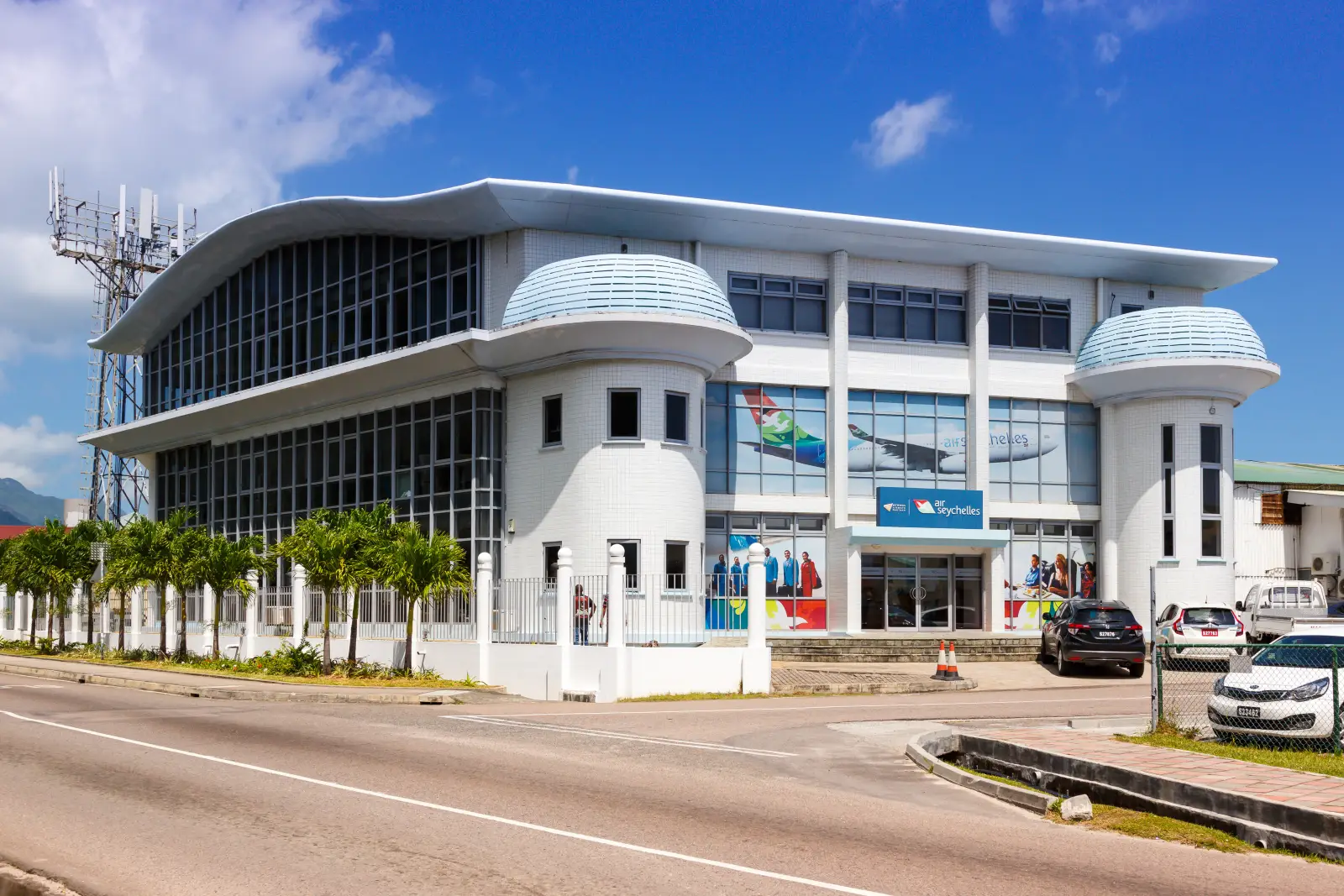
On 31st July 2025, Seychelles International Airport found itself at the center of a national and political storm.
President Wavel Ramkalawan made an unscheduled visit to the facility, presenting the trip as a “technical site inspection” to discuss the Airport Redevelopment Project. However, the visit quickly evolved into a high-profile rebuttal of growing public concerns about the future of the nation’s main gateway to the world.
The President’s remarks triggered a strong response from former Minister for Tourism and Culture, Alain St.Ange, who rejected any implication that his past involvement with foreign partners signaled a plan to sell the airport. His statement has amplified the ongoing public conversation about transparency, foreign investment, and the strategic importance of the airport to Seychelles’ economy.
The Airport at the Heart of Seychelles Tourism
Seychelles International Airport is more than just an entry point for international travelers—it is the lifeline of the nation’s tourism-driven economy. Every visitor, from luxury tourists to regional business travelers, passes through this critical hub. Redevelopment plans for the airport have therefore drawn intense scrutiny, as any changes could impact passenger experience, airline partnerships, and the national brand as a top-tier destination.
According to information shared during the President’s visit, the current redevelopment discussions involve the Abu Dhabi Airports Company (ADAC), with a project that has reportedly advanced from a revised master plan to financial structuring. This stage of negotiations fuels questions about the scale of investment and the level of control foreign entities might exert over local operations.
St.Ange Rejects Sale Allegations
During the impromptu press conference, President Ramkalawan addressed circulating rumors suggesting that previous government engagements with ADAC were linked to a potential sale of the airport. He referenced the tenure of Alain St.Ange, noting that foreign media had once interpreted his involvement as a signal of possible privatization.
In his response, St.Ange firmly denied these implications. He emphasized that his role as Minister for Tourism and Culture was to protect tourism interests and ensure that any airport project supported the backbone of the nation’s economy. He underlined that successful infrastructure development relies not only on physical upgrades but also on the welfare and motivation of airport staff, whose dedication ensures operational success.
“At no point was I involved in any negotiation to sell Seychelles International Airport,” St.Ange asserted. He questioned the political motive behind the President’s comments and urged the public to consider the timing of the statement, particularly with national elections on the horizon.
Unanswered Questions About the ADAC Deal
While the President has publicly denied any intention to sell the airport, the debate has shifted toward the substance of the deal with ADAC. Citizens and industry observers alike are asking critical questions:
- What is the actual level of funding involved?
- What conditions or guarantees are being offered to ADAC?
- Will there be any operational or commercial control ceded to the foreign partner?
- How long will Seychelles be financially committed to this agreement?
- What collateral or national assets might be indirectly tied to the project?
The President briefly mentioned a figure of SCR 100 million during his visit, yet no formal disclosure has been made about the overall financial framework. Skepticism remains high, with predictions that any significant announcements could be delayed until after the September 2025 elections.
Lessons from Past Partnerships
The debate has also drawn comparisons to previous international partnerships in Seychelles’ aviation sector. When Etihad Airways partnered with Air Seychelles, the public was reassured that no jobs would be lost. However, many employees later faced layoffs, leaving some skeptical of similar promises today.
Foreign direct investment often comes with stringent requirements designed to secure investor returns. These can include cost-control measures, operational oversight, and adjustments to staffing levels. Although President Ramkalawan has publicly stated that no jobs will be lost in the current airport redevelopment plan, the public’s memory of prior experiences tempers confidence.
Airport Visits and Political Timing
President Ramkalawan’s visit on 31st July marks his third trip to the airport since taking office. Previous visits included a March 2025 “security inspection” and a July 25th 2025 meeting with taxi operators following parking access disputes. The frequency of these visits has fueled speculation that the administration is using the airport as a political stage ahead of the elections.
According to St.Ange, the most recent press conference felt more like a carefully orchestrated public relations exercise than a genuine effort at transparency. Staff from the Seychelles Civil Aviation Authority and the Airport Authority were present but were not invited to speak, leaving the public to rely solely on the President’s narrative.
Public Sentiment and Electoral Stakes
The airport controversy has become a microcosm of broader political dynamics in Seychelles. In 2020, voters embraced change, with high expectations that the new administration would deliver accountability and reform. Five years later, public concerns have shifted toward issues of transparency, strategic planning, and the handling of foreign investments.
The upcoming elections in September 2025 will test whether the government’s messaging resonates with the public or if voters view the current airport debate as a symbol of political deflection. The final judgment, as St.Ange noted, lies in the hands of the Seychellois people.
Key Points for Travelers and Industry Observers
For the global travel industry, the unfolding developments at Seychelles International Airport are significant for several reasons:
- Future upgrades could affect flight schedules, terminal facilities, and overall passenger experience.
- Potential shifts in operational control may influence airline partnerships and route development.
- Delays or uncertainties in the project could impact the tourism sector during a critical post-pandemic recovery phase.
With Seychelles relying heavily on tourism, any political turbulence surrounding its primary international gateway is of keen interest to airlines, travel operators, and investors monitoring the region.
As the election season intensifies, travelers and industry stakeholders will be watching for official clarifications, financial disclosures, and any visible steps toward the airport’s long-promised redevelopment. Whether this political firestorm ultimately leads to progress or more uncertainty remains to be seen.
Photo credit: Markus Mainka / Shutterstock.com