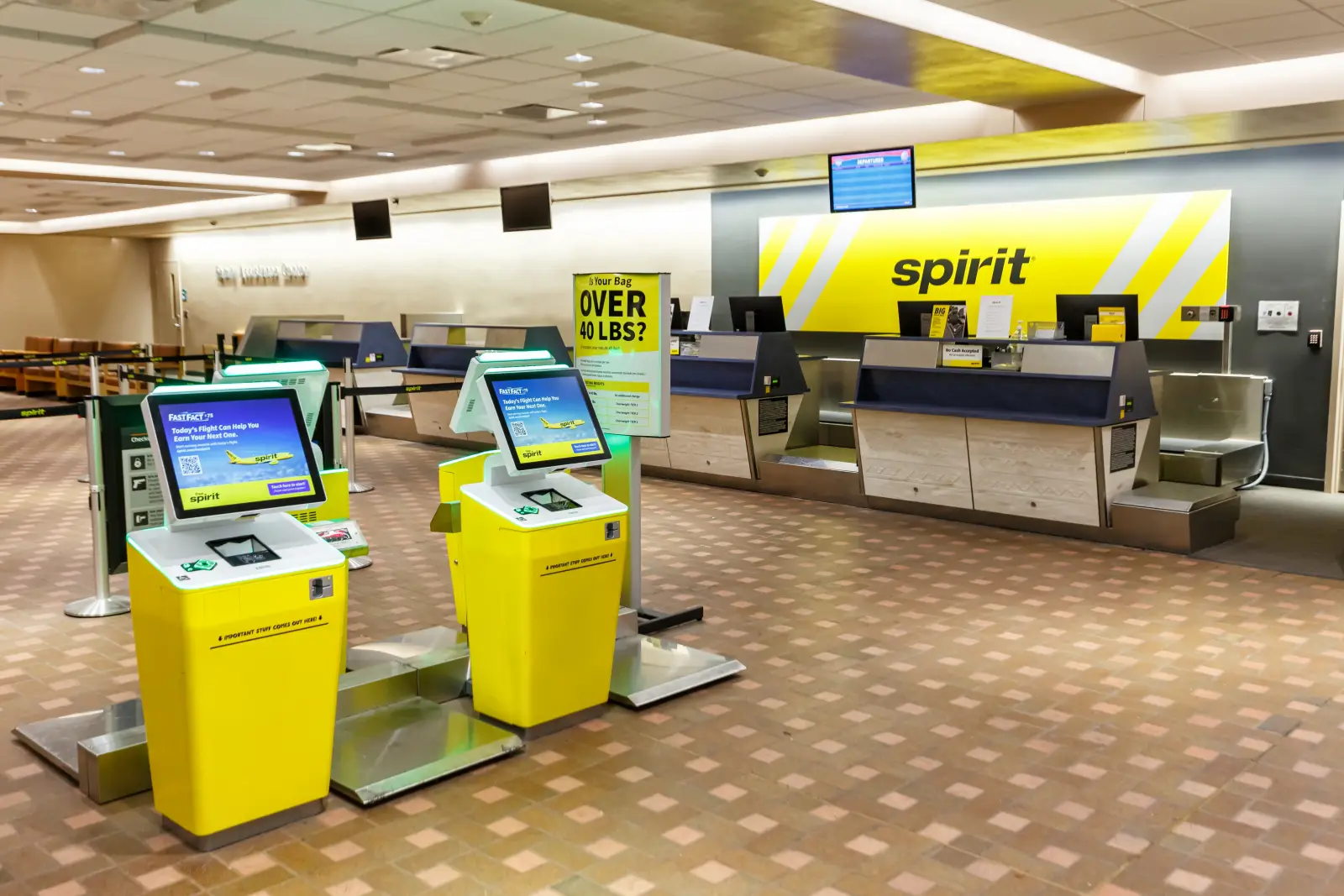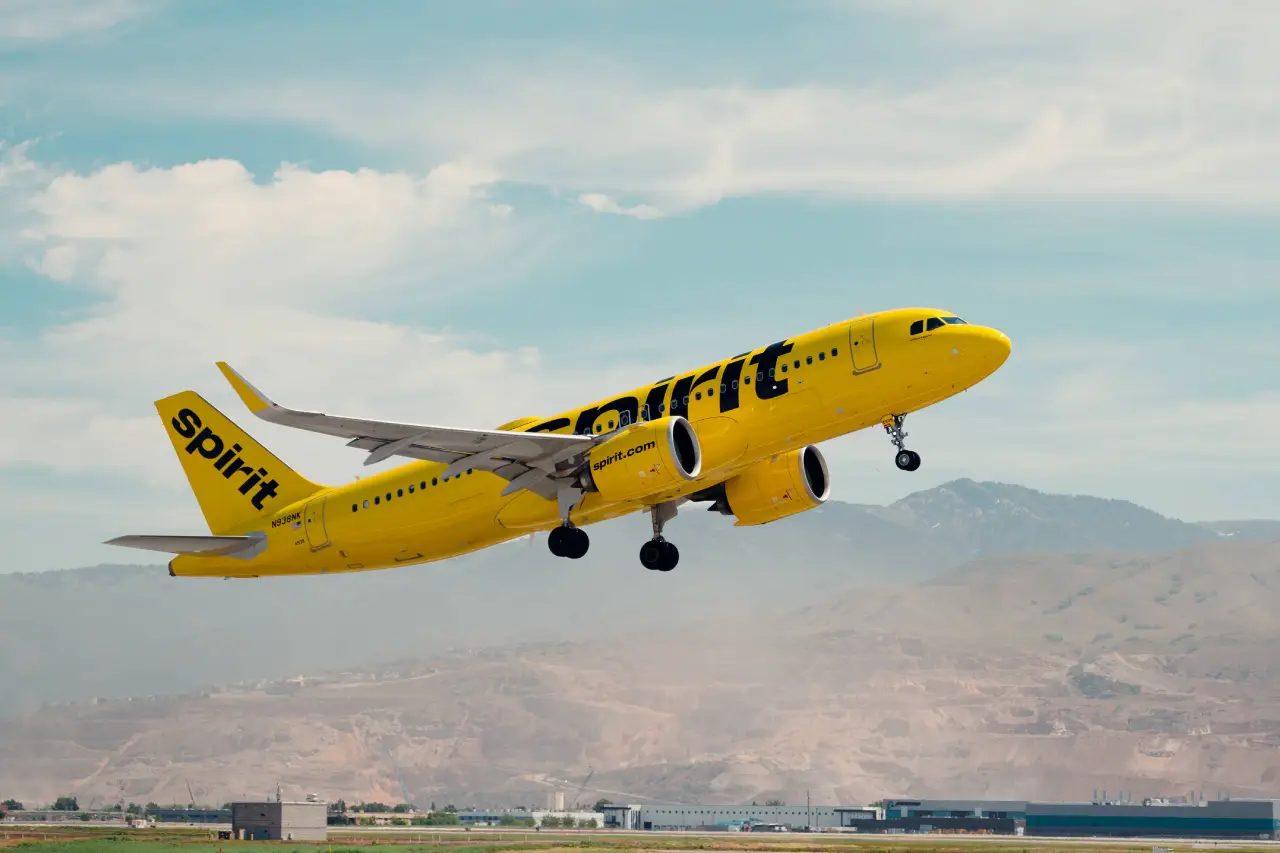
Spirit Airlines has filed for Chapter 11 bankruptcy protection for the second time in less than a year, highlighting the ongoing challenges faced by the low-cost carrier.
The airline announced the move on August 29, citing financial pressures from weakened domestic demand, aggressive past expansion and heightened competition in key markets.
The filing comes after a turbulent year in which Spirit cut network capacity, restructured operations and attempted to stabilize its finances under an earlier bankruptcy process. Despite those measures, a combination of slowing leisure travel demand and overextension in recent years has left the airline unable to recover.
Expansion leaves airline exposed
Spirit’s rapid growth has been central to its current difficulties. Between 2000 and 2014 the carrier’s average annual growth rate was 11%, which surged to 18% between 2014 and 2019. Following the pandemic, Spirit pursued aggressive expansion, increasing capacity by 20% against 2019 levels by 2024. The airline added a third more seats in just two years, banking on post-pandemic “revenge travel” that has since faded.
With more than 85% of its capacity focused on the U.S. domestic market, Spirit has been particularly exposed to a slowdown in leisure travel. The carrier’s reliance on East Coast and Florida routes, once its foundation, also weakened its position as competition intensified from JetBlue and Southwest. By 2016, Spirit’s share of key Florida–New York routes had fallen sharply before partially recovering later in the decade.
Fragmented network strategy
Spirit’s push for network breadth over depth has also undermined efficiency. By 2024, the airline served 430 airport pairs compared with just 61 in 2010. However, more than half of its routes operated less than daily, limiting schedule competitiveness and leaving the carrier vulnerable to rivals with higher frequency services. Nearly 75% of markets handled fewer than 150,000 seats annually, creating a fragmented operation for a low-cost model built on scale.
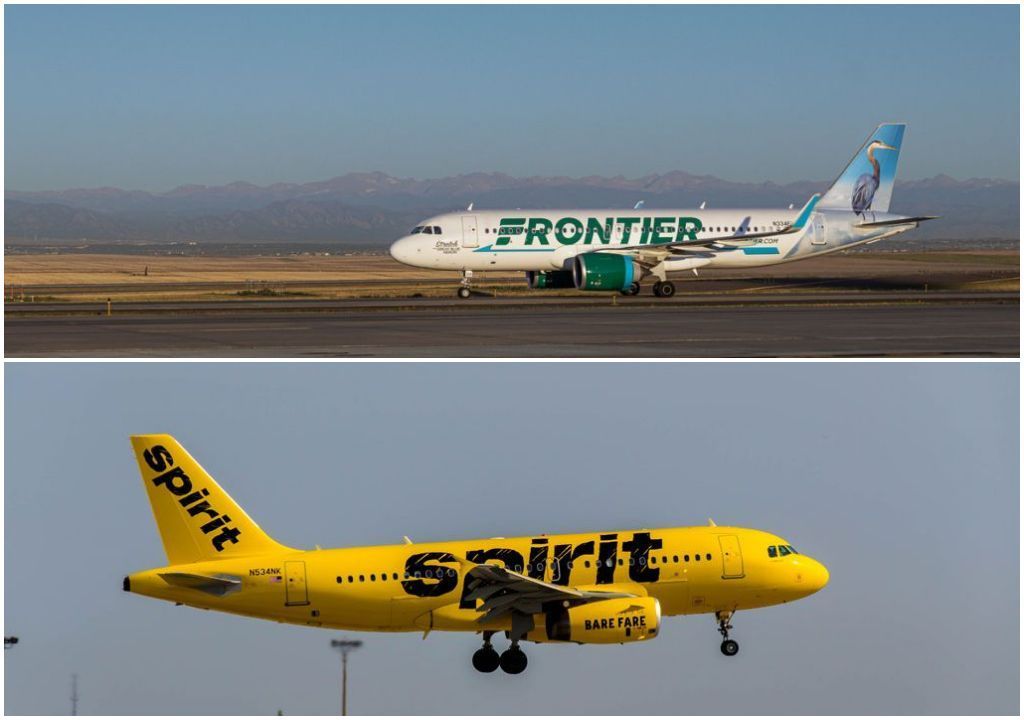
The airline currently operates from 14 airports with more than 1 million seats each year, compared with Frontier Airlines’ 9 bases with similar total capacity. The overlap in Orlando and Las Vegas intensified competition, with Spirit adding 150% more capacity in Las Vegas between 2020 and 2023 before scaling back in 2025. With visitor numbers to Las Vegas down 7% year-on-year in mid-2025, Spirit’s exposure in that market has become a liability.
Market slowdown and competitive pressures
The broader U.S. airline market is also weighing on Spirit. Domestic leisure demand has softened while carriers such as Frontier expand aggressively, with Frontier due to add 32 aircraft in 2026 compared with Spirit’s three. The imbalance leaves Spirit under further pressure as low-cost rivals compete for a shrinking pool of price-sensitive passengers.
Industry analysts note that Spirit’s first Chapter 11 restructuring failed to adequately resolve underlying strategic challenges. The second bankruptcy protection process will force the airline to reassess its network structure, capacity strategy and market focus, all while maintaining current revenues in a difficult environment.
Uncertain outlook
Spirit’s renewed filing raises questions about its long-term viability in the U.S. aviation sector. The airline, once a fast-growing disruptor, now faces doubts over whether it can adapt to a more competitive and demand-constrained market. Observers caution that without a compelling strategy and a turnaround in economic indicators, the carrier risks a further decline.
The development adds uncertainty for employees, investors and travelers alike, as Spirit attempts to restructure again under Chapter 11. While no airline failure is welcomed, the potential consolidation of capacity could reshape competition among U.S. domestic carriers in the years ahead.