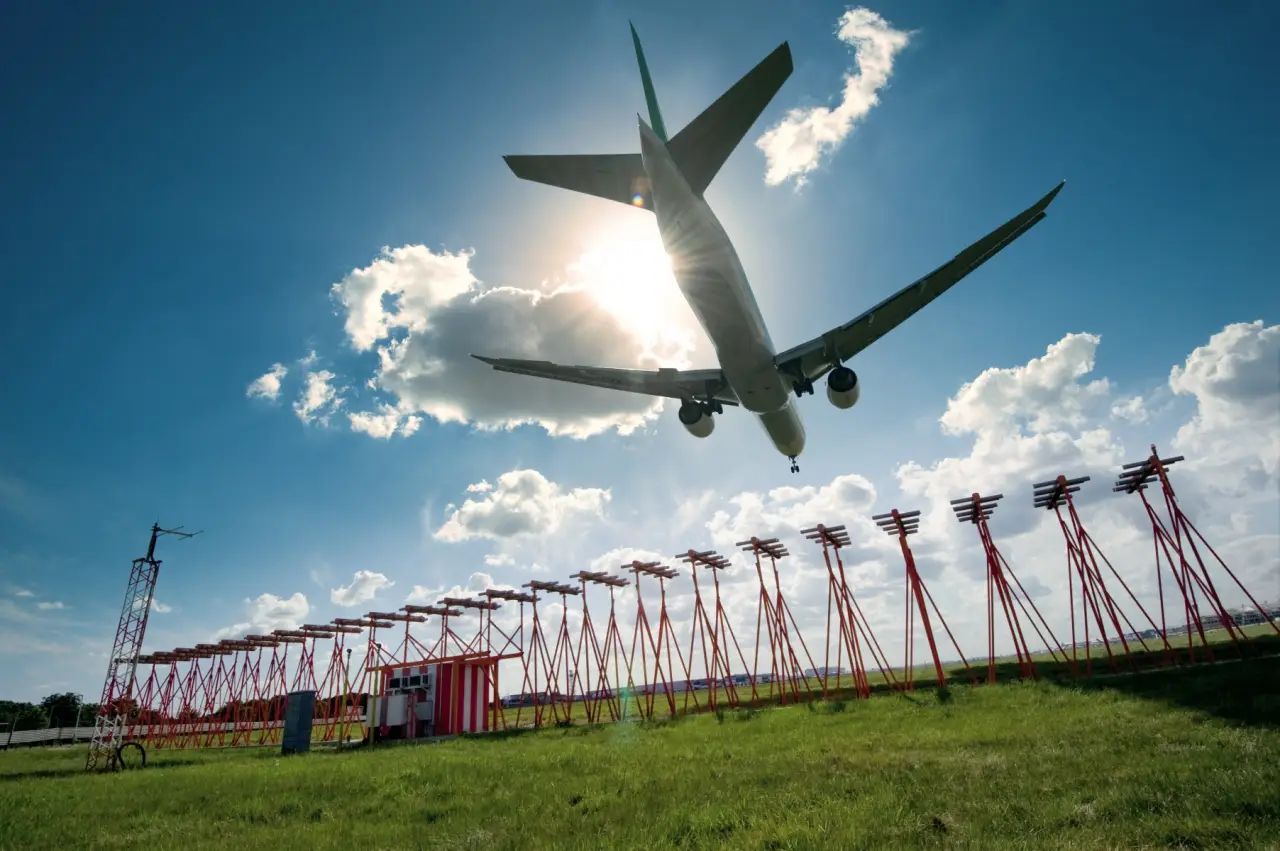
The UK government has approved the construction of a second runway at London Gatwick and a third at Heathrow, a move that could add hundreds of thousands of flights each year and trigger new debate over the country’s climate commitments. The decision follows months of consultation and comes despite warnings from MPs that the expansion risks undermining the government’s own net zero targets.
According to the Environmental Audit Committee, the government has “not demonstrated” that the economic benefits of the new runways will outweigh their environmental costs. The committee’s report said that only a rapid shift toward low-carbon aviation could prevent airport growth from clashing with the UK’s legally binding climate goals.
Environmental Audit Committee Raises Red Flags
The cross-party committee’s findings, published this week, conclude that major airport expansion could jeopardize the UK’s target of achieving net zero emissions by 2050. The report argues that allowing Gatwick’s second runway and Heathrow’s third could result in an increase of more than 370,000 flights a year—100,000 from Gatwick and 276,000 from Heathrow—with further additions possible from Luton.
“The only prospect of meeting net zero would be if airport expansion was accompanied by a serious strategic approach to increasing the pace of decarbonising aviation,” the committee stated. Its chair, Toby Perkin, said the technological solutions required—such as sustainable aviation fuels—“were not yet being used on a commercial scale.”
The committee also noted that while the plans could bring some economic growth, the government had not provided sufficient evidence to prove that these benefits would outweigh the environmental impact. The report questioned the assumption that more air traffic automatically translates to greater national prosperity.
Government Defends Climate Compliance
Transport Secretary Heidi Alexander told Parliament that Heathrow’s expansion plans “must align with our legal, environmental and climate commitments.” The Department for Transport echoed that stance, saying in a statement: “We have been clear that airport expansion will only go ahead if it aligns with our legal obligations on climate change, including net zero.”
Ministers are expected to announce within weeks which of two competing proposals for Heathrow’s expansion will move forward. The government has also confirmed that advice will be sought from the independent Climate Change Committee to inform its review of the Airports National Policy Statement, which governs aviation growth strategy.
Environmental experts have cast doubt on whether the government can reconcile the push for economic growth with its climate obligations. Dr Alex Chapman, a senior researcher at the New Economics Foundation, described the findings as a “damning assessment of this government’s airport expansion agenda.” He said, “This government is unable to produce evidence that supports their central claim: that growing our airports will grow our economy.”
Chapman added that “demand for business air travel is collapsing and we’re flying ever more tourists to spend money outside the country than we are flying in.” His comments underline the growing concern among economists that expanding air capacity may not deliver the economic returns once expected in a post-pandemic, climate-conscious market.
The UK remains bound by international agreements to limit global warming to below 1.5°C. Scientists warn that exceeding that threshold could bring more severe heatwaves, sea-level rise, and agricultural disruption worldwide. For now, the future of Britain’s airport expansion will hinge on whether its ambition to remain a global aviation hub can coexist with its pledge to achieve net zero.