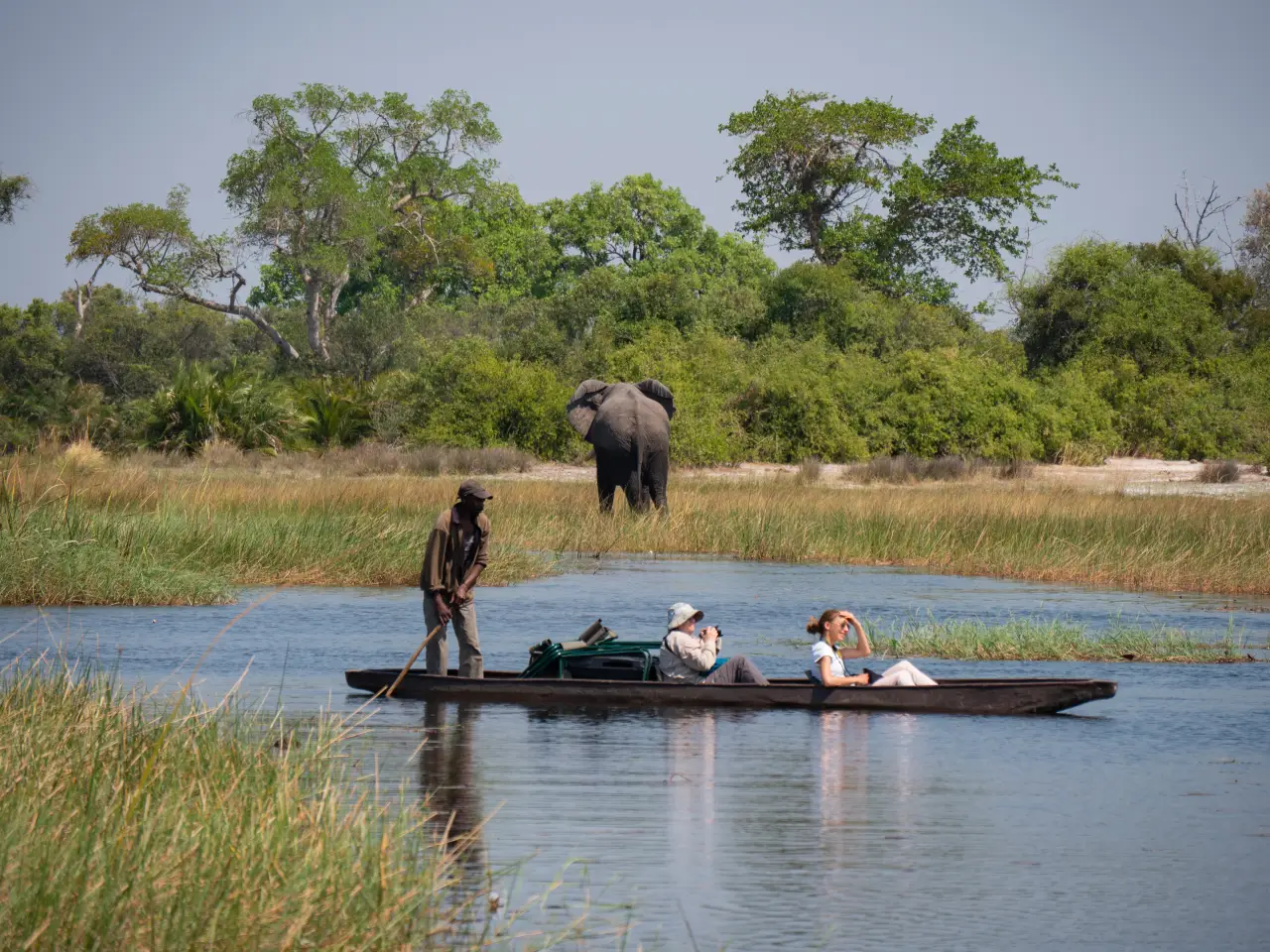
The Okavango Delta in Botswana is a destination of dramatic transformation, a sprawling inland delta that pulses with life according to a unique seasonal rhythm.
Unlike other river systems, its waters, originating in the Angolan highlands, spill into the vast Kalahari Desert, creating a mosaic of channels, lagoons, and islands that constantly shifts. This annual flood arrives during Botswana’s dry season, a paradox that defines one of Africa’s most extraordinary ecosystems and makes timing a crucial element of planning a luxury safari.
Understanding when and how to visit is key to unlocking the specific experiences you desire, from high-density big game viewing to vibrant birdwatching in lush landscapes. Partnering with an expert ensures your itinerary aligns perfectly with the Delta’s natural calendar. At SAFARI FRANK, we specialize in crafting bespoke journeys that position you in the right place at the right time for an unparalleled adventure.
The Dry Season: Peak Wildlife Viewing (May – October)
The dry season is widely regarded as the best time for a classic wildlife safari in the Okavango Delta. From May to October, local rainfall is scarce, and the landscape away from the Delta becomes parched. This coincides with the arrival of floodwaters from Angola, which typically peak between June and August. This influx of water transforms the Delta into a life-giving oasis, attracting enormous concentrations of wildlife from the arid hinterland.
As the season progresses, vegetation thins, making animals easier to spot as they gather around the remaining water sources. This period offers some of the most spectacular game viewing in Africa, with large herds of elephants and buffalo, and heightened activity from predators like lions, leopards, and African wild dogs. The clear skies, low humidity, and minimal mosquito activity also contribute to comfortable conditions for safari activities.
Frank Steenhuisen, Co-founder and lead safari expert at SAFARI FRANK, notes that the Delta’s character changes dramatically with the water levels. “One month you can be on a game drive across a floodplain, and a few months later, you could be exploring that same area in a mokoro. This transformation is what makes timing your visit so important.”
- Activities: This is the prime time for water-based activities like mokoro (dugout canoe) excursions and motorboat safaris, alongside traditional 4×4 game drives and guided walks on the islands.
- Wildlife: Expect exceptional sightings of the Big Five, although rhinos are less common. It is a fantastic time to see large herds and the predators that follow them.
- Accommodation Highlight: For an immersive dry season experience, top-tier lodges like Duba Plains Camp offer an ideal base. Located deep within a private concession, it provides exclusive access to the floodplains and remarkable wildlife action.
The Green Season: A Lush Paradise (November – April)
Often called the “Emerald Season,” the period from November to April offers a completely different, yet equally captivating, perspective of the Delta. The arrival of summer rains, typically as afternoon thunderstorms, breathes new life into the landscape, transforming it into a vibrant, green paradise. This is the birthing season for many antelope species, which means predator action can be frequent and dramatic as they hunt vulnerable young.
While some wildlife disperses due to the abundance of water across the region, the Green Season is a dream for birdwatchers, as migratory species arrive in vast numbers, filling the air with color and song. It is also a favored time for photographers, who are drawn to the dramatic skies, lush scenery, and beautiful light. With fewer tourists, this season provides a more intimate and exclusive-feeling safari.
- Activities: Land-based game drives are the primary activity, as lower water levels in some areas may limit mokoro trips. Walking safaris can be particularly rewarding, revealing the smaller details of the ecosystem.
- Wildlife: This is the best time for birding and to witness the spectacle of newborn animals. Many animals remain in the permanent water areas of the Delta.
- Accommodation Highlight: Camps like Gomoti Plains Camp are perfectly positioned to offer superb Green Season viewing, blending chic comfort with access to diverse habitats where wildlife remains active.
Planning Your Okavango Delta Safari
Every season in the Okavango Delta offers a unique set of experiences. The shoulder months of April, May, and November can provide a wonderful balance of both seasons, often with pleasant weather and fewer visitors. Whether you envision gliding silently through crystal-clear channels or capturing the drama of a thunderstorm over lush plains, the key is careful planning.
SAFARI FRANK offers itineraries designed to maximize your experience, no matter the season. A journey like the Breathtaking Botswana Luxury Safari can be tailored to focus on the specific highlights of the dry or green season, combining stays at exclusive properties like Macatoo Camp for incredible riding safaris or Footsteps Camp for authentic walking adventures. By understanding the intricate rhythm of the floods and rains, we ensure your luxury safari is nothing short of extraordinary.
Ultimately, the best time to visit depends on your personal interests. For those seeking dense wildlife concentrations and classic water activities, the dry months are ideal. For photographers, birders, and travelers looking for vibrant landscapes and new life, the Green Season holds a special magic. Whichever you choose, the Okavango Delta delivers an unforgettable encounter with one of the planet’s last great wildernesses.
About Frank Steenhuisen
Frank is the lead safari expert at luxury safari providers SAFARI FRANK, helping travelers experience Africa’s wildlife safely and sustainably.
Photo Credit: Hyserb / Shutterstock.com