Airbnb is strengthening its push into nature tourism by entering a Premium Partnership with ITB Berlin 2026, aiming to promote rural stays and support sustainable travel growth across Europe. The collaboration brings Airbnb co-founder and Chief Strategy Officer Nathan Blecharczyk to the ITB Berlin Convention, where he will speak on 3 March about the role of nature tourism in the future of travel.
The partnership highlights how tourism flow management can reduce pressure on crowded destinations while redistributing visitor spending to rural regions. ITB Berlin 2026 runs from 3 to 5 March at the Berlin Exhibition Grounds, marking the first time the world’s leading travel trade show has formed a Premium Partnership with a home-sharing platform.
Nature tourism moves into the spotlight
Organisers say the partnership reflects growing European interest in travel that prioritises landscapes, local communities and lower-impact experiences. At the convention, Blecharczyk will outline Airbnb’s commitment to expanding rural tourism and encouraging travellers to look beyond traditional hotspots.
“On our sixtieth anniversary we are delighted to welcome Airbnb as the Premium Partner of ITB Berlin 2026,” said Deborah Rothe, Director of ITB Berlin. “ITB Berlin reflects the diversity of international tourism and provides a central platform for global thought leaders at the ITB Berlin Convention. Together with Airbnb, we want to actively shape this dialogue and continue to advance sustainable, responsible travel in the future.”
Blecharczyk will appear on the Orange Stage at 2 PM on 3 March, discussing how rural tourism and nature travel represent a long-term shift in European travel behaviour, with Germany positioned as a leading market. Airbnb will also feature nature travel prominently at its booth in Hall 9, Booth 319, alongside conference contributions from Kathrin Anselm, Country Manager Central and Eastern Europe, and Ellen Madeker, Head of Public Policy Central and Eastern Europe.
“Airbnb has long been a catalyst for helping travelers discover places outside of typical tourist hot spots. With more Germans traveling to explore the country’s beautiful natural features, Airbnb is proud that we can help visitors discover new communities and redistribute visitor spending to businesses and hosts throughout Germany. We look forward to sharing how nature tourism will play a key role in the future of travel at ITB Berlin,” said Nathan Blecharczyk, Co-Founder and Chief Strategy Officer of Airbnb.
Beyond the convention floor, the partners plan joint communication activities focused on sustainable tourism, responsibility in travel and long-term destination management. Organisers say the initiative aims to demonstrate how targeted visitor distribution can support environmental protection while strengthening regional economies.
From city breaks to countryside stays
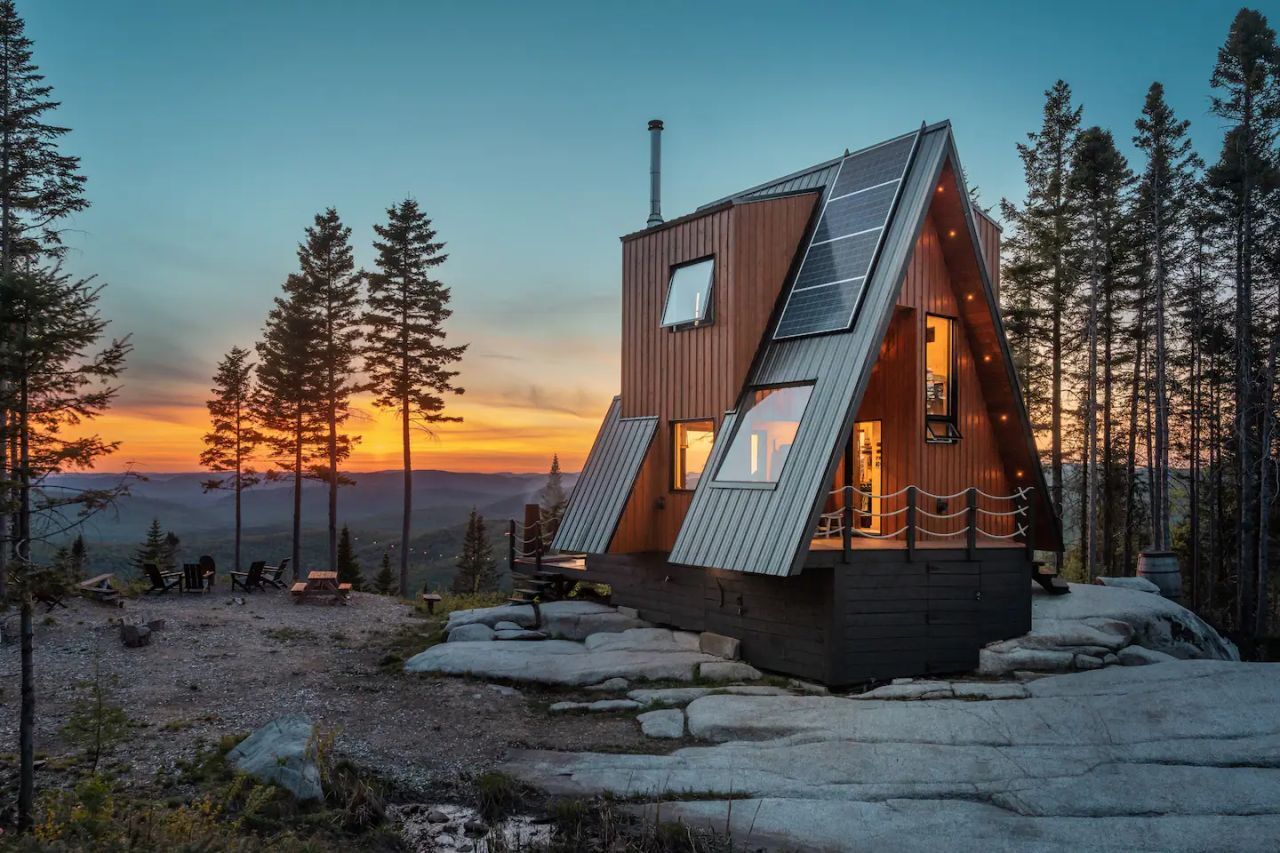
Germany has become a testing ground for the shift toward nature-based travel, with more guests choosing rural areas near mountains, forests and coastlines over urban centres. The trend is driven largely by Gen Z travellers seeking affordable, authentic experiences and time away from digital overload.
Across Europe, nights spent in rural Airbnb accommodations increased 88 percent between 2019 and 2024, reflecting a broader move toward quieter destinations and longer stays. Industry analysts see this as a response to overtourism challenges in popular cities, where infrastructure pressure, housing availability and community concerns have intensified.
For many rural areas, limited hotel infrastructure has made short-term rentals the primary way for visitors to stay overnight. Airbnb positions itself as a platform that can unlock underutilised housing stock, allowing families to travel into less developed regions while providing hosts with supplementary income.
The company’s host community now exceeds 5 million hosts worldwide, offering what it describes as a flexible and accessible revenue stream. In Germany, 30 percent of hosts say they rent out their home to fund renovations, highlighting the role tourism income can play in maintaining local housing stock and supporting small-scale investment.
Travel industry leaders increasingly view nature tourism as a way to balance economic opportunity with environmental responsibility. By encouraging travellers to explore secondary destinations, the sector hopes to reduce congestion in iconic cities while spreading benefits more evenly across regions.
At ITB Berlin, the focus will remain on how data-driven tourism flow management, improved regional infrastructure and responsible visitor behaviour can shape a more resilient travel economy. Organisers say the partnership with Airbnb reflects a wider shift in how travel brands position sustainability — not as a niche segment, but as a core business strategy.
As travel demand continues to rebound across Europe, the conversation in Berlin is expected to centre on whether rural tourism can scale without losing the qualities that make it attractive: open landscapes, quiet communities and genuine local connections. For travellers seeking space, nature and slower journeys, the countryside may increasingly become the continent’s most valuable destination.