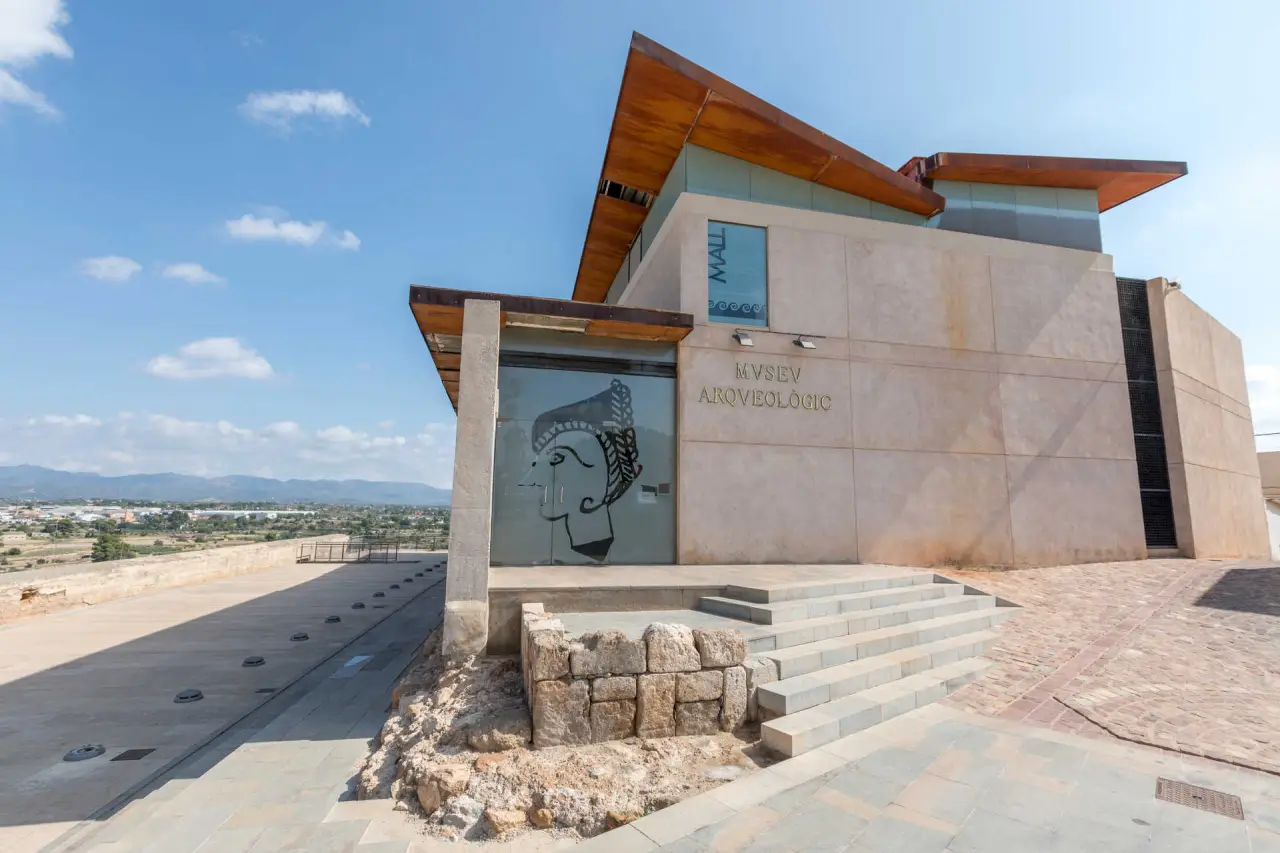
The Archaeological Museum of Llíria (MALL) reopened on September 24 after completing roof and glass repairs and launching a renewed exhibition program designed to align with current museographic trends.
The works addressed safety issues caused by cracked skylight panels and aging wooden ceilings, while introducing new spaces and updated displays for visitors.
The reopening event gathered local officials including Mayor Paco Gorrea, Councillor for Historical Heritage Reme Tordera, members of the municipal corporation, and Francisco Teruel, provincial deputy for culture. Authorities emphasized the museum’s role as a cultural hub for Llíria, highlighting how the renovation expands its educational and exhibition capacities.
Renovations and Safety Improvements
The structural works focused on replacing the large glass panels in the central courtyard, which previously posed a risk to both staff and visitors due to cracks, and on repairing the deteriorated wooden roof. The upgrades ensure safety and restore the architectural integrity of the museum, which serves as a key venue for showcasing the archaeological heritage of Llíria.
Alongside the construction work, the museum implemented partial renovations of its display cases to improve the visibility of artifacts and enhance their preservation. These updates reflect a broader modernization effort that also includes expanded interpretive signage, particularly in the epigraphic corridor, where explanatory panels have been reinforced to guide visitors through inscriptions and historical texts.
New Exhibition Spaces
The reopening introduces a new temporary exhibition hall called “La Canviant,” designed to host rotating monographic exhibitions every three months. The first exhibition focuses on decorated marble pieces from the Roman era, offering visitors insights into local archaeological finds rarely displayed before. This approach aims to maintain dynamic programming and encourage repeat visits throughout the year.
“It is planned that every three months there will be a monographic exhibition of different themes with the archaeological pieces deposited in the museum’s collection,” said Reme Tordera, Councillor for Historical Heritage. She added that this cycle of temporary displays allows the institution to showcase a broader range of its holdings beyond the permanent exhibition.
Additional thematic elements have been introduced in the revamped museography, including displays on food and drink in Roman times, ancient games, and the role of money. A specially designed tavern-themed installation presents daily life aspects of antiquity, making the visitor experience more accessible while emphasizing cultural practices from different historical periods.
Educational and Outreach Initiatives
The museum is also expanding its outreach to schools with the launch of “El MALL arriba al teu col·legi” (“The MALL goes to your school”). This program will deliver lectures and educational workshops in a newly equipped space, aiming to strengthen engagement with local students and promote early appreciation for heritage.
According to Tordera, a new collectible series is in preparation to highlight the museum’s most notable pieces. This initiative is intended to complement in-person visits and extend the museum’s visibility beyond its physical space, offering residents and tourists a way to connect with Llíria’s past through curated selections of key objects.
Cultural Significance
Mayor Paco Gorrea stressed the importance of the reopening for Llíria’s cultural profile, describing the museum as a chronological journey through the town’s rich history. “The reopening of the Archaeological Museum contributes to continuing to value and disseminate the rich heritage of our city, since its visit represents a chronological journey through the history of Llíria, as it collects very interesting pieces from the Iberian, Roman and medieval eras,” Gorrea said.
The museum’s collections provide a comprehensive view of Llíria’s role in Mediterranean history, with artifacts ranging from Iberian settlements to Roman urban development and medieval influences. By combining conservation, research, and education, MALL strengthens its position as a regional reference point for archaeological study and cultural tourism.
The reopening is expected to increase visitor numbers, with the combination of upgraded facilities, rotating exhibitions, and targeted educational initiatives offering diverse points of entry for different audiences. The local government and provincial cultural department emphasized that the investment aims not only to safeguard heritage but also to reinforce the museum’s role in tourism development for the Valencia region.
The Archaeological Museum of Llíria is located in the historic center of the city, which itself is recognized for its Roman legacy, including baths, mosaics, and urban structures. The modernization of MALL complements broader efforts to position Llíria as a destination for cultural and historical tourism in Spain.
The institution’s relaunch underlines how municipal and provincial authorities are leveraging cultural heritage to enrich local identity and attract visitors. With safety works completed and a strategy in place for dynamic exhibitions and educational programming, MALL reopens as a revitalized space bridging past and present for both residents and international travelers.