Each March, Fallas transforms Valencia into one of Europe’s largest festivals, drawing hundreds of thousands of visitors with its giant satirical sculptures, daily fireworks, parades, and all-night street celebrations.
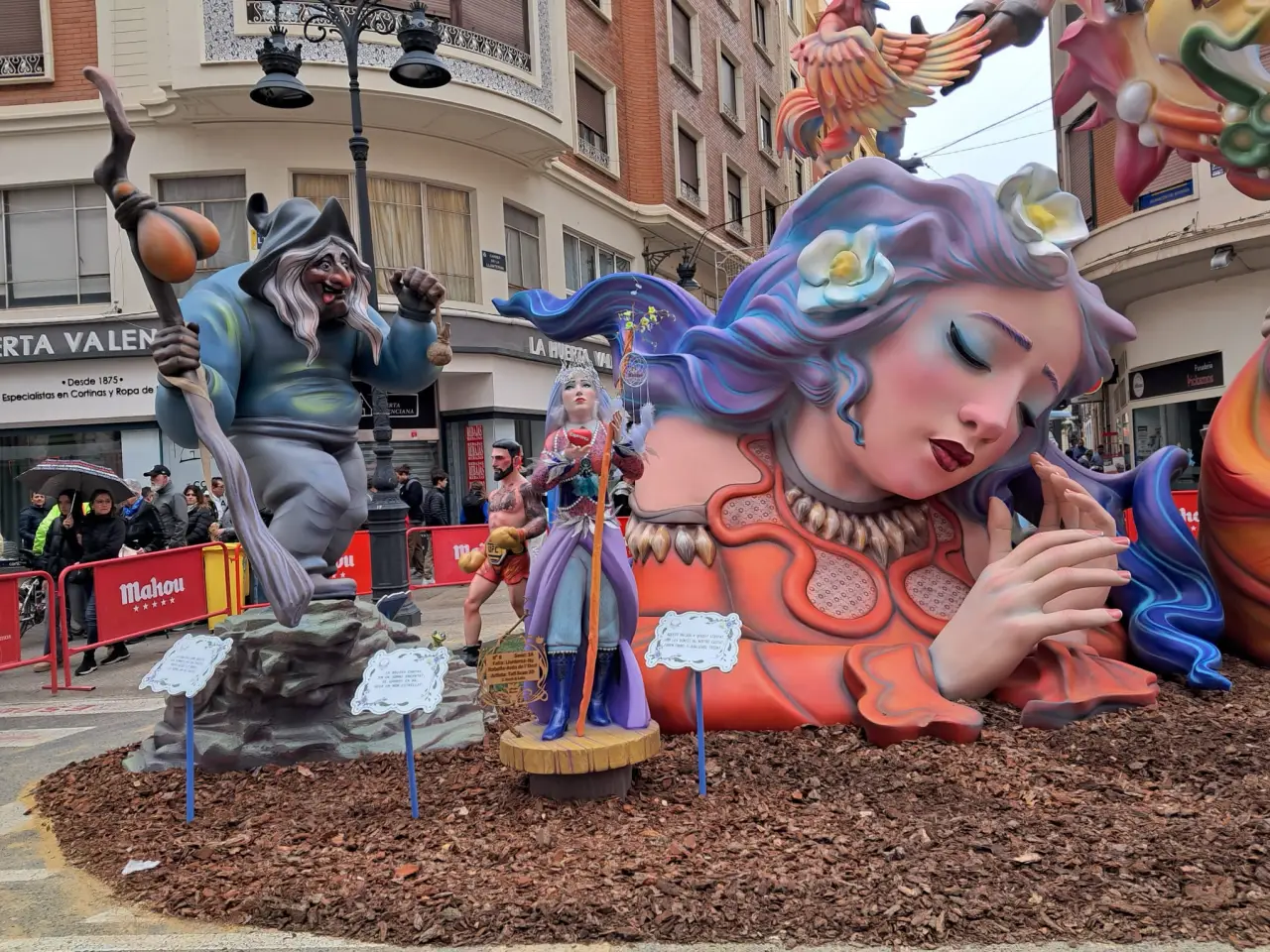
Valencia has been rudely awakened to the sound of explosions and streets filled with colour as Las Fallas 2026 launched at the start of March, filling the air with smoke and shaking the walls. The festival runs from 1 to 19 March, with the most intense celebrations concentrated between 15 and 19 March. The city centre is transformed into an open-air stage filled with music, food stalls, fireworks, and crowds gathering around nearly 800 Fallas monuments installed across neighborhoods.
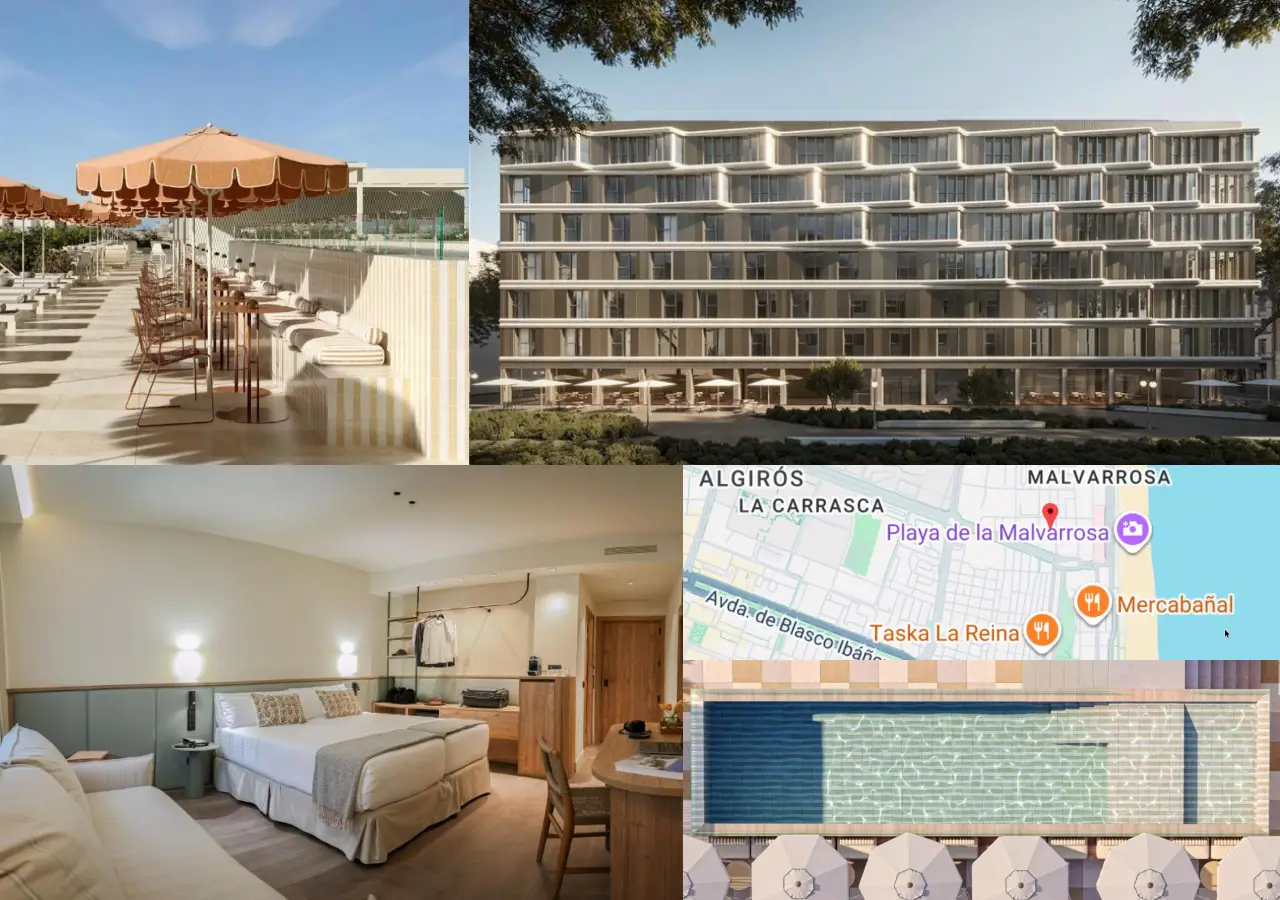
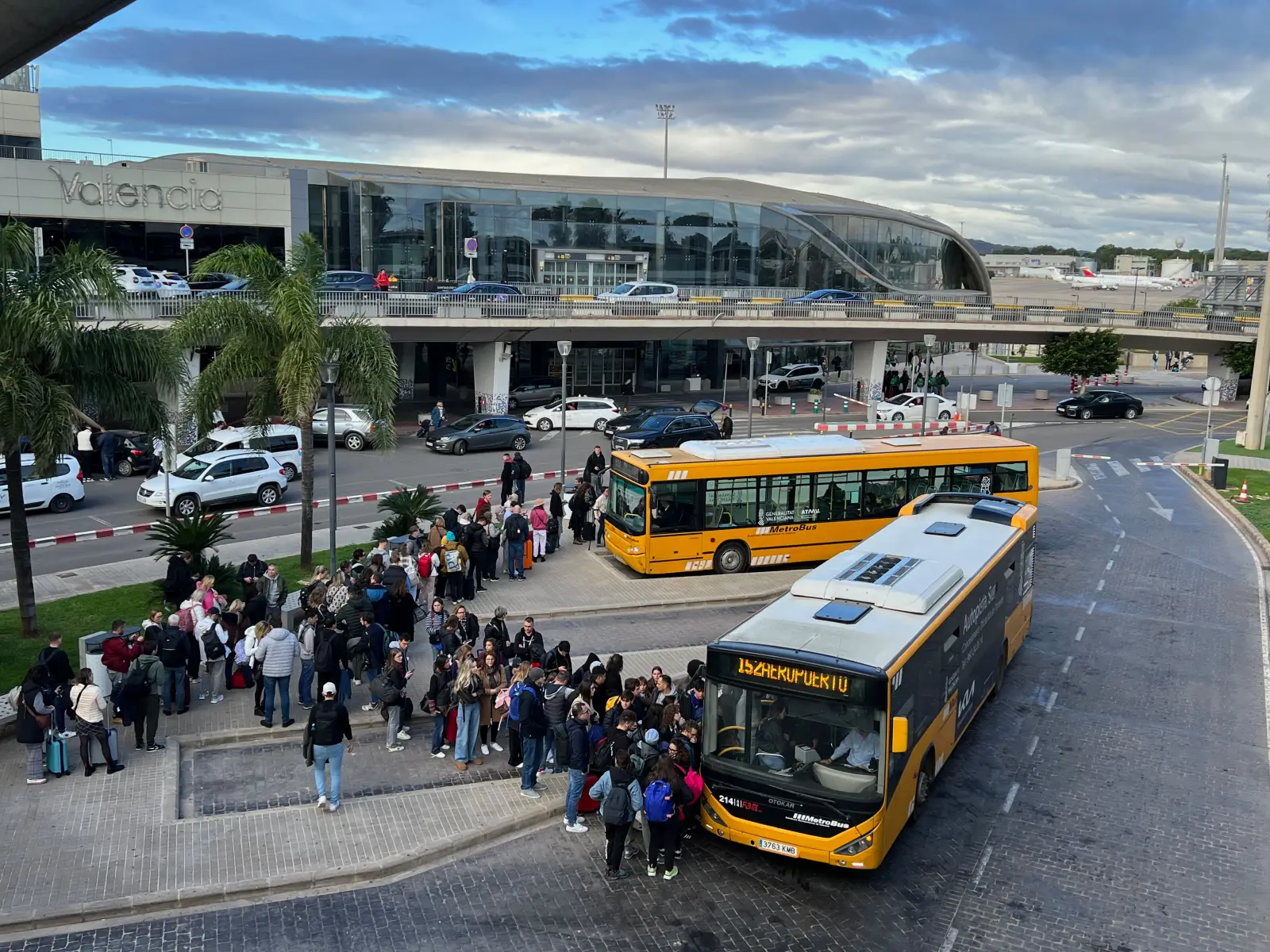
The influx of visitors has a major impact on the city’s hospitality sector. Hotels in Valencia report around 70–75% occupancy for Fallas 2026, with average nightly rates reaching roughly €200–€240 during the festival period. While demand remains strong, tourism analysts say booking patterns are evolving, with more travelers choosing short-term apartments, making later reservations, or taking shorter stays than in previous years.
Despite these shifts, Fallas remains one of the most economically important tourism events in Valencia, filling restaurants, bars, and accommodations while attracting international visitors from across Europe and beyond. The festival’s signature events, such as the daily Mascletà fireworks, the Ofrenda flower procession, Nit del Foc fireworks show, and the final Cremà monument burnings, ensure that Valencia becomes a near 24-hour celebration for nearly three weeks each March.
For travelers, the result is a city transformed: streets closed to traffic, plazas packed with spectators, and accommodation prices climbing as one of Spain’s most iconic cultural festivals reaches its peak.
Daily Mascletàs in full swing
Every day at 2:00pm in Plaza del Ayuntamiento, the city fills with the rhythmical explosions of the Mascletà — a carefully choreographed sound-driven pyrotechnic display that attracts thousands of spectators. Arriving at least 45–60 minutes early is advised for a good spot.
“HOPE” — the Falla Municipal for 2026
One of the most talked-about stories this week is the municipal monument. Plaza del Ayuntamiento has begun to transform with the arrival of the first pieces of the Falla Municipal 2026. Fallas artists Alejandro Santaeulalia and Vicente Llácer have been organising the transfer of pieces during lower-traffic hours to facilitate assembly in the heart of the city.
The motto “HOPE” — meaning esperanza in Spanish — reflects the global situation, conveying a message of positivity, renewal and optimism after the challenges of recent years.
The sculpture also carries a charitable dimension: the “HOPE” monument has been converted into a platform to raise awareness and funds for research into Paediatric Non-Hodgkin Lymphoma, with a range of solidarity merchandise — hoodies, backpacks, badges and magnets — bearing the HOPE logo.
Monument assembly begins across neighbourhoods
Between March 5 and March 19, Fallas committees have been transferring and assembling their monuments in the streets. Special and First Section Fallas began moving pieces from March 5, and all other sections from March 8.
A special UNESCO anniversary year
2026 marks a special milestone: ten years since UNESCO declared Las Fallas Intangible Cultural Heritage of Humanity. The 2026 edition also introduces sustainable elements, with new eco-friendly materials in falla construction, and enhanced digital integration allowing virtual participation for global audiences unable to attend in person.
Pyrotechnic funding boost for all neighbourhoods
Valencia City Council approved a budget of up to €100,000 to support fallas commissions with pyrotechnics, with an initial €75,000 already secured. The aim is to ensure that no neighbourhood misses out due to budget limits, with grants covering up to 100% of eligible pyrotechnic expenses up to €3,000 per falla.
Key Upcoming Dates for Visitors
La Plantà (night of 15–16 March): Artists and volunteers work through the night to assemble enormous fallas that can reach several storeys high. By morning, entire intersections are blocked by intricate scenes in wood, polystyrene and paint.
La Ofrenda (17–18 March, 15:30–01:00): Thousands of falleros and falleras parade through the city to Plaza de la Virgen, bringing flowers to the Virgin of the Forsaken.
Nit del Foc (midnight 18 March): The undisputed peak of the fireworks calendar — sustained, high-intensity fireworks over the Turia Gardens that stretch on far longer than expected.
La Cremà (19 March): Children’s fallas burn at 20:00, the main fallas at 22:00, and the Plaza del Ayuntamiento monument last at 23:00.