İzmir business leaders have renewed calls for the long-discussed Çeşme Tourism Project, describing it as a key opportunity to transform tourism in western Türkiye, reduce seasonality and increase the region’s share of the country’s rapidly growing visitor economy.
Speaking during the June assembly meeting of the İzmir Chamber of Commerce, Chairman Mahmut Özgener said the project could help spread tourism revenue throughout all 12 months of the year while creating a new tourism vision for İzmir. He also confirmed that representatives of the İzmir business community recently met Culture and Tourism Minister Mehmet Nuri Ersoy in Ankara to present their views and recommendations so work on the project could continue.
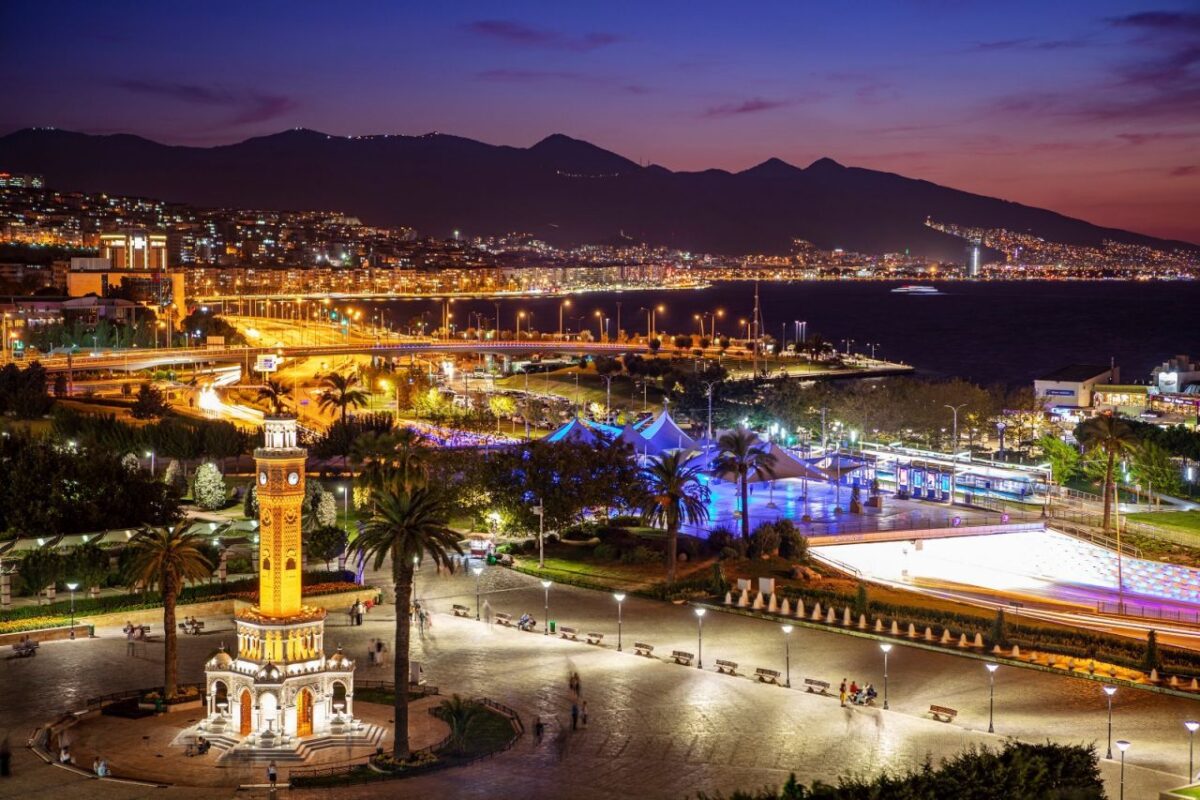
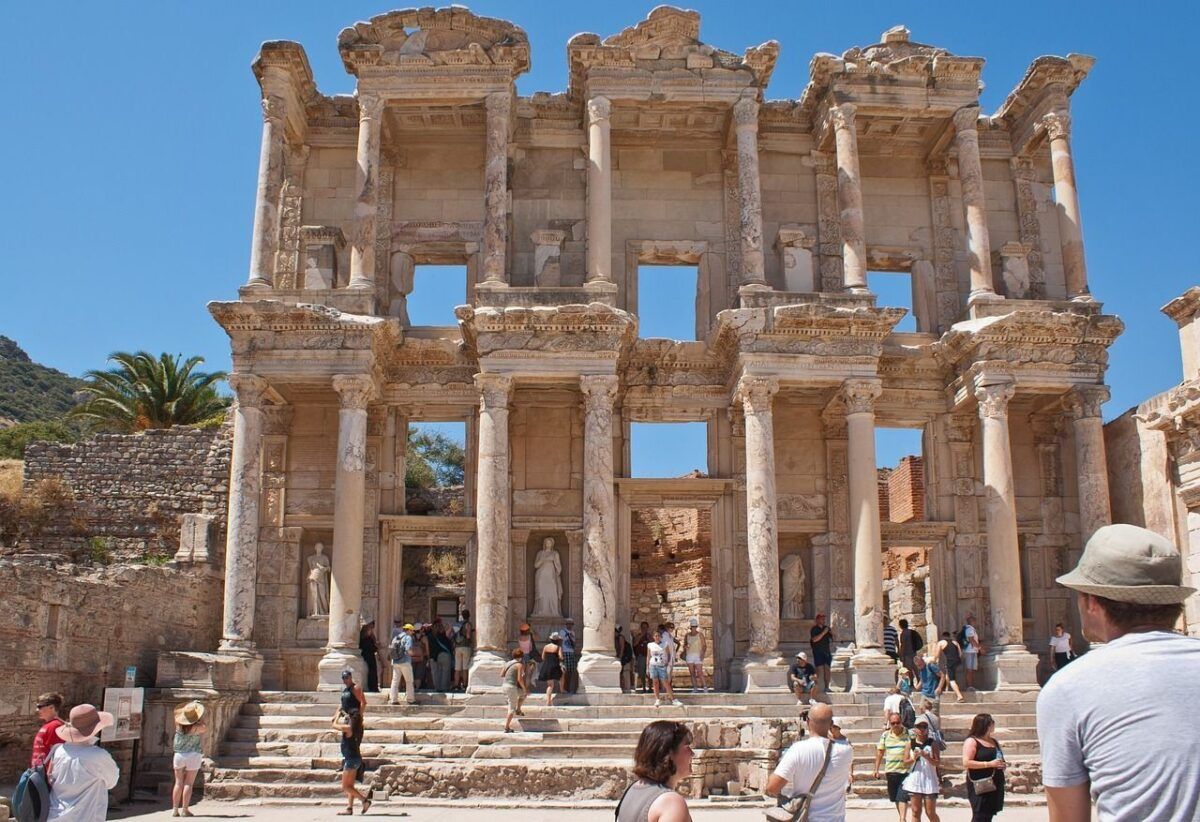
According to Özgener, Türkiye welcomed 63.917 million international visitors in 2025, generating tourism revenue of US$65.2 billion. During the same period, İzmir received approximately 1.628 million visitors, significantly fewer than competing destinations such as Antalya, despite its rich natural landscapes, coastline, archaeological heritage and cultural attractions.
What is the Çeşme Tourism Project?
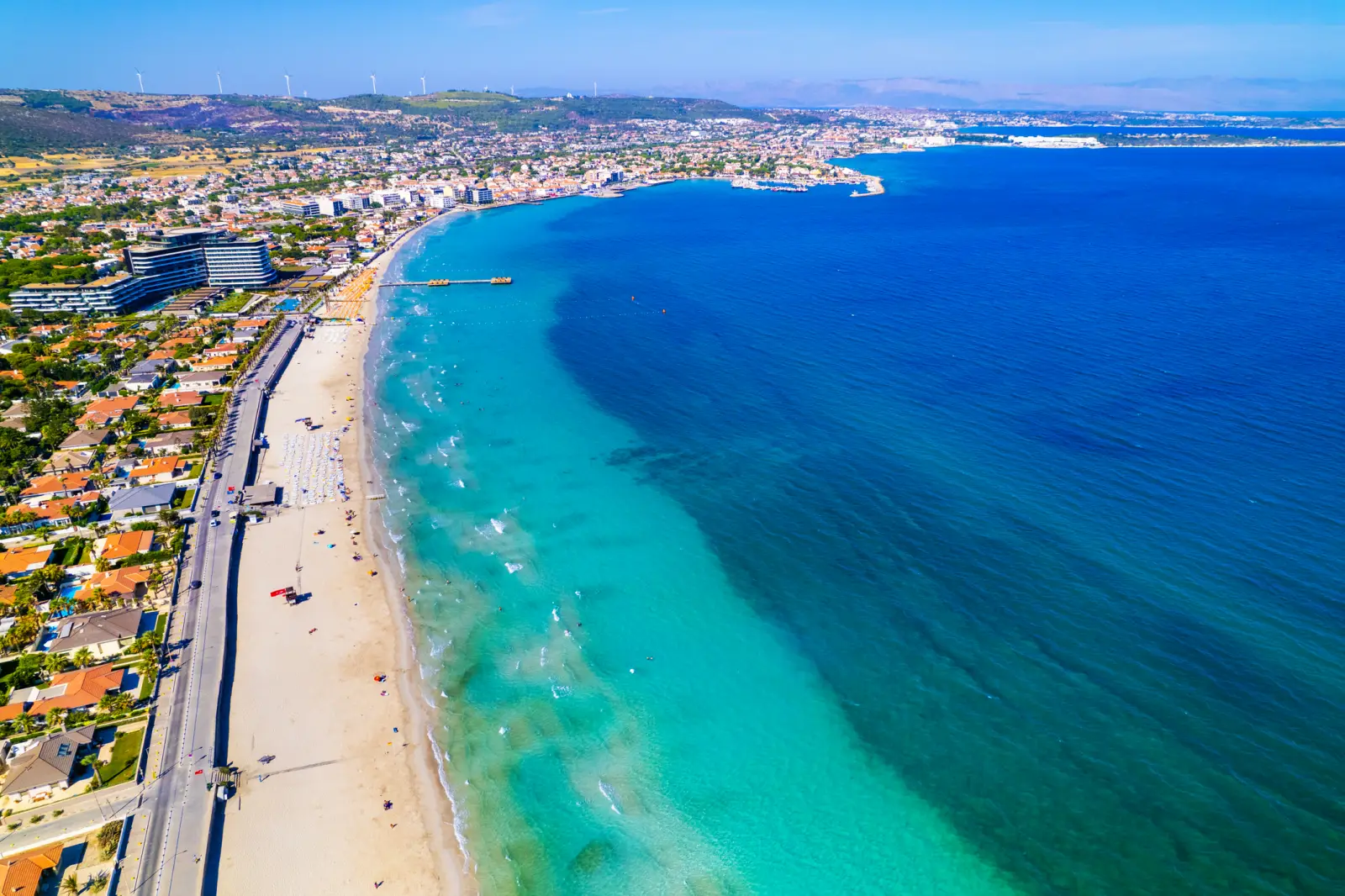
The Çeşme Tourism Project is a large-scale tourism development initiative designed to reposition the Çeşme Peninsula as an international tourism destination operating throughout the year rather than primarily during the summer season.
The project has been discussed for several years and aims to attract higher-value tourism investment while protecting the area’s natural assets through updated planning. Supporters argue that it is intended to create a diversified tourism economy instead of relying almost entirely on beach holidays.
The broader vision includes expanding accommodation capacity, improving tourism infrastructure, increasing international accessibility, attracting new tourism investments and developing products for multiple market segments. These include gastronomy tourism, congress and meetings tourism, health and wellness tourism, sports tourism, golf tourism, cultural tourism and faith tourism.
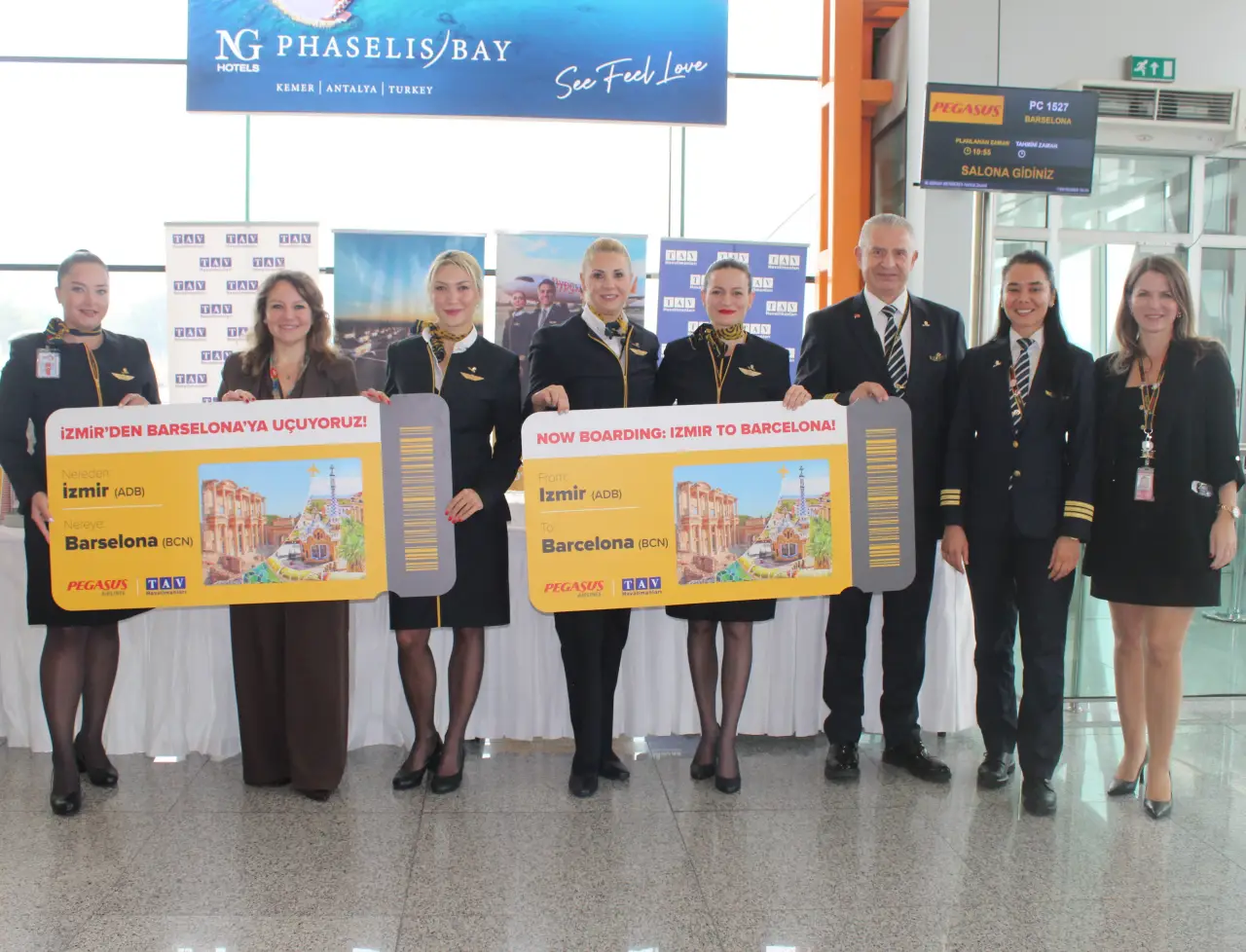
Business leaders also believe the project could encourage additional direct international flights to İzmir Adnan Menderes Airport, helping the city compete more effectively with Mediterranean destinations that currently receive much higher visitor numbers. Previous discussions surrounding the project have also highlighted the need for environmentally sustainable planning, protection of ecological assets and cooperation with local authorities before implementation proceeds.
Business community seeks broad cooperation
Özgener stressed that the project should not be viewed simply as another development plan for one coastal district. Instead, he described Çeşme as one of the future driving forces of İzmir tourism that could generate economic benefits across the wider region.
“We see it as an important opportunity for İzmir to create a new vision in tourism and spread tourism income across all 12 months of the year,” Özgener said.
He argued that the challenge is not creating new tourism potential but making better use of existing assets. In his view, Çeşme already possesses internationally competitive beaches, gastronomy, cultural heritage, marinas and climate, but these strengths have not yet translated into the level of tourism revenue achieved by competing destinations.
Özgener added that successful implementation would require cooperation between the Ministry of Culture and Tourism, İzmir Metropolitan Municipality, Çeşme Municipality, business organisations, professional associations and civil society groups.
The project remains the subject of public discussion in İzmir, particularly regarding environmental sustainability and planning. Business leaders say they support continued dialogue with local governments and stakeholders so the project can balance economic development with protection of the peninsula’s natural environment.
Supporters believe that if implemented with broad local consensus and sustainable planning principles, the Çeşme Tourism Project could strengthen İzmir’s international competitiveness, attract higher-spending visitors and help establish the city as a year-round tourism destination rather than one dependent mainly on summer holidays.