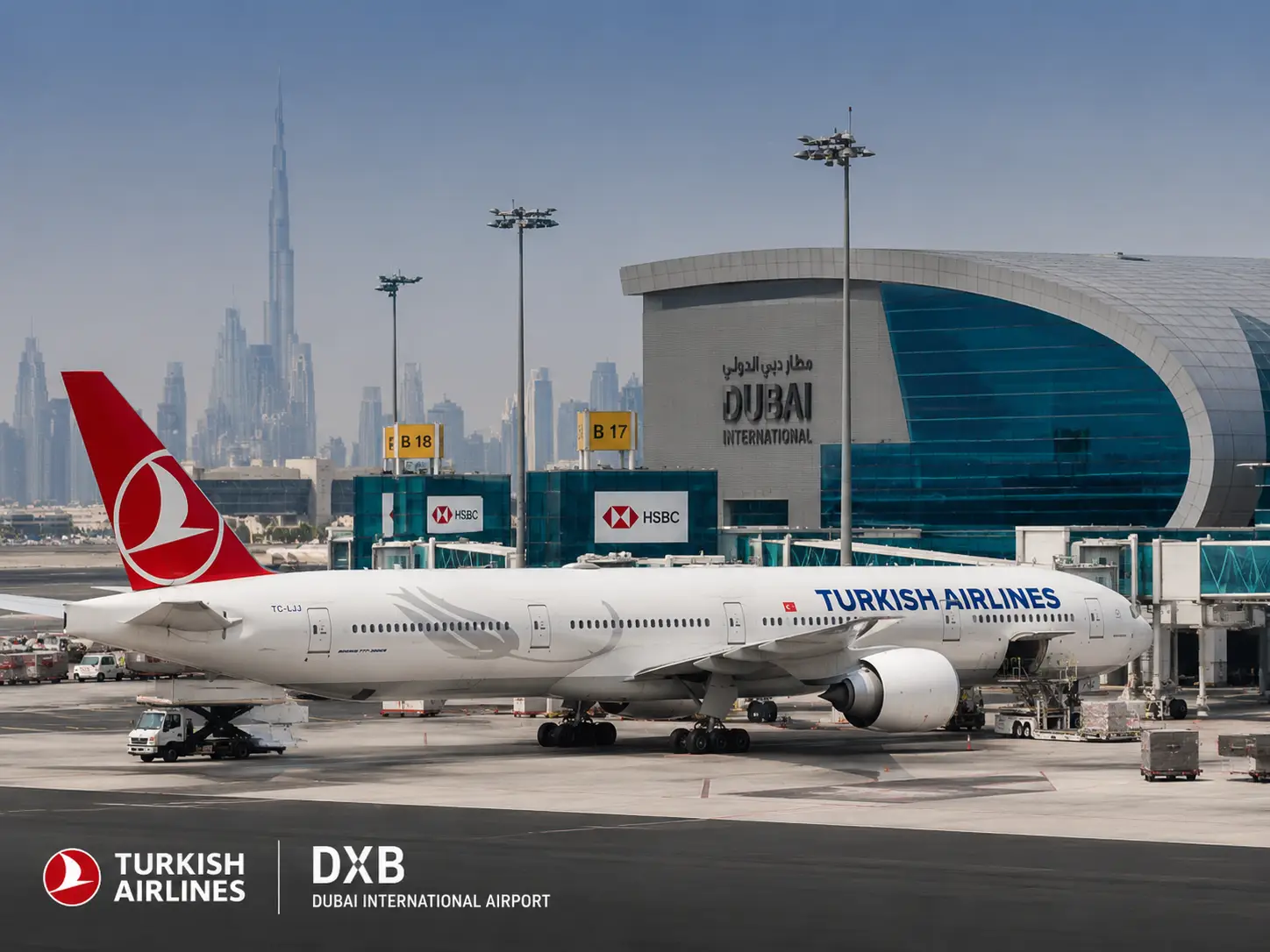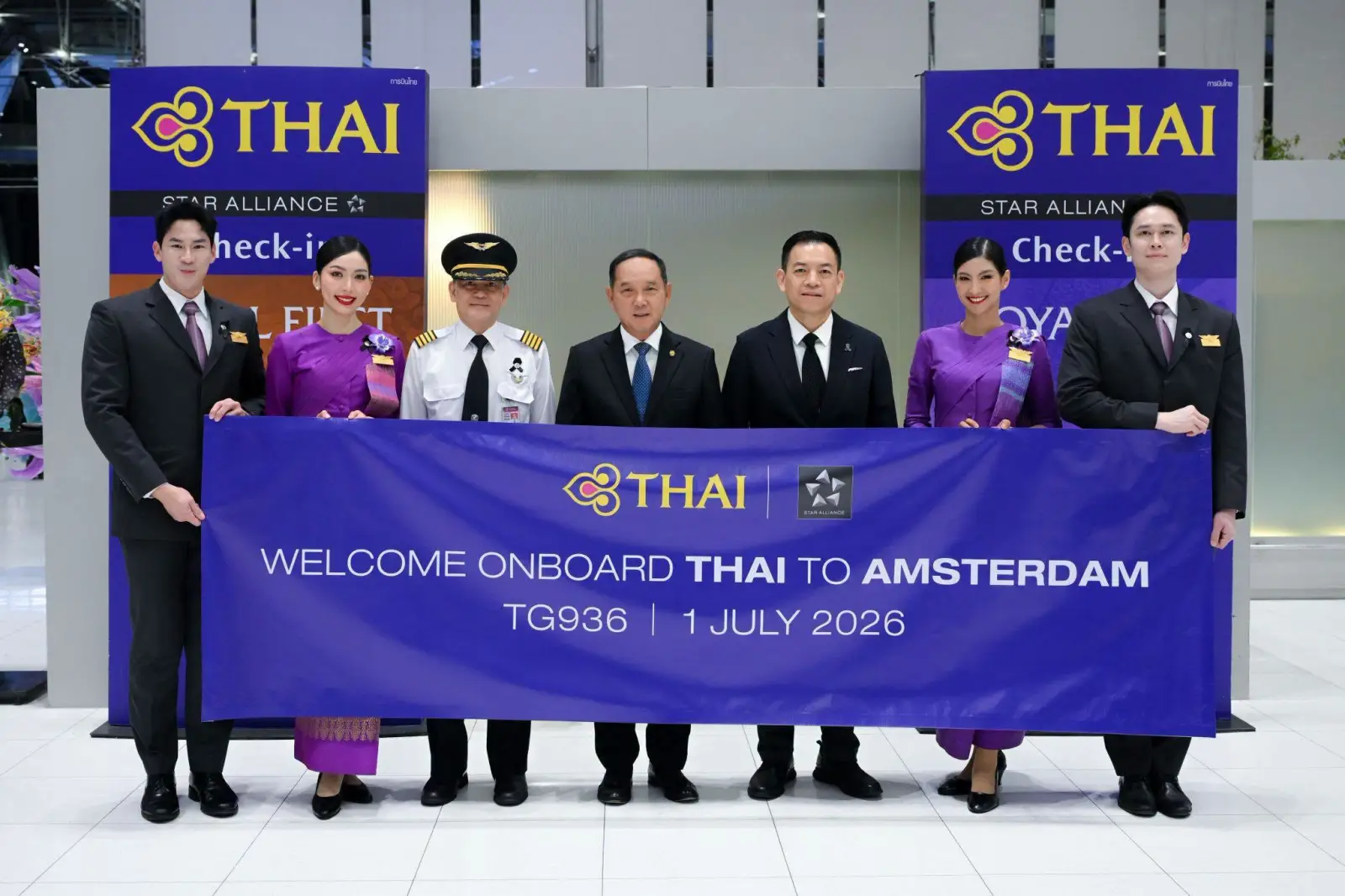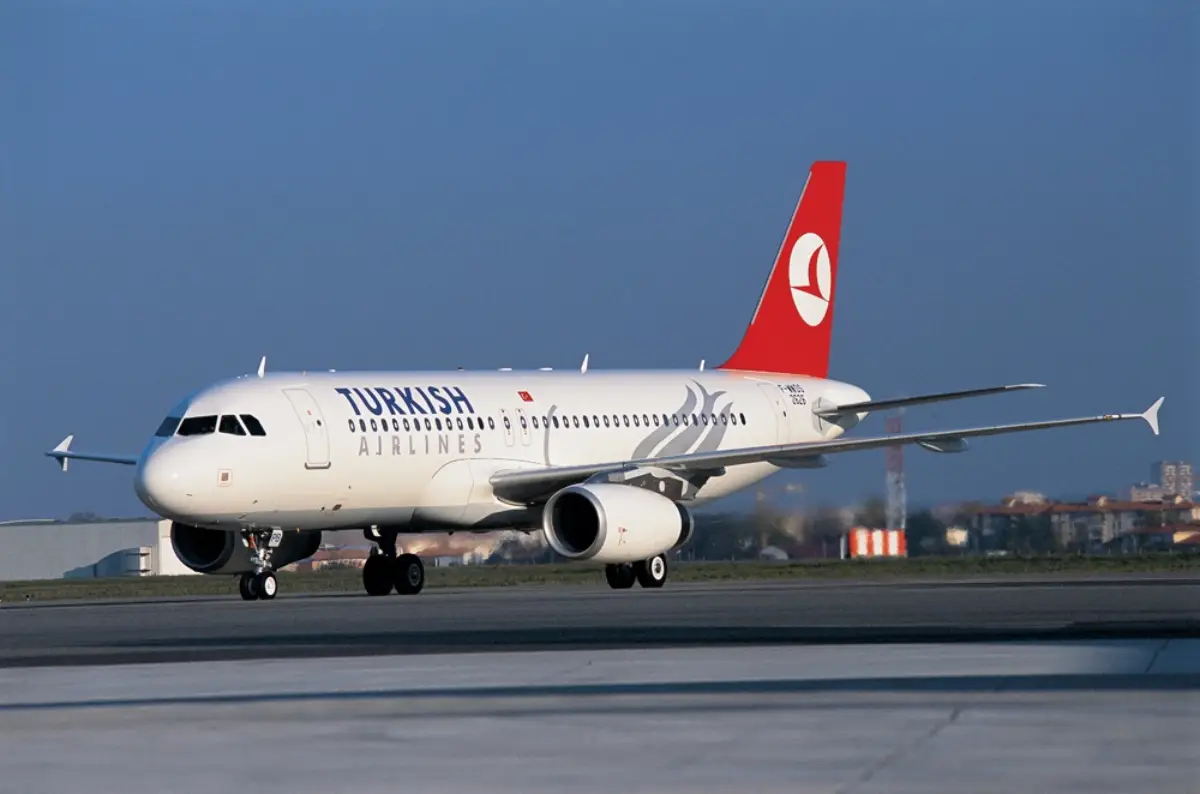
Turkish Airlines and THAI sign joint business agreement in Delhi, marking a major milestone in aviation cooperation between Türkiye and Thailand. The agreement, signed on June 1, 2025, during the IATA Annual General Meeting, represents a strategic deepening of ties between the two flag carriers and fellow Star Alliance members. With plans to enhance connectivity, expand codeshare flights, and foster tourism and commercial ties, the move is expected to unlock significant passenger traffic and investment potential between the two regions.
This Joint Business Agreement (JBA) follows THAI’s launch of daily Bangkok–Istanbul flights in December 2023, which helped reestablish a vital air bridge between Southeast Asia and Europe. With Turkish Airlines offering the world’s most extensive country coverage and Thai Airways providing strong regional connectivity in Asia, the partnership promises a truly global network with seamless service integration.
Turkish Airlines and THAI Sign Agreement in Delhi
The JBA agreement was officially signed in Delhi with senior leadership from both airlines present. Prof. Ahmet Bolat, Chairman of the Board and Executive Committee at Turkish Airlines, described the agreement as a “significant milestone” for enhancing tourism potential between Türkiye and Thailand.
“This collaboration will provide seamless travel experiences, expand connectivity between the two regions and offer guests more options through both airlines’ network,” said Bolat. He emphasized that the joint initiative will enhance passenger convenience while supporting the broader strategic goal of building strong tourism and economic links.
THAI’s Chief Executive Officer Chai Eamsiri echoed the sentiment, adding: “The JBA between THAI and Turkish Airlines on operating codeshare flights in the Bangkok–Istanbul route is scheduled to be implemented in this winter 2025–2026 flight schedule, subject to the respective authorities’ approval.”
Strengthening Star Alliance and Regional Networks
As members of Star Alliance, Turkish Airlines and THAI already share a foundation of operational cooperation. However, this agreement elevates the relationship into a more formal and profit-sharing joint business structure. Under the new JBA framework, both airlines will jointly plan pricing, scheduling, and marketing for designated routes, particularly between Bangkok and Istanbul, with future potential to expand into additional markets.
Turkish Airlines’ expansive network includes over 340 destinations across six continents, while THAI brings strong regional presence in Southeast Asia and domestic Thailand. This combination is expected to create value for both long-haul international travelers and short-haul regional passengers seeking more one-stop options.
Tourism and Trade to Benefit from Expanded Connectivity
The timing of the agreement is particularly strategic. Following the decision by Turkish and Thai civil aviation authorities to increase bilateral passenger traffic rights up to 42 weekly frequencies, both carriers are well-positioned to scale up operations and explore new markets.
With Thailand being a top destination for Turkish leisure travelers, and Türkiye offering rich cultural and business appeal for Southeast Asian visitors, the enhanced air service is expected to drive up tourism volumes in both directions. Additionally, improved air logistics can benefit the growing trade and investment links between the two countries.
According to tourism boards and industry analysts, Turkish outbound travel to Thailand has been on the rise, especially during winter months. Similarly, interest among Thai tourists in Türkiye’s historical sites, culinary experiences, and seasonal festivals is also growing.
Implementation and Winter 2025–2026 Codeshare Plans
The initial phase of the joint business agreement will focus on codeshare enhancements and schedule alignment between Istanbul and Bangkok. Subject to final regulatory approvals, this part of the agreement is expected to go into effect during the Winter 2025–2026 schedule.
THAI passengers will benefit from one-stop access to dozens of destinations in Europe, Central Asia, the Middle East, and North Africa through Turkish Airlines’ Istanbul hub. Meanwhile, Turkish Airlines customers can seamlessly connect to THAI’s domestic network, including key Thai cities such as Chiang Mai, Phuket, and Krabi, as well as destinations across Asia-Pacific.
Both carriers will collaborate on improving booking systems, customer service alignment, and baggage handling processes to ensure a consistent travel experience. Enhanced loyalty program benefits are also being explored, allowing members of THAI’s Royal Orchid Plus and Turkish Airlines’ Miles&Smiles programs to earn and redeem miles more efficiently across both networks.
A Step Toward Future Market Expansion
While the focus is currently on strengthening the Bangkok–Istanbul route, the agreement opens the door to future joint ventures on other routes. These could include services to new secondary cities in both Türkiye and Thailand, or co-developed charter and seasonal operations tailored to emerging tourism demand.
The agreement may also serve as a model for similar collaborations between other Star Alliance carriers in adjacent markets, particularly as global aviation recovers from pandemic-era disruptions and enters a new phase of strategic growth through alliances and integrated services.
Industry Perspective: Airlines Adapt with Joint Strategies
In the context of increasing operational costs, regulatory complexities, and shifting consumer expectations, airline joint business agreements have become a popular model for creating competitive advantage. By sharing resources and aligning strategies, carriers can maximize efficiency, boost profitability, and improve passenger satisfaction.
The Turkish Airlines and THAI partnership is consistent with this trend, providing both airlines a platform to expand reach while lowering barriers to customer acquisition in competitive markets like Europe–Asia and Middle East–Southeast Asia corridors.
As the global travel industry continues to evolve, Turkish Airlines and THAI sign joint business agreement to reflect the growing need for collaboration, not competition, in meeting the demands of modern travelers.