Turkish tour operators are preparing for a sharp rise in business as Greece extends a special visa‑on‑arrival scheme that lets citizens of Turkey visit selected Aegean islands without a pre‑arranged Schengen visa.
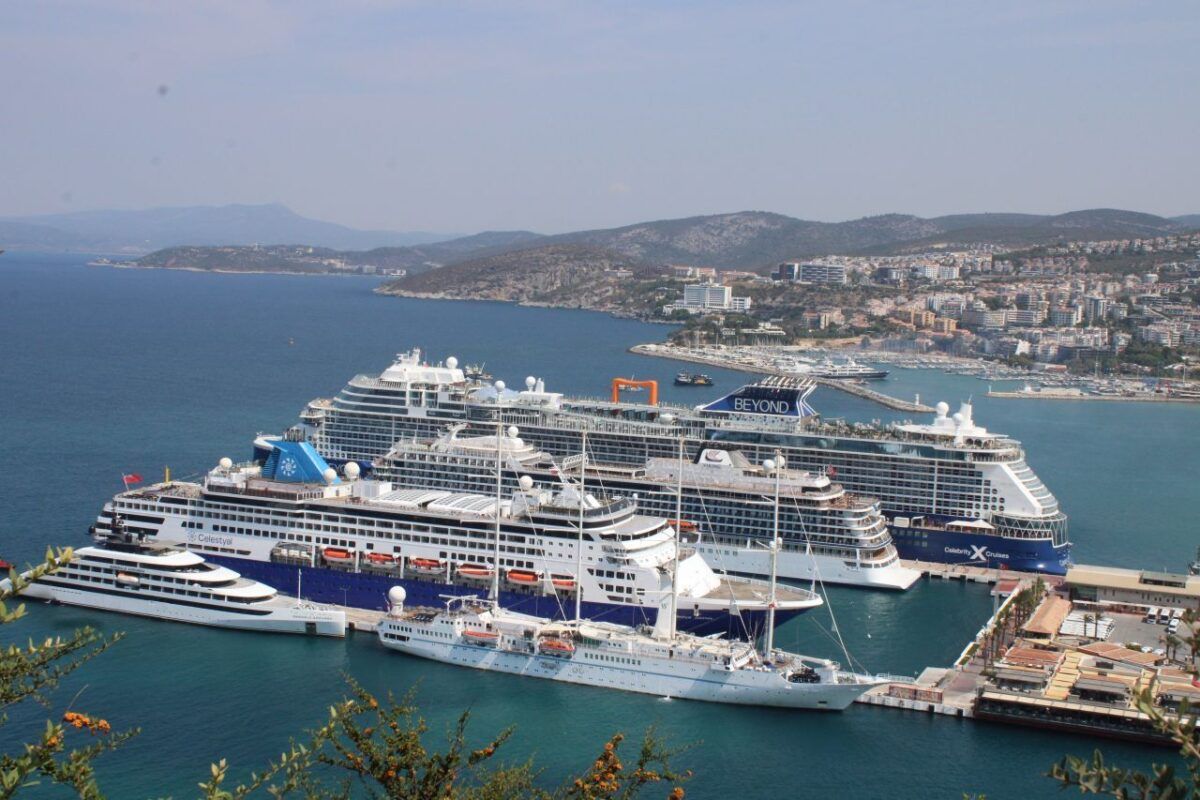
The policy allows Turkish travellers to stay for up to seven days on designated islands, eliminates visa fees that previously cost about €200 and, according to Saltur Tourism board member Ismail Fırat Cevik, could boost cruise and island bookings by “up to a 50 percent increase in reservations this season.” The eased entry rules apply to islands close to the Turkish coast and are widely expected to spur a surge in ferry and cruise traffic in the 2025 season. Tour operators note that the lower administrative burden and cost make short getaways to Greece far more attractive for their customers.
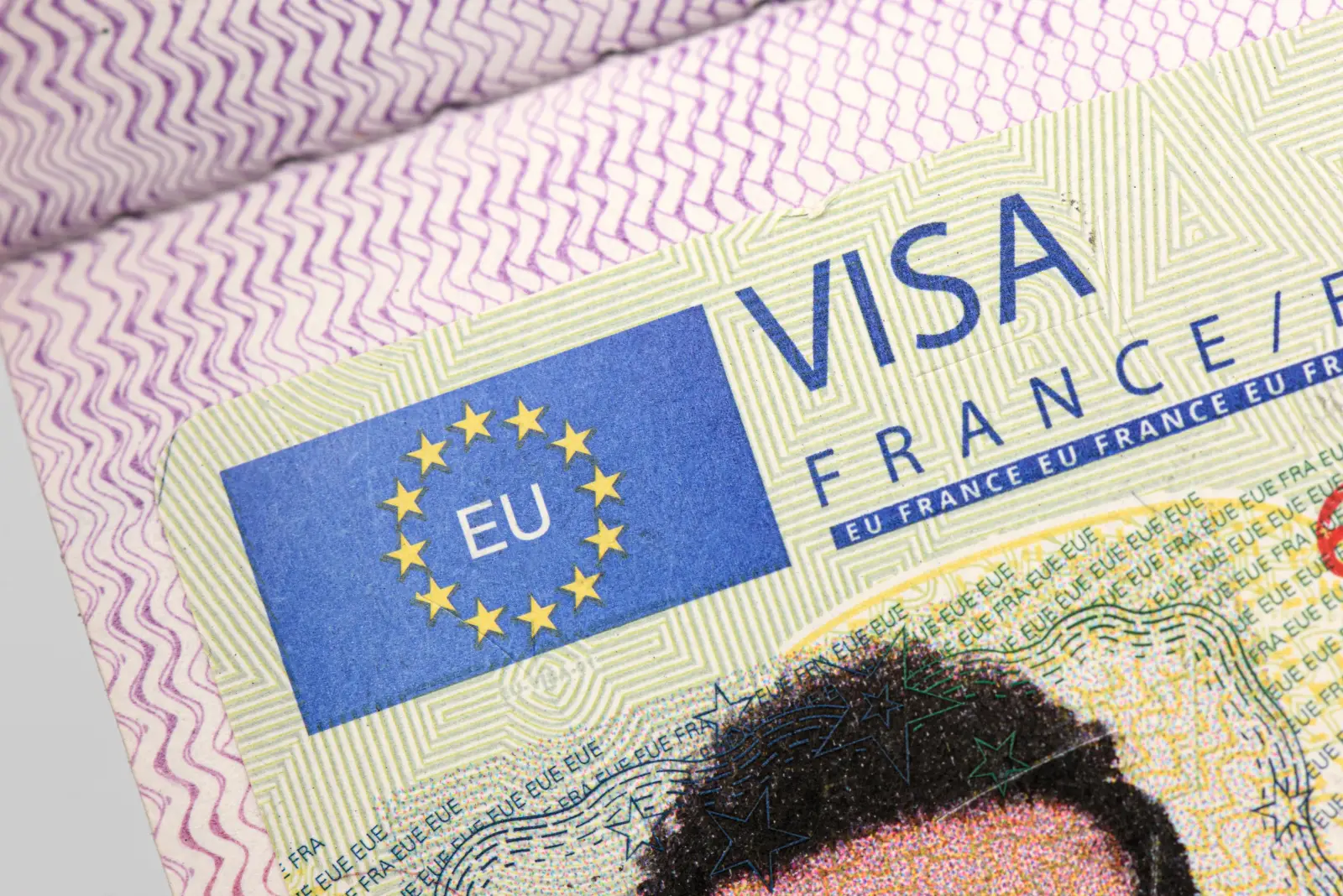
Implemented on 1 April 2024, the fast‑track visa program lets Turkish citizens obtain a visa upon arrival for €60 and has already been used by more than 110,000 visitors. Greece’s government announced this week that the initiative would be extended until April 2026 and expanded from 10 to 12 islands by adding Patmos and Samothrace.
Consul General of Greece to Istanbul Konstantinos Koutras described the program as “very successful,” noting that it required approval from the European Commission and has delivered “almost 100 % positive” results. The extension follows an exceptional year for cross‑border tourism: more than 1.3 million Turks visited Greece in 2024, while 600,000 Greeks travelled to Turkey.
Visa Programme Details and Extension
The visa‑on‑arrival regime applies to Lemnos, Lesvos, Chios, Samos, Leros, Kalymnos, Kos, Rhodes, Symi, Kastellorizo and now Patmos and Samothrace. Tourists pay €60 at the port of entry and receive a single‑entry permit valid for seven days; the simplified process bypasses the normal Schengen application, which costs €90 and can take weeks to approve. Eliminating upfront visa fees and paperwork has already proved popular: by November 2024 the program had logged more than 110,000 users. Koutras said Greece reapplied to renew the program after its first year and is now expanding it because “people in Turkey have received it very positively.”
The scheme’s success forms part of a broader rapprochement between the two neighbours, which agreed in December 2023 to ease travel restrictions as part of a road map to improve relations. While the visa covers only the specified islands and does not permit travel to mainland Greece, ferry operators report increased demand for crossings from Turkish ports such as Bodrum, Çeşme and Kuşadası to nearby islands. Analysts also note that Greek accommodation and dining prices remain competitive for Turkish travellers, especially given Turkey’s high inflation and currency depreciation, factors that have made domestic holidays significantly more expensive. The combination of easier entry and perceived better value has shifted travel flows; projections from the Global Tourism Forum anticipate that as many as 1.4 million Turks could visit Greece in 2025.
Industry Response and Consumer Impact
Turkish tour companies say the removal of visa fees is a pivotal factor. Özgü Alnıtemiz, director of Karavan Tourism, explained that visa charges, which can vary from €120 to €200 when processed through intermediaries, have long been a “financial burden for Turkish tourists.”
In an earlier commentary, he observed that Greece’s islands are already popular and contribute significantly to the Greek economy via day trips and cruises; however, he cautioned that the Schengen system’s ultimate flexibility still depends on powerful member states such as Germany. Alnıtemiz said that as tourism professionals, they are “happy, but we also need to be cautious… We will wait and see.”
Saltur Tourism’s Ismail Fırat Cevik was more bullish. With the visa fees removed, he predicted that demand could rise by “up to a 50 percent increase in reservations.” He added that interest in Greek island cruises from Turkey had already been growing thanks to investments by local and international operators. Industry analysts echo his optimism, noting that round‑trip ferry tickets between Turkish coastal cities and nearby islands typically range from €30 to €80, making weekend getaways affordable. Tour packages combining ferry transport, accommodation and excursions are being aggressively marketed for the upcoming spring and summer seasons.

Economic and Diplomatic Context
Greece’s decision to extend and expand the program reflects the economic importance of Turkish visitors. The visa initiative was initially conceived as a way to boost tourism revenue and encourage people‑to‑people contact after years of tension over migration and maritime claims. The Greek Ministry of Tourism noted that the country welcomed 33.4 million visitors in 2023, surpassing the pre‑pandemic record, and sees Turkish travellers as a key segment to sustain growth. For Turkey, the program offers an outlet for citizens facing domestic inflation: the Turkish consumer price index was above 75 percent in May 2024, pushing up the cost of domestic hotels and services. Analysts warn that unless Turkey regains price competitiveness or develops compelling alternative destinations, domestic tourism could suffer.
Diplomatically, the success of the scheme has encouraged further cooperation. Koutras said that cultural events and business forums are being organised to strengthen ties and explore investment opportunities. He mentioned that more than 100 Turkish companies participated in a recent meeting to explore investing in Greece and that additional B2B forums are planned. The consulate is also hosting exhibitions and cultural exchanges to promote mutual understanding. Both governments view tourism as a bridge to deepen relations beyond politics and to foster economic development on both sides of the Aegean.
As the 2025 travel season approaches, the combination of extended visa privileges, affordable ferry connections and competitive pricing is poised to reshape travel patterns in the eastern Mediterranean. Tour operators expect strong demand for package holidays that combine short cruises with stays on islands like Rhodes and Kos. Greek authorities, mindful of overtourism concerns, have indicated they will monitor visitor flows and may adjust the program if necessary. For now, the removal of visa fees and simplified entry procedures has set the stage for a significant uptick in Turkish tourism to Greece, promising economic gains and potentially warmer bilateral relations.