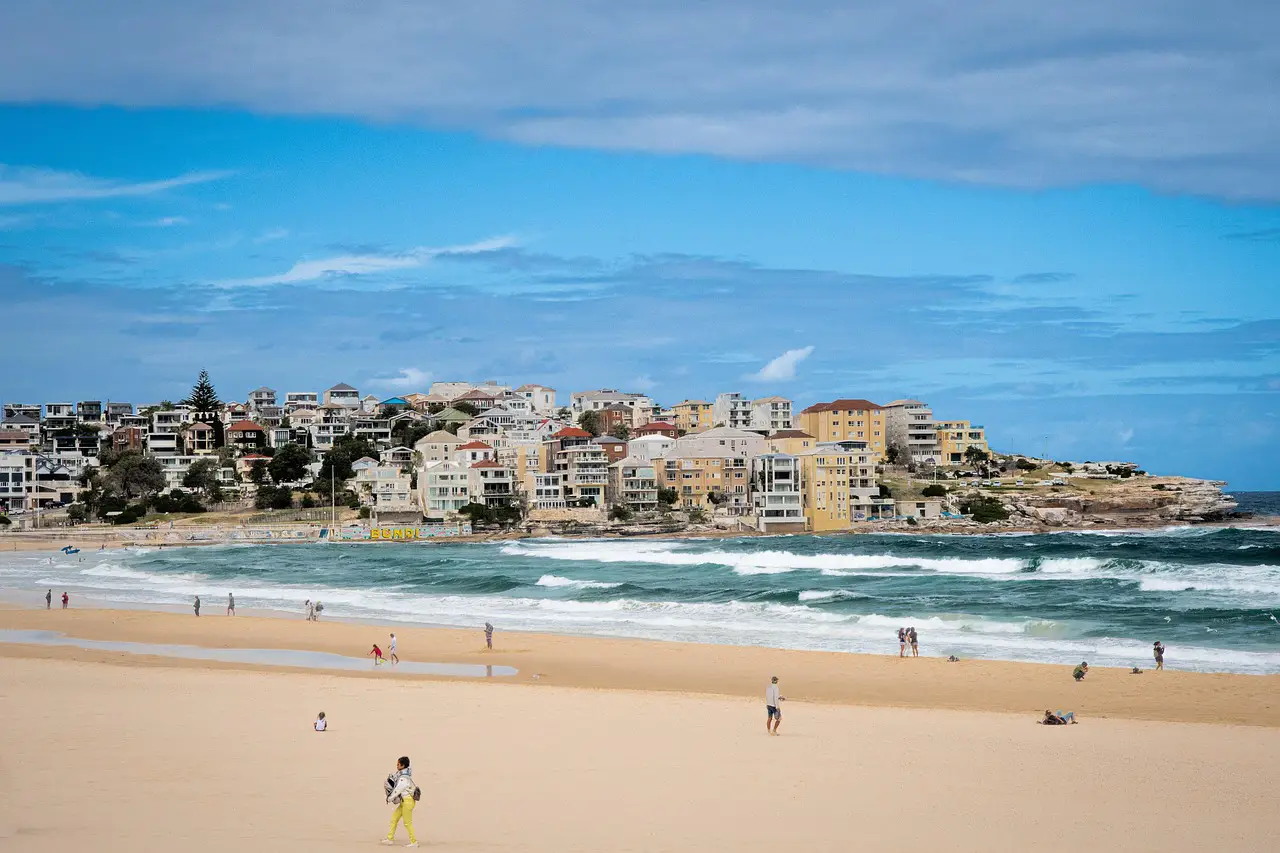
Beaches in north Sydney will remain closed on Thursday, 22 January, after four shark incidents across the state of New South Wales in 48 hours up until Tuesday.
Assessment of water quality throughout the day was made and it was found that water clarity is still murky following the recent heavy rainfall and floods that have swept across the state. These conditions increase the risk of shark activity. Rain flushes nutrients into the water, which can draw sharks closer to shore.
As such, over 20 beaches in Sydney’s northern area will remain closed until further notice, said police, as reported by BBC. The public was advised to use swimming pools instead.
North Sydney’s famous beaches include iconic surf spots like Manly, Freshwater, Curl Curl, Dee Why, and Palm Beach, known for surfing and stunning scenery, plus calmer harbour havens like Shelly Beach, Fairlight and Little Manly, all part of Sydney’s renowned Northern Beaches strip
It is currently the middle of the Southern Hemisphere summer, when beaches across Australia are packed with locals and tourists.
Four shark attacks in two days
Beaches around Port Macquarie, around 400 km north of Sydney, were shut after a man was bitten while surfing on Tuesday, 20 January. He remains in hospital in a stable condition, health authorities said.
On Monday 19 January, emergency services were called to a beach in Sydney’s Manly after a surfer in his 20s had been bitten by a shark. Also on Monday, a 10-year-old boy escaped unharmed after a shark knocked him off his surfboard and bit a chunk out of it, while on Sunday, a 12-year-old boy was left in critical condition after being bitten at a city beach.
Shark attacks are rare and unusual
Sharks do not normally attack humans, but the murky water reduces their visibility and raises the risk of them bumping into something or people at which point “they defensively or curiously bite and then bite again”, said an expert on shark behaviour.
Reuters reported that Australia sees around 20 shark attacks per year, with fewer than three of those being fatalities, according to data from conservation groups. Those numbers are dwarfed by drownings on the country’s beaches.
The same BBC report stated that authorities believe bull sharks were involved in most of the recent attacks. Bull sharks, which can be found in both fresh water and salt water, are “one of the few sharks that are potentially dangerous to people”, the Australian Museum says. They are the third deadliest shark species, according to the International Shark Attack File.
Last November, a woman was killed and a man was seriously injured after being attacked by a bull shark on a remote beach, also on the New South Wales Mid North coast.
Bull sharks are typically seen around Sydney in January and February – the summer months in Australia.
Though Australia is a global shark attack hotspot, the chances of being attacked are still minute, making this latest string of shark attacks a rare phenomenon.