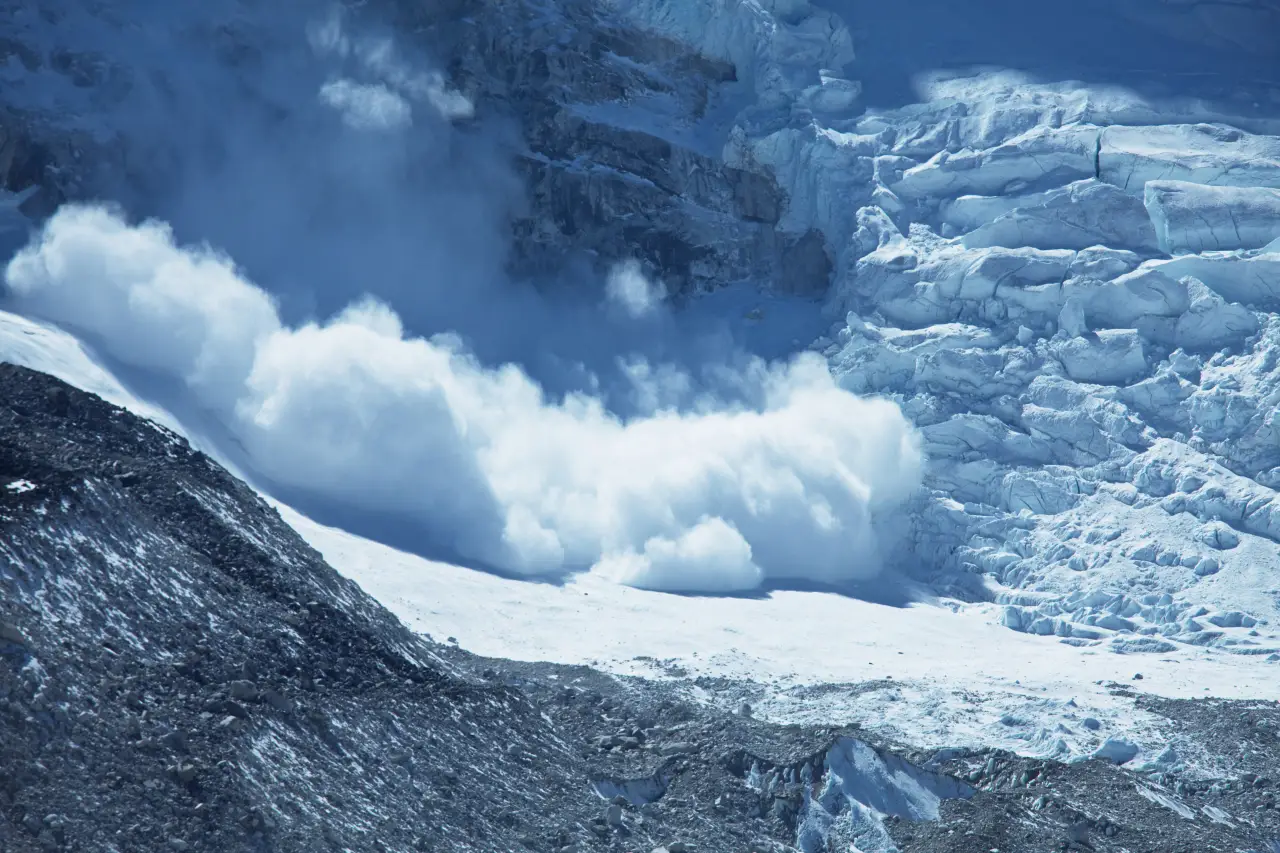
Eight backcountry skiers were confirmed dead after a large avalanche swept through the Castle Peak area near Lake Tahoe in Northern California this week, as recovery crews returned to the site following several days of hazardous weather.
The slide occurred during severe winter storm conditions, burying multiple skiers while others managed to escape and alert authorities using emergency communication devices. Officials say one person had initially been listed as missing but is now presumed among the dead.
Rescue and recovery operations were repeatedly suspended due to unstable snowpack and continuing avalanche risk before improving weather allowed teams to resume work. Authorities are now examining the circumstances surrounding the group’s decision to enter the backcountry during high-risk conditions, including whether safety guidance was ignored. The incident is among the deadliest avalanche events in the United States in decades.
Recovery operations and investigation continue
Local sheriff’s departments, search-and-rescue teams, and avalanche specialists have been working in difficult terrain northwest of Lake Tahoe, where deep snow and steep slopes complicated access to the site. Officials said crews used helicopters, avalanche beacons, and probing equipment to locate victims buried beneath several feet of snow.
According to regional officials, six people survived the avalanche and were able to shelter together before being rescued. Some of the survivors used smartphone emergency SOS features to contact authorities, helping guide rescue teams through whiteout conditions.
Weather officials reported that the avalanche occurred after intense snowfall combined with strong winds that created unstable layers within the snowpack. Avalanche forecasters had issued high-risk warnings across much of the Sierra Nevada region in the days leading up to the slide.
Authorities are also reviewing whether criminal negligence played any role in the incident, focusing on trip planning, awareness of avalanche forecasts, and group decision-making. Such investigations are standard following major outdoor fatalities but do not automatically indicate wrongdoing.
Family members have begun identifying several of the victims, many of whom were described in local reports as experienced skiers who frequently traveled together into backcountry terrain. The tragedy has prompted renewed discussion among winter tourism operators and safety organizations about avalanche education, real-time weather monitoring, and the growing popularity of off-piste skiing following major storm cycles.
Further updates are expected as recovery efforts conclude and investigators compile their findings. Officials have urged skiers and snowboarders traveling in mountainous regions to check avalanche forecasts, carry proper rescue equipment, and avoid high-risk zones during extreme weather.