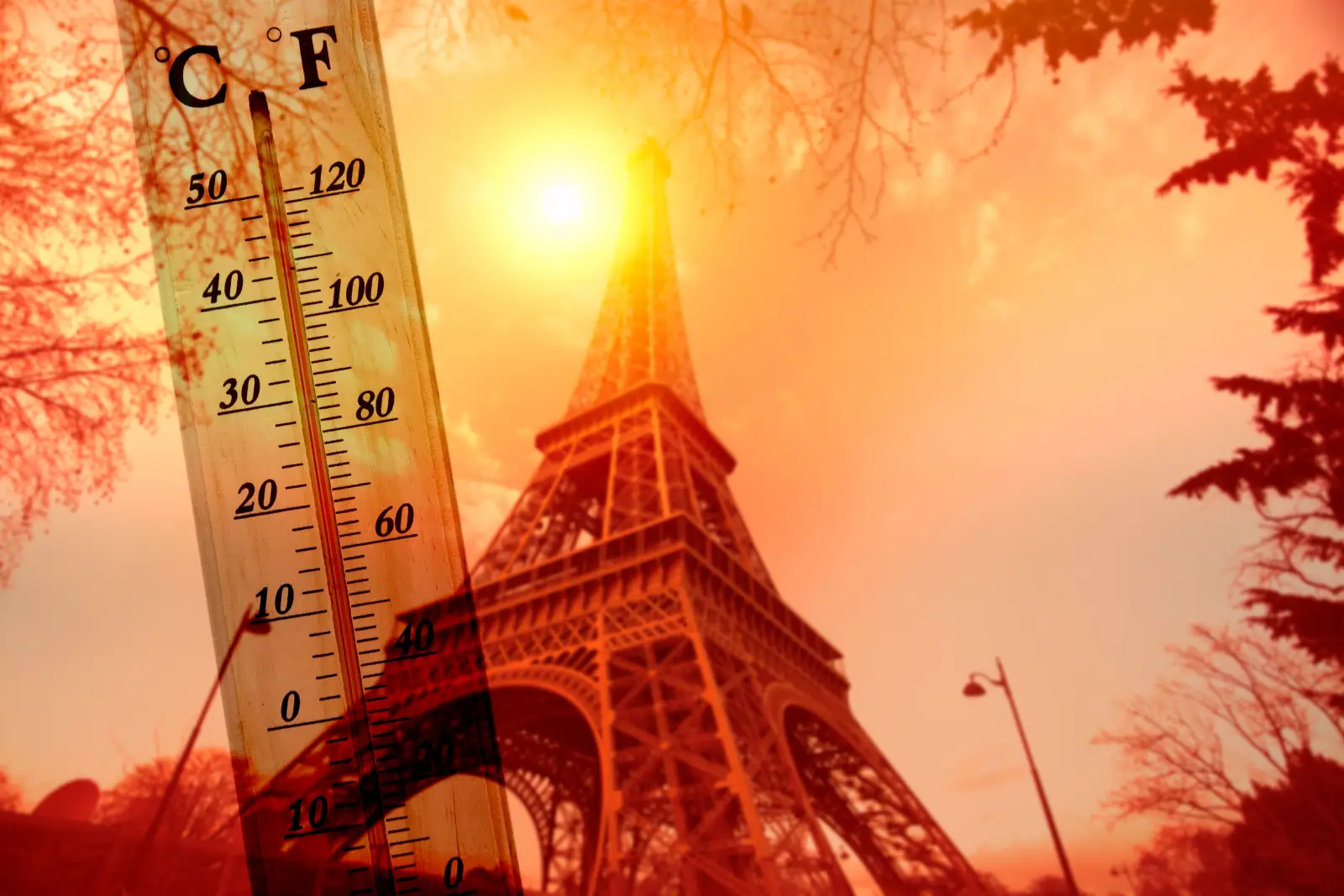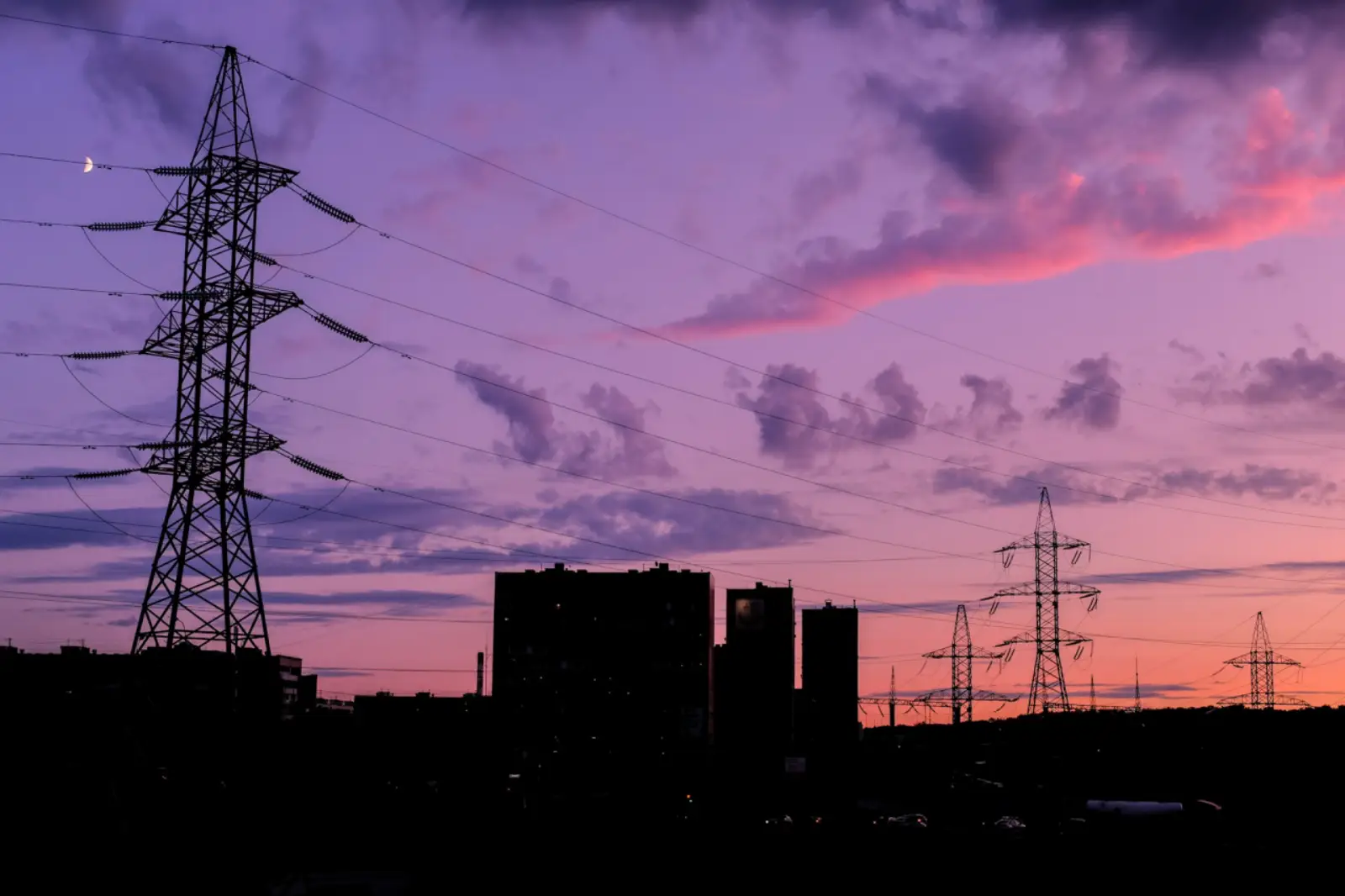
A power outage struck the historic center of Paris on Monday, disrupting life in one of the city’s most iconic areas and renewing concerns about infrastructure resilience during extreme heat. Grid operator Enedis confirmed that unusually high temperatures were to blame, highlighting the increasing vulnerability of European cities to climate-driven events.
The blackout impacted around 1,400 households and buildings in the Île de la Cité—the oldest part of Paris and home to landmarks such as the Palais de Justice and the Paris police headquarters. Enedis issued a statement citing “an exceptional episode of high heat over the last few days” as the cause, underscoring a growing pattern of climate-related service disruptions across the region.
Outdated Infrastructure Meets Modern Climate Pressures
The timing of the blackout coincides with Paris’s first major heatwave of the summer. Temperatures soared over several days and are expected to remain high until at least Wednesday. The strain on the city’s aging electrical system proved too much, particularly in central areas where older power cables lie buried under thick asphalt that traps heat.
To address the rising risk of heat-induced failures, Paris is in the midst of a major infrastructure overhaul. The city began replacing obsolete underground electricity cables in 2024 with modern, heat-resistant alternatives. The existing cables, known as PILC (paper-insulated lead-covered), date back to the late 19th and 20th centuries and were not designed to handle prolonged high temperatures.
According to Enedis deputy regional director Olivier Lagnel, “We’re anticipating the renewal of these cables, which are starting to be affected by heat, to have a very resilient network in Paris.” The goal is to completely phase out PILC cables by 2050 in all major French cities.
Why PILC Cables Are Failing
Originally praised for their reliability, PILC cables consist of oil-soaked paper wrapped in a lead sheath and were built to endure temperatures up to 90°C. However, in extreme heat, especially when buried beneath layers of asphalt, temperatures can spike to 120–130°C. This causes insulation to dry out and accelerates cable degradation, leading to failures like the one Paris just experienced.
Paris has 9,200 kilometers of low- and medium-voltage power lines buried underground—a setup designed to save space and protect cables from wind damage. But being out of sight doesn’t make them immune to heatwaves, which are growing more frequent and intense. The blackout served as a reminder that below the city’s picturesque surface lies a fragile system struggling to adapt to the new climate reality.
Global Relevance of the Paris Blackout
The issue is not unique to France. In Sicily, a 2023 heatwave left hundreds of thousands without electricity and water for days due to damage to underground cables. Italy’s Enel energy group called it an “exceptional climatic emergency,” noting that road surface temperatures had reached 50°C. In the United States, cities like Portland have also reported power line failures due to similar conditions.
Experts warn that the world’s 80 million kilometers of power lines are largely unprepared to withstand prolonged extreme heat. As urban populations grow and electricity demand increases—particularly with the expansion of air conditioning use—the risk of blackouts becomes not only more likely but more dangerous.
Paris Looks Ahead
Paris is using the blackout as a case study in what must change. After conducting emergency planning simulations for 50°C scenarios, the city began fast-tracking cable replacements and investing in grid resilience. While the replacement process is long and complex, it is now seen as essential to protecting residents, institutions, and tourism in a city known for its dense historic core.
“The idea is to avoid cuts as much as possible,” said Lagnel, “and to desensitise the network… as heatwaves come back more and more often, stronger and stronger.”
As the world warms, the Paris blackout may be just a preview of challenges cities around the globe will face. Whether they are prepared—like Paris is beginning to be—will determine not only who keeps the lights on, but who can safely thrive in the cities of tomorrow.