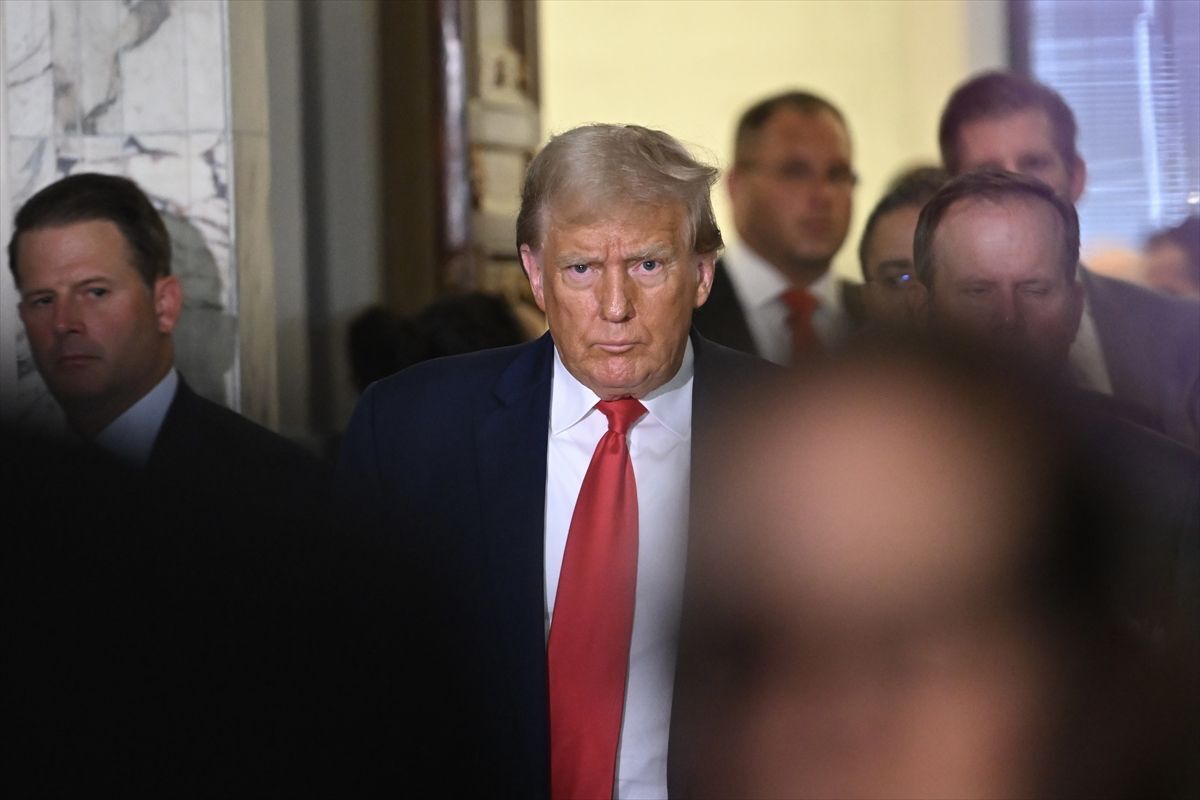
Trump signs 2025 US travel ban affecting 19 countries in a sweeping executive action aimed at addressing national security and immigration control. Starting Monday, June 9, twelve nations will face total entry bans, while seven others will be subject to restricted visa access. The measures, outlined in a presidential proclamation issued June 4, are already generating significant global reaction and debate.
The document, titled “Restricting the Entry of Foreign Nationals to Protect the United States From Foreign Terrorists and Other National Security and Public Safety Threats”, marks a return to Trump-era immigration policy and mirrors elements of the 2017 travel ban that sparked legal battles and international outrage.
12 Countries Banned from Entry to the U.S.
According to the proclamation, nationals from the following countries are now completely barred from entering the U.S. as both immigrants and nonimmigrants:
- Afghanistan
- Burma (Myanmar)
- Chad
- Republic of the Congo
- Equatorial Guinea
- Eritrea
- Haiti
- Iran
- Libya
- Somalia
- Sudan
- Yemen
These countries were cited for issues ranging from the absence of a cooperative authority for issuing passports, to being state sponsors of terrorism, or harboring safe havens for extremist groups. For example, the proclamation claims that “Afghanistan lacks a competent or cooperative central authority for issuing passports or civil documents”, and labels Iran “a state sponsor of terrorism.”
7 Countries Face Partial Visa Restrictions
In addition to the 12 nations facing total bans, seven countries are now subject to partial restrictions. The visa categories affected include tourist/business (B-1/B-2), student (F), vocational (M), and exchange visitor (J) visas. These countries are:
- Burundi
- Cuba
- Laos
- Sierra Leone
- Togo
- Turkmenistan
- Venezuela
According to the order, “The entry into the United States of nationals of [these countries] as immigrants, and as nonimmigrants on B-1, B-2, B-1/B-2, F, M, and J visas is hereby suspended.” Additionally, consular officers are instructed to reduce visa validity periods wherever legally possible.
Reasons Behind the Travel Ban
The White House justifies the new restrictions based on a range of factors, including:
- Inadequate identity management or passport screening measures
- Weak government cooperation on security-related matters
- Presence of terrorist organizations or extremist activity
- High rates of U.S. visa overstays
One striking example is Chad, where the B-1/B-2 visa overstay rate was reported at 49.54% according to the Fiscal Year 2023 report from the Department of Homeland Security. Trump stated that the entry of these individuals “would be detrimental to the interests of the United States.”
Exemptions and Clarifications
Despite the strict nature of the proclamation, several exemptions are listed. These include:
- Lawful permanent residents of the United States
- Athletes participating in major international events like the Olympics or World Cup
- Adoption-related visa categories (IR-3, IR-4, IH-3, IH-4)
- Immigrant visas for persecuted ethnic and religious minorities in Iran
The proclamation also clarifies that visas issued prior to the effective date will remain valid and are not subject to automatic revocation under this order.
International Response and Historical Context
The new restrictions have already provoked a global response. Somalia has expressed intentions to resolve the matter diplomatically. Venezuela’s Interior Minister Diosdado Cabello called the move political persecution, claiming, “Being in the United States is a big risk for anybody… They persecute our countrymen, our people for no reason.”
This 2025 measure draws parallels to Trump’s earlier immigration actions, particularly the 2017 travel ban targeting several Muslim-majority countries, which was upheld by the U.S. Supreme Court and then reversed by President Biden in 2021. In the June 4 proclamation, Trump reaffirmed that the new ban is intended to enhance national security, enforce immigration laws, and increase pressure on foreign governments to cooperate with U.S. security standards.