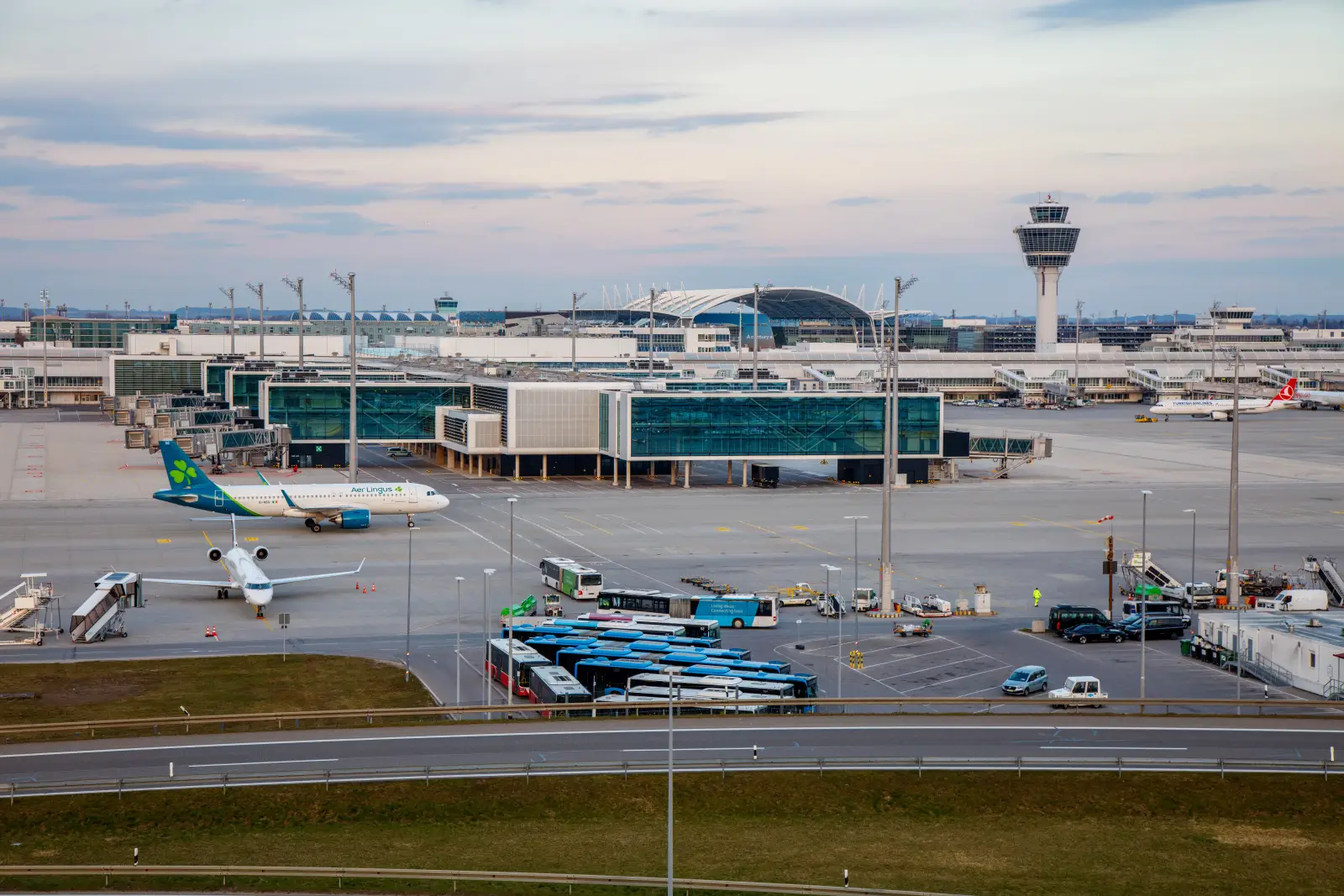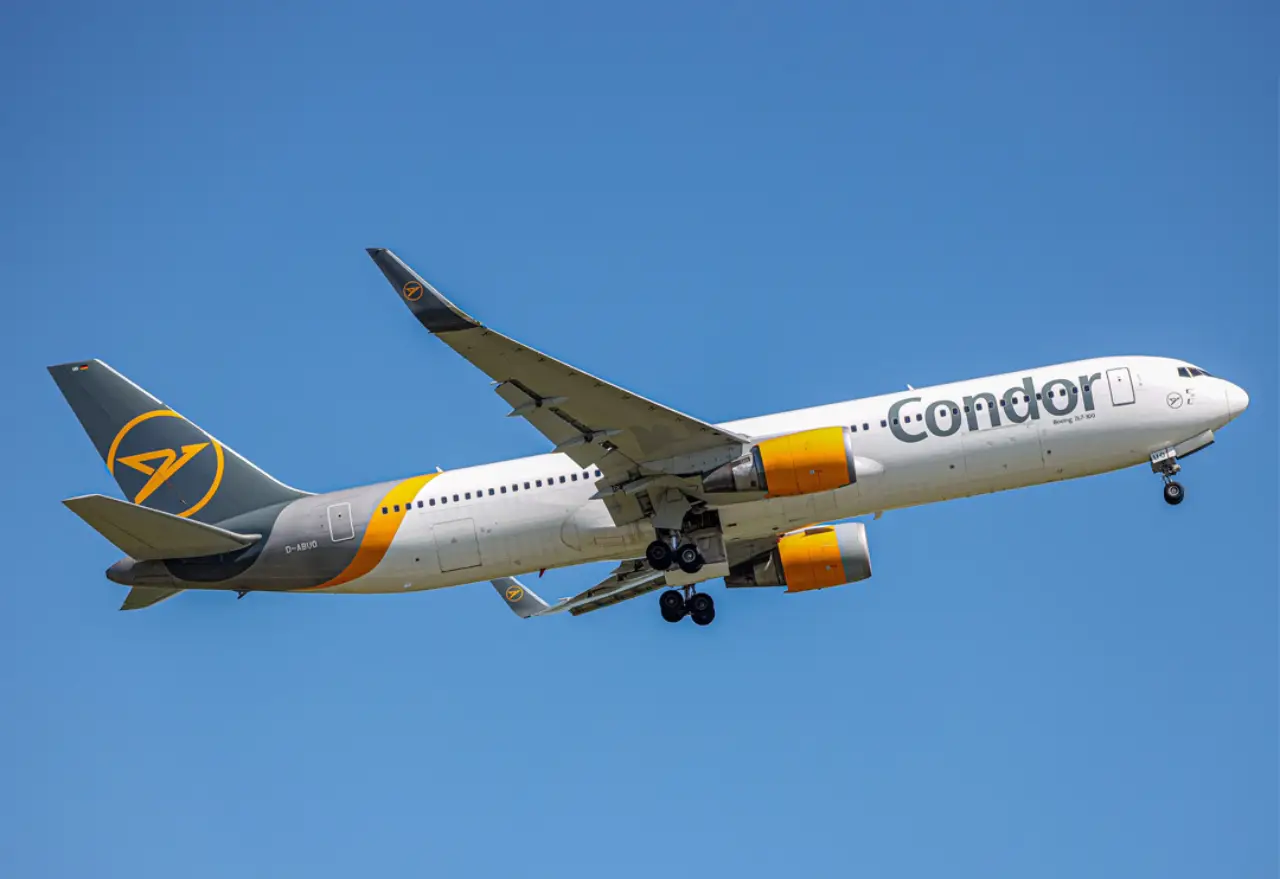
Condor flight from Mallorca denied landing at Munich Airport after arriving just seconds past curfew, triggering frustration among passengers and highlighting strict late-night regulations in place at one of Germany’s busiest air hubs. The incident occurred on Monday night when flight DE1513, operated by Condor and scheduled to land in Munich before midnight, was diverted due to exceeding the airport’s 00:00 landing limit by less than a minute.
The flight, originally planned to depart from Palma de Mallorca at 20:35, experienced delays and didn’t take off until 22:52. This timing left the crew with little room to meet the deadline. The duration of the flight from Mallorca to Munich typically takes just over two hours, making an arrival before midnight extremely tight. Even though the pilot had anticipated the issue and requested a 30-minute extension—which was granted—the flight still narrowly missed the deadline.
Strict Curfew Enforcement at Munich Airport
Munich Airport enforces a strict ban on arrivals between midnight and 5:00 a.m. unless special permission is granted. Although the flight crew secured an initial extension, the flight’s final approach still fell outside the allowable window. A second request for further delay accommodation was reportedly denied. As a result, the aircraft was diverted to Frankfurt-Hahn Airport in Lautzenhausen, approximately 500 kilometers away.
At Hahn, the flight landed at 1:15 a.m., and passengers were disembarked and taken by bus to the terminal. They remained there until 6:50 a.m., when the plane resumed its journey and finally landed at Munich Airport around 8:00 a.m.—nearly 12 hours after the scheduled arrival time.
Passenger Frustration and Operational Consequences
The inconvenience was not lost on those aboard. According to passengers, the pilot addressed them via the intercom, expressing disbelief: “This has never happened to me in my whole career,” he reportedly said. Despite securing the first extension in good faith, the inability to obtain a last-minute clearance left both crew and passengers stranded for the night.
The rerouting also presented logistical complications for Condor, from fuel costs to crew schedules, and left hundreds of travelers scrambling to rearrange their onward connections or ground transportation. Passenger reactions ranged from confused to outraged, especially given the proximity of the flight’s original landing time to the midnight threshold.
Midnight Rules: Why the Strict Cutoff?
Munich Airport’s curfew is primarily in place to reduce noise pollution for nearby residents and maintain operational structure overnight. Exceptions can be made in extraordinary circumstances such as weather emergencies or air traffic control disruptions. However, delays originating from departure airports typically do not qualify for leniency—especially when advanced notice and permissions are not part of formal airport coordination.
According to airport protocol, noise-sensitive time windows are legally binding and managed through advance slot agreements. Pilots and airlines must factor in these cutoffs when planning departures from other European cities, especially those known for weather-related or seasonal delays like Mallorca.
A Broader Challenge for Airlines
While the Condor incident is not the first of its kind, it adds to a growing number of cases where airline punctuality clashes with rigid airport curfews. With summer travel surging and air traffic congestion returning to pre-pandemic levels, minor delays can result in major disruptions under such strict frameworks.
For now, passengers on DE1513 have become the latest example of how precision and planning intersect with regulation—reminding travelers that even seconds can make all the difference in air travel. As airlines and airports navigate these complexities, it remains to be seen whether curfew policies will evolve or remain inflexible in the face of increasing global traffic.