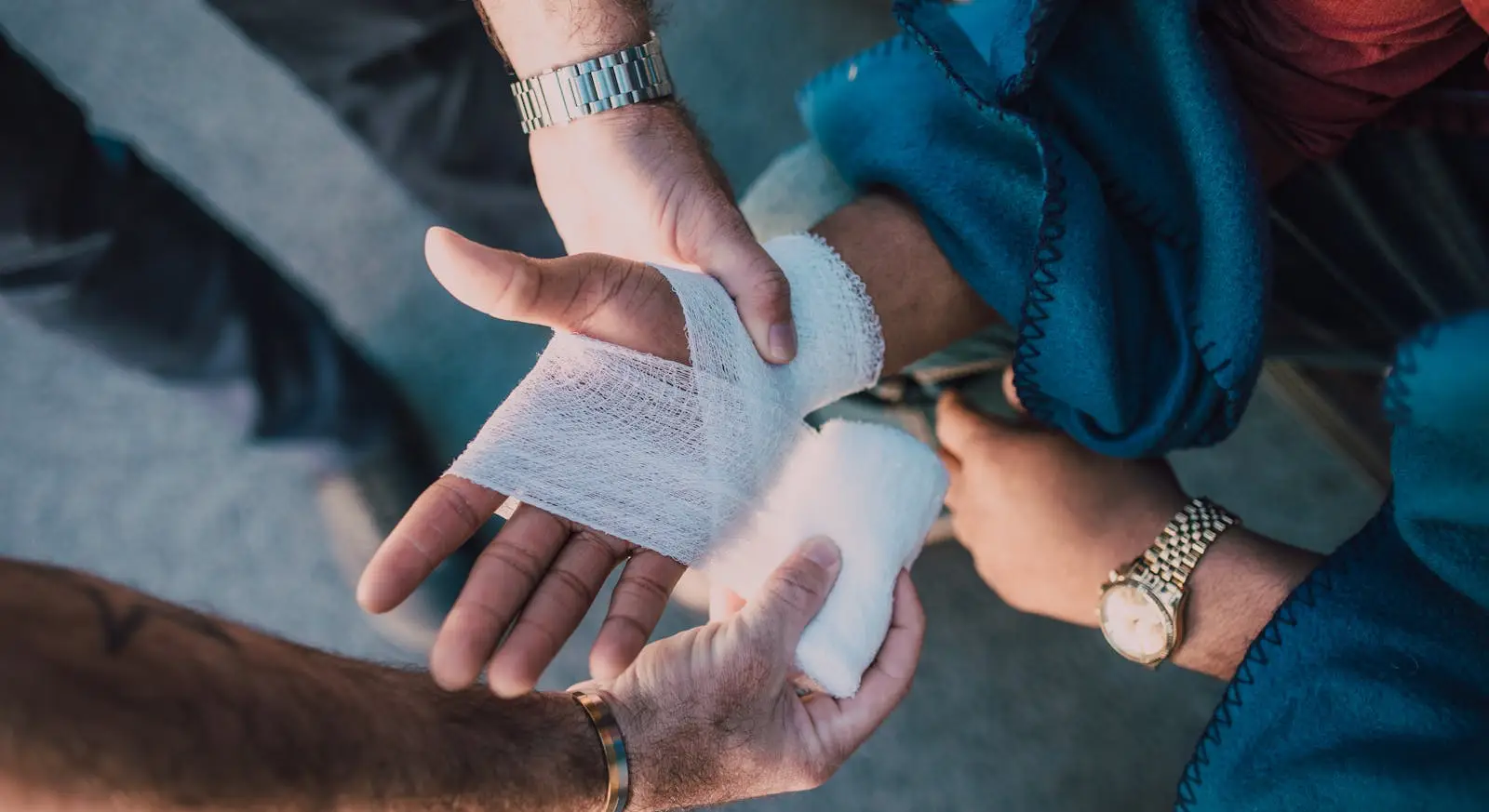
Vacations are supposed to be all about relaxation—poolside cocktails, sandy beaches, guided adventures. But every now and then, someone ends up in an ER instead of a spa. Whether it’s a fall from a slippery resort staircase or a fender-bender in a rental car, vacation injuries happen more often than most travelers expect. And they’re not just inconvenient—they can be expensive, stressful, and legally complicated.
If you’ve been hurt while on vacation, you might assume there’s nothing you can do once you’re back home. But in many cases, especially if the incident involved negligence, you may have options. That’s where talking to professionals can make all the difference. They know how to take vacation mishaps seriously—even if the resort staff didn’t.
Let’s unpack how to handle an injury away from home, what kinds of incidents could qualify for compensation, and how to protect your rights even when you’re off the clock.
What Kinds of Vacation Accidents Are Covered?
Not every injury that happens on vacation is something you can sue over—but many are. The key factor is whether someone else’s negligence played a role. Here are some of the most common types of vacation-related injuries that could lead to a valid personal injury claim:
Slip-and-Falls at Resorts or Hotels
Pool decks, lobby stairs, broken elevators, and poorly lit walkways can all become danger zones. If staff failed to fix or warn about a known hazard, the hotel could be held liable.
Injuries During Excursions
Booked a zipline tour or snorkeling trip through your hotel? If the tour company skipped safety briefings or used faulty equipment, you might be able to hold them accountable.
Rideshare and Shuttle Accidents
Getting hurt while in a rideshare or airport shuttle? These companies have insurance for a reason. If a driver’s reckless behavior or a vehicle defect caused the crash, you may be entitled to compensation.
Cruise Ship Mishaps
From broken deck railings to food poisoning, cruise ships are floating cities—and just as legally accountable. U.S.-based companies often fall under U.S. maritime law, which still allows you to file a claim after returning home.
Rental Car Accidents
Even if you were the passenger and not at fault, you could pursue compensation through the rental agency’s coverage or the at-fault driver’s insurance.
First Steps to Take Right After the Injury
The first few minutes after an accident can shape the entire outcome of your case. You don’t need to be a legal expert—you just need to act with clarity. Here’s a simple checklist for what to do:
- Seek Medical Help Immediately
Don’t try to “walk it off.” Whether it’s a sprained ankle or a suspected concussion, get checked out. Local medical records become vital evidence later on. - Report the Incident
Tell hotel staff, the tour operator, or the police, depending on what happened. Make sure it’s documented—and ask for a copy of any written reports. - Take Photos
Snap pictures of where the injury occurred, your injuries, and anything that might show negligence (like a broken handrail or a slick floor without a warning sign). - Get Witness Info
If anyone saw what happened, grab their name and contact details. Witnesses add credibility to your side of the story. - Don’t Sign Anything
Sometimes, resorts or companies will pressure you to sign a waiver or settlement on the spot. Don’t. Take it home and talk to a lawyer first.
What Happens When You Get Home?
Once you’re back on familiar turf, it’s easy to assume your case is closed. But legally, the clock might still be ticking.
Statute of Limitations Still Applies
Even if the injury happened abroad or in another state, you can often still file a claim. The deadlines (called statutes of limitations) vary by location, but many states give you one to two years. So don’t delay.
Gather U.S. Medical Records
If you continued treatment at home, keep copies of every bill, doctor’s note, and rehab schedule. It shows the long-term impact of your injury.
Talk to a Personal Injury Lawyer
A good attorney can review the details and let you know whether you have a case. Many offer free consultations, so there’s no risk in asking.
Can You Sue if the Injury Happened in Another Country?
Great question—and the answer is: sometimes, yes.
Jurisdiction Matters
If you booked the trip through a U.S.-based company (hotel chain, tour operator, or cruise line), you may be able to sue them under U.S. law—even if the incident happened abroad.
Foreign Laws Could Still Apply
However, if the injury happened with a local vendor or in a country with very different legal protections, things get trickier. Your lawyer may need to coordinate with foreign counsel, which is why working with experienced firms is key.
Travel Insurance Helps—but Isn’t Everything
Travel insurance may reimburse you for emergency medical costs or trip cancellations, but it usually doesn’t cover negligence claims. That’s where legal compensation comes in.
What Kinds of Compensation Could You Receive?
Depending on the severity of your injury and the circumstances, you may be entitled to several types of compensation, such as:
- Medical expenses (both abroad and at home)
- Lost income if you missed work during or after the trip
- Pain and suffering for physical and emotional distress
- Rehabilitation costs for physical therapy or long-term care
- Future earnings loss if the injury affects your ability to work long-term
Even if your travel insurance or health insurance covered some of these costs, a legal claim may cover what they didn’t—plus additional damages for what you endured.
Common Mistakes to Avoid
A few missteps can make your case harder to win. Watch out for these common errors:
Ignoring Medical Follow-Up
If you skip follow-up appointments, the other side might argue you weren’t that badly hurt.
Posting on Social Media
Sharing photos of you smiling at the beach post-accident (even if you’re in pain) can be used to question your claims.
Missing Deadlines
Waiting too long to contact a lawyer can cost you your right to file. Some deadlines expire quickly, especially for cruise ship incidents.

Final Thoughts: Don’t Let an Injury Steal the Whole Vacation
No one plans to get hurt while ziplining or strolling through a resort garden. But if it happens, you don’t have to absorb all the damage alone. Knowing your legal rights—and acting quickly—can make a major difference in how you recover, both physically and financially.
So, if your getaway took a painful turn, don’t just chalk it up to bad luck. Consider speaking with a qualified legal team to understand your options. After all, your vacation memories shouldn’t come with unpaid medical bills or lingering stress.