The World Happiness Report 2026 shows Finland remains the world’s happiest country for the ninth consecutive year, while new data highlights a significant decline in well-being among younger populations globally.
The report, released this week by the Wellbeing Research Centre at the University of Oxford in partnership with global institutions, ranks countries based on life evaluations, social support, income, freedom, generosity and perceptions of corruption. Findings indicate that while overall national happiness levels remain stable in several regions, younger age groups are reporting lower life satisfaction, particularly in developed economies.
The annual report draws on global survey data collected across more than 140 countries and is widely used by policymakers and the travel industry to assess quality of life trends. This year’s edition points to a growing generational divide, with younger people experiencing declining wellbeing linked to social, economic and digital factors. The findings also have implications for tourism demand, destination appeal and long-term travel trends.
Nordic countries dominate as rankings remain stable
Finland retains the top position, extending its lead as the happiest country in the world, followed by other Nordic nations including Denmark, Iceland, and Sweden. These countries continue to score highly due to strong social welfare systems, high levels of trust in institutions and robust public services.
Costa Rica emerges as one of the most notable movers in the 2026 rankings, reaching fourth place and outperforming several advanced economies. The report attributes this rise to strong community ties, environmental quality and positive life evaluations among residents.
Israel ranks eighth despite ongoing regional tensions, reflecting high levels of social cohesion and support networks. At the lower end of the rankings, Afghanistan remains the least happy country, continuing a trend seen in recent years.

Youth wellbeing declines across major economies
The 2026 report identifies a marked decline in happiness among younger populations, particularly in North America, Western Europe and other developed regions. For the first time, no English-speaking country ranks in the top 10 for youth wellbeing, underscoring a shift in generational experiences.
Countries including the United States, the United Kingdom, Canada, Australia and New Zealand have seen notable decreases in life satisfaction among people under 25 over the past decade. The report suggests that economic pressures, housing affordability challenges and changing social dynamics are contributing to this trend.
Spain reflects this pattern, with relatively strong overall rankings but significantly lower scores among younger age groups. Youth wellbeing in Spain ranks near the bottom globally, highlighting concerns around employment insecurity, access to housing and future prospects.
Digital habits linked to lower life satisfaction
The report highlights heavy social media use as a key factor associated with declining wellbeing among young people. Individuals who spend extended periods online, particularly more than five hours per day, report lower levels of happiness compared with those with moderate usage.
Moderate engagement with digital platforms is linked to better outcomes than both excessive use and complete absence, suggesting a nuanced relationship between technology and wellbeing. The findings also indicate that passive consumption of content may have more negative effects than active communication.
These trends are increasingly relevant for the travel sector, as younger travellers’ perceptions of wellbeing, social connection and life satisfaction influence destination choices and travel behaviour. Industry stakeholders are monitoring how generational shifts may shape future demand, particularly for experiences that emphasise community, nature and wellbeing.
The World Happiness Report continues to serve as a benchmark for global quality of life, with the 2026 edition highlighting both the resilience of top-performing countries and the emerging challenges facing younger generations worldwide.
Finland Invites Travellers to Log Off and “Chill Like a Finn”
To celebrate the milestone, Visit Finland is inviting people around the world to experience the Finnish antidote to digital overload through the Chill Like a Finn challenge, giving participants the chance to win a free seven-day summer stay in Finnish Lakeland, one of Europe’s largest lake regions.
The 7-day Chill Like a Finn challenge
For Finns, happiness is often built from simple routines that leave space to rest, reset and reconnect with nature. The Chill Like a Finn challenge invites international participants to experience this way of life for themselves during a seven-day summer stay in Finland’s Lakeland, a region known for its thousands of lakes, vast forests and peaceful cottage life.
Rather than a packed itinerary, the experience focuses on mastering the essentials of Finnish relaxation:
● Lakeside cottage living
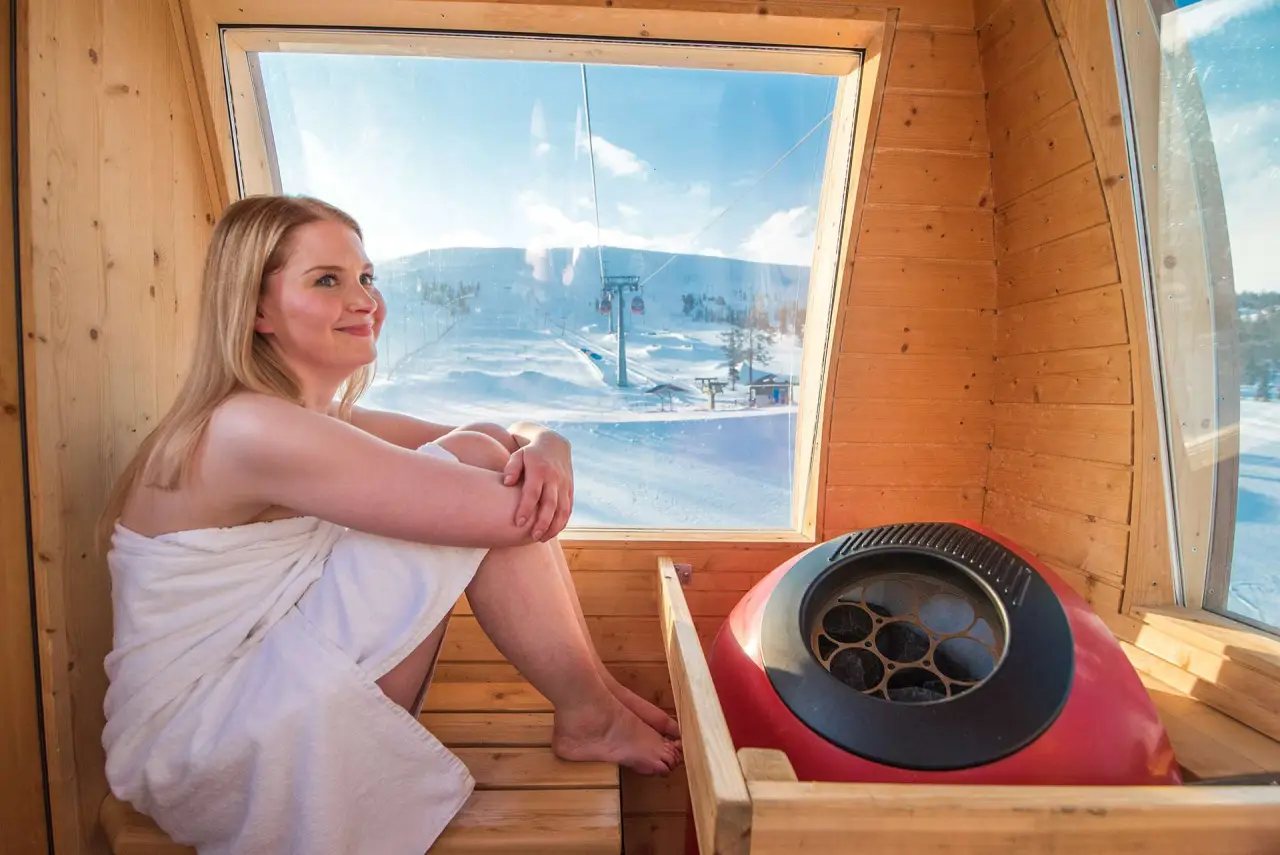
● Traditional sauna and refreshing lake swims
● Time spent in forests and nature
● Seasonal food and good company
● And, perhaps most importantly, putting the phone away for a while
“In Finland, we don’t really chase happiness – we tend to find it in small, ordinary moments,” says Heli Jimenez, Senior Director, International Marketing at Visit Finland, “When life feels overwhelming, sometimes the best way to feel better is simply to slow down, step outside and chill a little – like a Finn.”
Apply to take the challenge
Applications for the Chill Like a Finn challenge are now open. People around the world are invited to apply and explain why they could benefit from a proper summer reset.
Selected participants will travel to Finland this summer with a plus one to spend seven days learning how to truly chill like a Finn in the Finnish Lakeland, experiencing everyday rituals often linked to Finnish wellbeing, from sauna culture to long, quiet days by the water. The application period runs until 29 March 2026, after which the chosen participants will be announced.
More information about the challenge and the application process can be found on Visit Finland’s campaign website: https://www.visitfinland.com/en/chill-like-a-finn/.