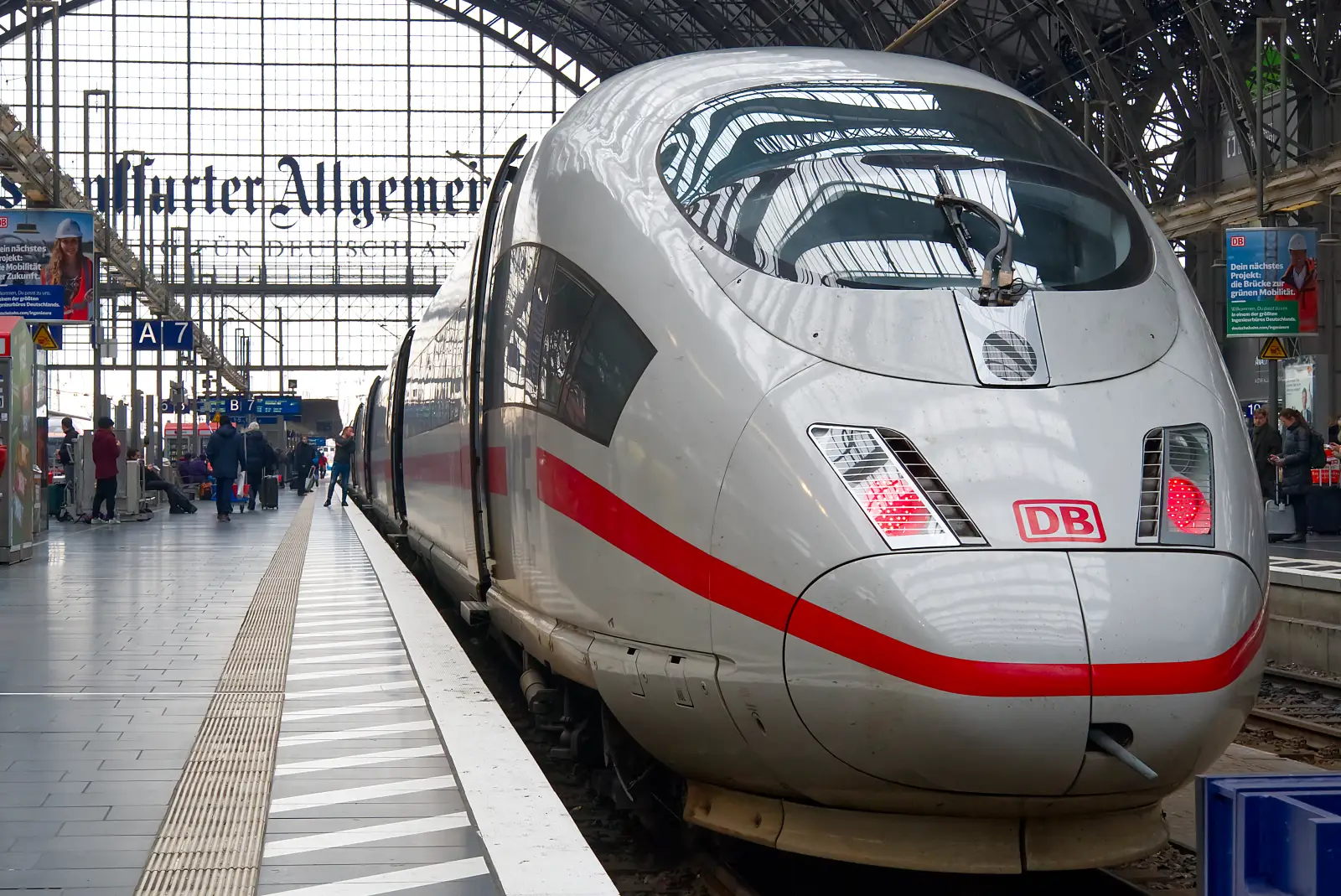
Nokia and Deutsche Bahn have launched Germany’s first commercial 5G rail network at a digital test site in the Ore Mountains, introducing a system designed to improve reliability, increase capacity, and support the next generation of smart train operations. The project, unveiled on September 15, marks the world’s first live deployment of a 1900 MHz 5G network tailored to railway standards.
The new system is compatible with the Future Railway Mobile Communication System (FRMCS), the European standard set to replace GSM-R over the coming decade. It uses a 5G standalone core that enables self-healing functions, emergency switching, and real-time monitoring. The deployment aims to accelerate automated train control, enhance intelligent maintenance, and lay the foundation for smart stations and cross-border integration.
New Technology for Rail Operations
The network went live at Deutsche Bahn’s digital rail test field in Saxony’s Ore Mountains, an established site for trialing innovations in train communications and automation. The location includes multiple radio sites, fiber connectivity, and laboratory facilities to test operational scenarios under real-world conditions. With this launch, Deutsche Bahn is positioning Germany as the first country to operate a commercial-grade FRMCS-compatible 5G rail system.
The 5G deployment builds on previous trials conducted in the 3700 MHz band and is part of a broader European program to modernize rail communications. Unlike traditional GSM-R networks, which are nearing the end of their lifecycle, the FRMCS-based 5G system is designed for long-term scalability and integration. Its advanced monitoring features allow operators to identify issues in real time, while the self-healing capabilities ensure network stability during faults.
Deutsche Bahn said the introduction of the technology is expected to reduce delays, optimize scheduling, and increase passenger and freight capacity on Germany’s heavily used rail corridors. Automated train operations, made possible by low-latency communications, are viewed as essential to handling rising demand for sustainable rail travel across Europe.
Cross-Border and Passenger Implications
The adoption of FRMCS standards is not only a national initiative but also part of a European-wide effort to unify rail communications. Cross-border compatibility is a key goal, ensuring that trains traveling between Germany, Austria, France, and other neighboring countries can operate seamlessly without communication handovers. This is particularly significant for international travelers, as it reduces risks of disruption and improves the efficiency of long-distance journeys.
While the system is primarily focused on operations and safety, its benefits are expected to extend to the passenger experience. Smart stations enabled by 5G can provide real-time travel information, smoother boarding processes, and enhanced customer service. Enhanced connectivity may also support the use of new digital tools for ticketing, journey planning, and onboard passenger communications.
Nokia, which supplies the core 5G technology, emphasized that the deployment demonstrates how next-generation networks can meet the specific needs of railway operators. The company has collaborated closely with Deutsche Bahn to tailor the system for rail environments, addressing key requirements such as high-speed mobility, uninterrupted coverage, and mission-critical reliability.
The Ore Mountains project also feeds into Deutsche Bahn’s long-term digital rail strategy. The operator plans to phase out GSM-R gradually, with FRMCS systems expected to roll out nationwide from 2026. Full migration across Germany and Europe is projected to continue through 2035, aligning with broader European Union transport digitalization initiatives.
For Germany’s travel and mobility sector, the new 5G network represents a milestone in modernizing infrastructure to meet future demand. As passenger volumes rise and rail gains prominence in Europe’s decarbonization efforts, the ability to manage trains more efficiently and reliably will be a critical factor in sustaining growth. The partnership between Deutsche Bahn and Nokia underlines the role of technology providers in shaping the future of sustainable, international travel.
Photo Credit: InFocus.ee / Shutterstock.com