Laos is on track to surpass its 2025 tourism target after welcoming more than 3 million foreign visitors in the first eight months of the year. Official data shows 3,061,928 arrivals between January and August, representing a 15% increase compared with the same period in 2024. Authorities expect total arrivals to exceed the 4.3 million-visitor target set for this year.
The sharp rise has been driven by strong demand from neighboring markets, relaxed entry rules, and expanded transport links. Thailand, Vietnam, and China remain the top three source countries, with nearly 2.5 million travelers combined. Provinces such as Luang Prabang, Vientiane, and Champasak continue to attract the majority of visitors, supported by new infrastructure and government promotion of eco- and cultural tourism.
Key Markets and Top Destinations
Thailand accounted for the largest share of arrivals with 977,675 visitors, followed by Vietnam with 790,403 and China with 750,650. Other notable markets include the Republic of Korea with 127,379 tourists and the United States with 49,934. The figures underline the importance of regional connectivity in sustaining Laos’ recovery and growth in international tourism.
Travel hotspots within the country remain consistent, with Luang Prabang’s UNESCO World Heritage sites, the capital Vientiane, and Champasak province among the leading draws. Improved infrastructure such as the Laos-China Railway, the Vientiane-Vangvieng Expressway, and upgrades to Road 13 South have strengthened accessibility to these destinations. Tourism officials credit these developments with helping spread visitor flows beyond the capital and into provincial areas.
Growth Drivers and Policy Support
Authorities attribute the momentum to a combination of relaxed entry regulations, upgraded transport systems, and targeted marketing. Campaigns in Thailand, Vietnam, and China have promoted Laos as an accessible and affordable destination, while improved road, rail, and air connections have cut travel times significantly. Enhanced advertising has further boosted awareness of the country’s cultural and natural offerings.
The government continues to position Laos as a destination for eco-tourism, adventure travel, and heritage experiences. Its mountains, river valleys, and temples appeal to travelers seeking alternatives to heavily commercialized tourism markets in the region. Initiatives also aim to support sustainable practices, balancing economic gains with environmental and cultural preservation.
Tourism authorities highlight that ongoing investments in sustainable tourism are key to ensuring long-term growth. Collaborative efforts with neighboring countries, particularly through cross-border transport projects, are expected to support rising demand. Officials emphasize improving visitor experiences while protecting natural landscapes and cultural heritage sites as central to policy objectives.
With more than 8.2 million visitors recorded in the first eight months of 2025 alone, Laos has already exceeded full-year totals from previous years. In 2023, the country welcomed 7.6 million arrivals, while 2024 saw 9.9 million. Officials believe the current growth trajectory confirms the resilience of the tourism sector and its role as a driver of the national economy.
Laos’ tourism expansion comes as Southeast Asia continues to recover from the impact of the pandemic. The country’s ability to increase arrivals at double-digit rates reflects both pent-up demand and the success of its infrastructure projects. With the year’s peak travel months still ahead, industry stakeholders expect further gains and record-breaking numbers by year-end.
As Laos moves toward exceeding its 2025 target, the challenge will be maintaining sustainable growth while ensuring infrastructure and services can keep pace with demand. Officials remain confident that the combination of upgraded transport links, regional partnerships, and strong marketing will sustain the upward trend in the years ahead.
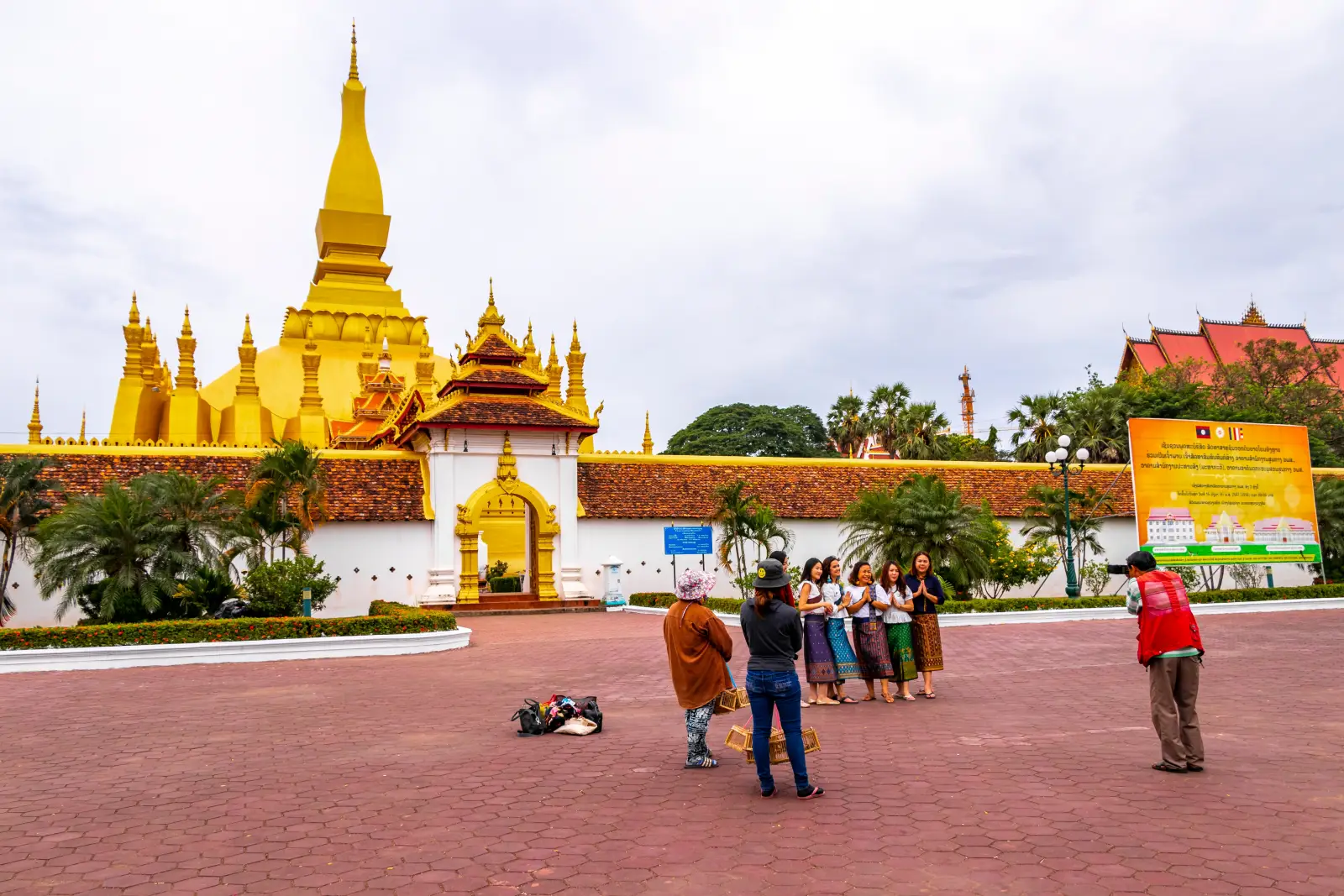
Photo Credit: Arkadij Schell / Shutterstock.com