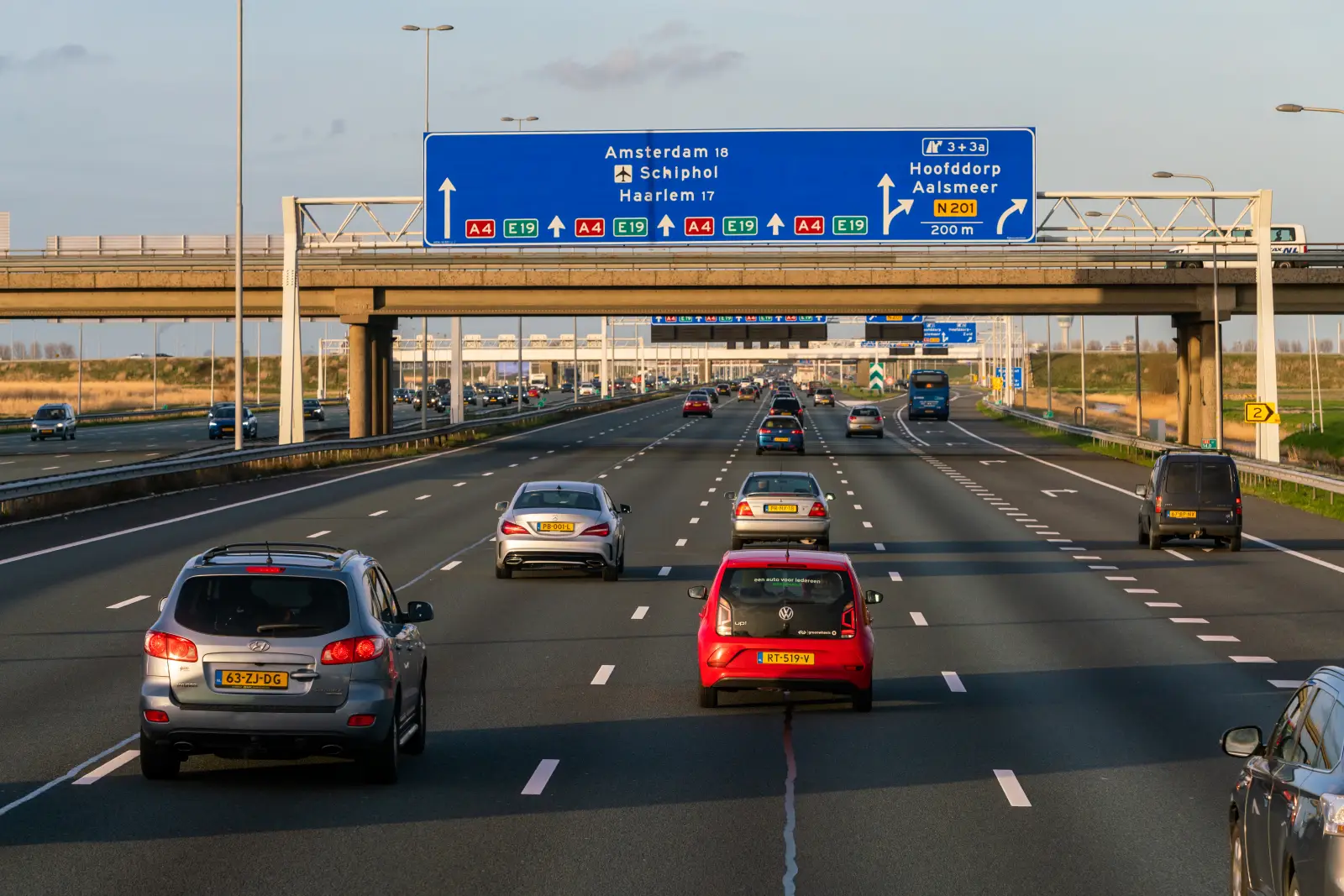
The Netherlands is increasing traffic fines from 1 January 2026, with sharply higher penalties for offenses including mobile phone use while driving, illegal parking and speeding, under government plans now awaiting parliamentary approval.
The revised fine structure is designed to reflect rising costs and will apply nationwide, affecting both residents and visitors driving in the country. The increases include some of the highest penalties in Europe for common traffic violations.
The new fines will take effect at the start of 2026 and come amid wider changes to road enforcement policy in the Netherlands.
While lawmakers voted in October 2025 to end the automatic indexation of fines to inflation in the future, that change will not apply to the 2026 adjustments, allowing the planned increases to proceed as scheduled.
Higher penalties target phone use, parking and speeding
The steepest increases apply to violations considered particularly dangerous. Drivers caught holding a mobile phone while driving will face a fine of €440 under the new rules, one of the highest penalties of its kind in Europe. Running a red light or overtaking on the right will each carry a fine of €320.
Illegal parking in spaces reserved for people with disabilities will also become significantly more expensive. Parking in a general disabled parking space will incur a €400 fine, while parking in an individually designated disabled space will incur a €500 fine.
Smaller but still notable increases apply to a range of minor offenses. Unnecessary use of the horn and failure to wear a seatbelt will both attract higher fines than before, reflecting the government’s aim to tighten enforcement across all categories of road safety.
Speeding penalties will rise across the board. Driving 10 kilometers per hour over the limit in built-up areas will cost €95, while the same offense on a motorway will result in a €84 fine. Higher-speed violations will continue to escalate steeply under the existing graduated system.
What visiting drivers need to know
The fine increases are particularly relevant for international travelers, as the Netherlands is a popular destination for road trips, campervan travel and cross-border driving from neighboring countries.
Foreign drivers are not exempt from enforcement, and fines of €70 or more issued in the Netherlands can be enforced in Germany and other EU countries through cross-border cooperation agreements.
While penalty points or driving bans imposed in the Netherlands do not transfer to other countries, financial penalties remain enforceable. Authorities warn that ignoring a fine can lead to substantial additional costs. If a payment is missed, the fine can increase by 50% at the first reminder and be doubled if it remains unpaid.
The Dutch government has said the increases are intended to align fines with rising administrative and enforcement costs, as well as to reinforce road safety. Officials have emphasized that the changes are not limited to locals and apply equally to tourists and business travelers driving rental cars or private vehicles.
In October 2025, the Dutch parliament approved a motion to prevent future automatic linking of traffic fines to inflation. However, that policy shift does not affect the 2026 increase, meaning drivers will see the higher rates take effect as planned at the start of the year.
For travelers planning to drive in the Netherlands in 2026, the changes underscore the importance of understanding local traffic rules before setting off. Mobile phone use behind the wheel, even briefly, carries particularly severe penalties, while parking violations and modest speeding offenses can quickly add significant costs to a trip.
Authorities advise drivers to pay fines promptly if issued and to remain aware of local signage, speed limits and parking regulations. With enforcement set to remain strict, the new fine structure is expected to have a direct impact on travel costs for visitors who choose to explore the Netherlands by car.
Photo Credit: Ewa Studio / Shutterstock.com