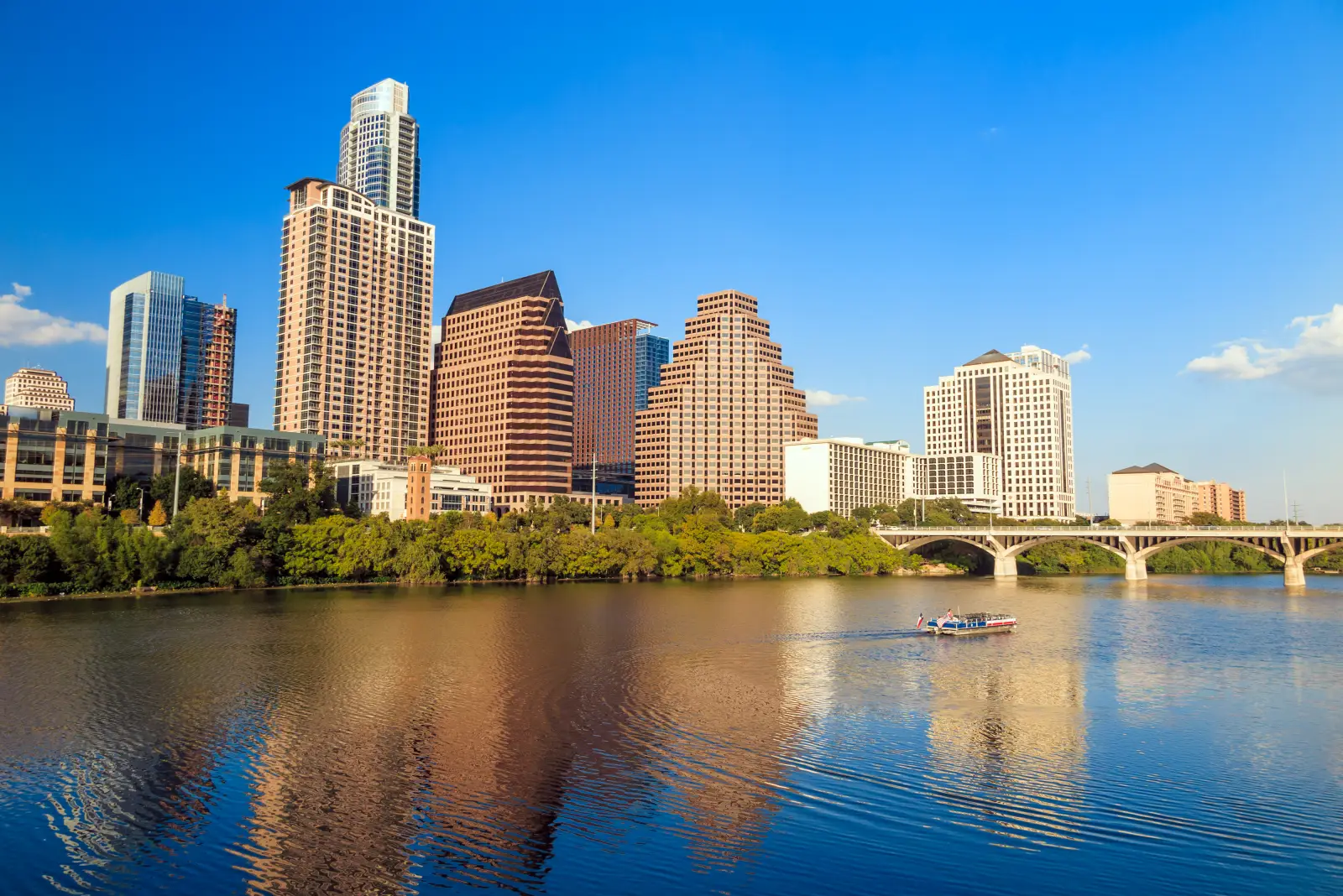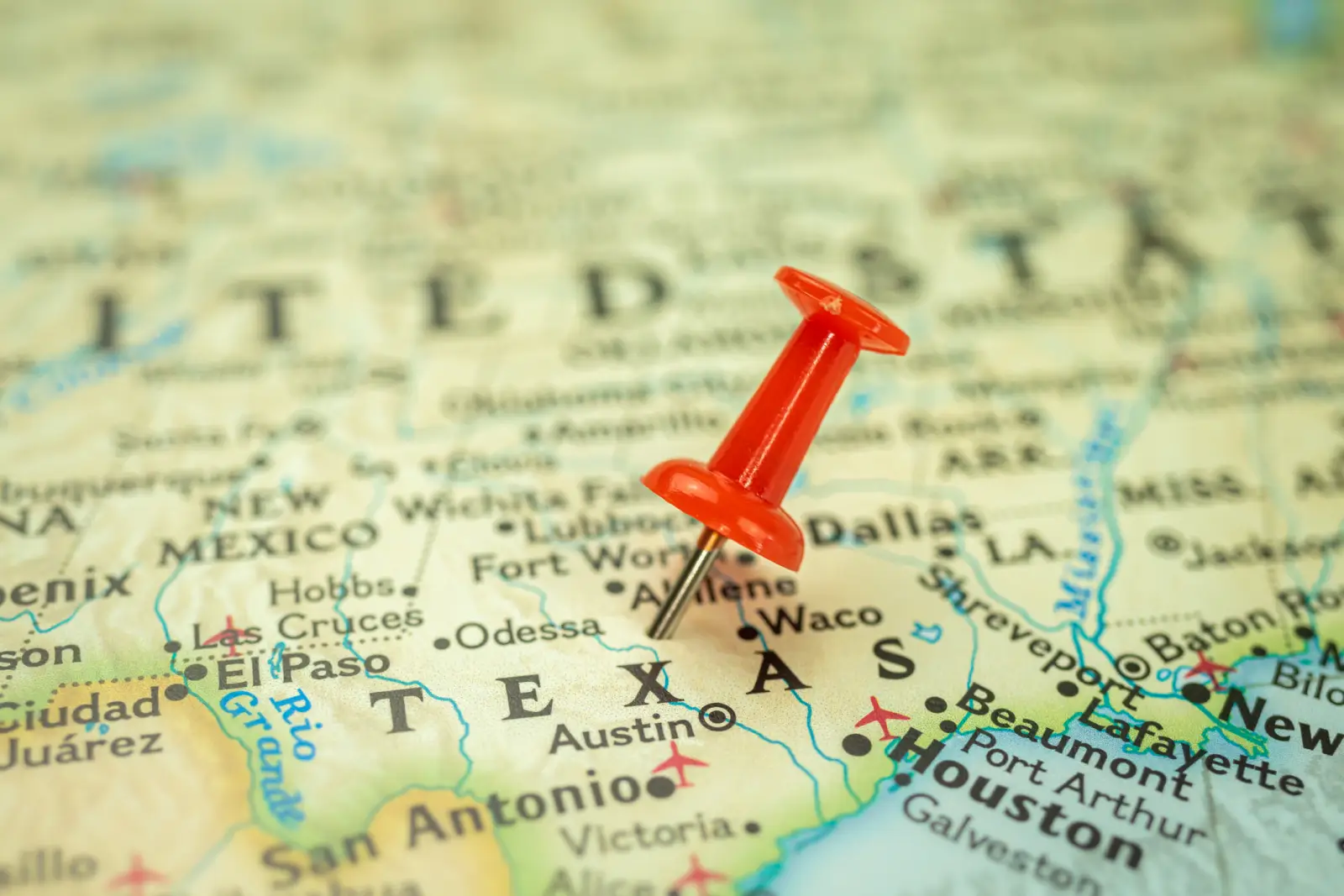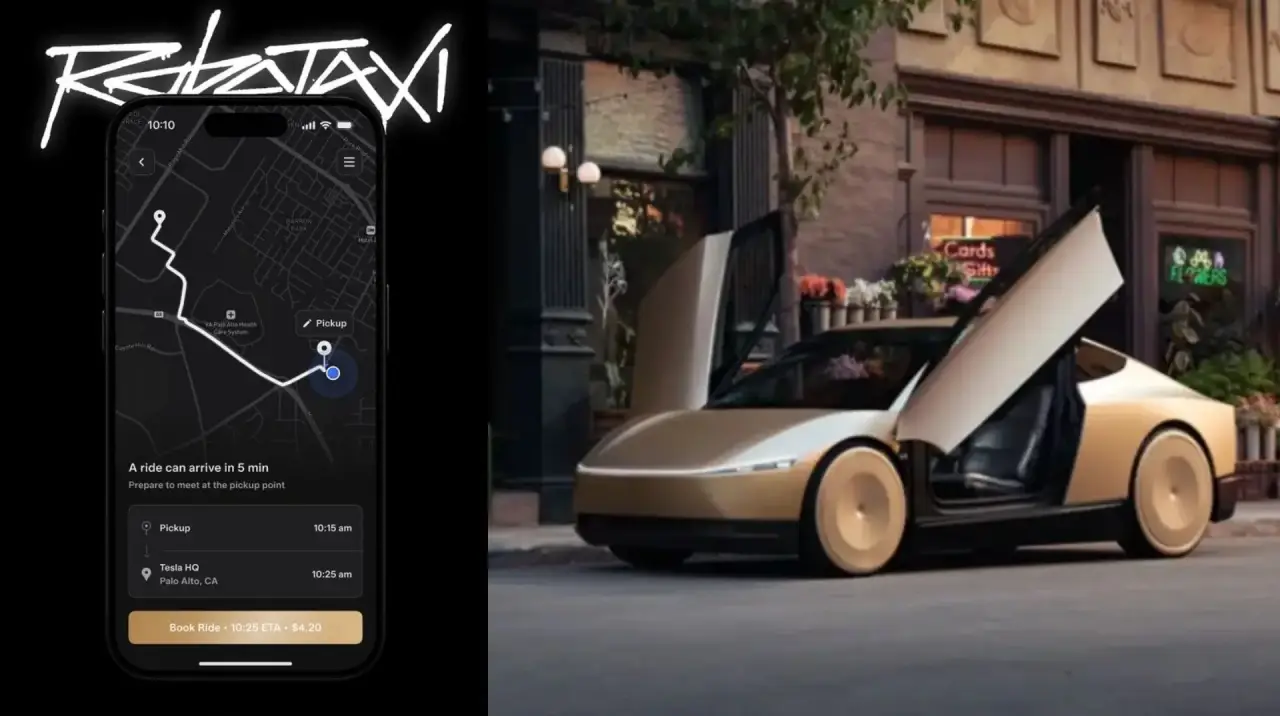
Tesla has publicly launched its robotaxi app in Austin, Texas, allowing registered users to request autonomous rides for the first time outside of controlled trials.
The move marks a significant shift in Tesla’s business strategy as the company faces declining electric vehicle sales and intensifying market competition.
The new service enables passengers to summon a self-driving Tesla via the app, verify their identity, and begin a fully automated trip without a driver. Rides currently start at approximately $4.20 per trip. Passengers can control features such as interior temperature, music, and seat position using the app, eliminating the need for steering wheels or pedals in some vehicle models.
From Trials to Public Deployment
Until now, Tesla’s robotaxi service had been limited to small-scale testing. The Austin rollout is the first public deployment of the app, indicating a broader strategic pivot. Tesla has also unveiled prototypes of future robotaxi models, featuring minimalistic interiors without driver controls and designed for two passengers.
Initial feedback from users describes smooth and human-like driving performance, with some completing up to 20 rides in 36 hours without incident. Tesla CEO Elon Musk highlighted these early experiences as evidence of the maturity of the company’s Full Self-Driving (FSD) system.
Autonomy Beyond Passenger Trips
In a symbolic demonstration of Tesla’s autonomous capabilities, a Model Y recently drove itself from a factory to its owner’s home, navigating highways, urban streets, and intersections without human input. The company envisions a future in which Teslas function as an on-demand robotaxi fleet, picking up passengers or owners autonomously.
Prototypes of new robotaxi units have no traditional controls and reflect a move away from private car ownership toward shared, fully autonomous transport. Tesla’s shift comes at a time when the company is emphasizing automation and robotics, including its humanoid Optimus robots, positioned for industrial and domestic roles.
International Testing and Market Challenges
Although the robotaxi app is currently active only in Austin, Tesla has conducted autonomous driving tests in Europe. In Madrid, a Model 3 equipped with FSD drove autonomously through major city landmarks. While these tests are seen as successful, regulatory approvals for wider deployment in Europe are still pending.
The robotaxi initiative coincides with Tesla’s declining EV market share, which dropped to 38% in August—its lowest since 2017, according to Cox Automotive. The Model 3 and Model Y, once leaders in global electric mobility, are facing decreased demand, while newer models like the Cybertruck have yet to gain traction.
At the same time, competitors such as Hyundai, Kia, Toyota, and several Chinese brands are gaining ground with more affordable EV options. Political controversies and Elon Musk’s public alignment with former President Donald Trump have also contributed to brand perception challenges.
Despite risks, Tesla is betting on a future led by autonomous transport and robotics. The company is cutting investment in lower-cost EV development in favor of scaling its robotaxi and robotics platforms. Tesla’s valuation remains closely tied to the success of these emerging technologies.
The public launch of the robotaxi app signals a fundamental shift in Tesla’s identity—from electric vehicle manufacturer to autonomous mobility and robotics innovator. Whether this bet pays off will depend on technology adoption, regulatory approval, and consumer trust.