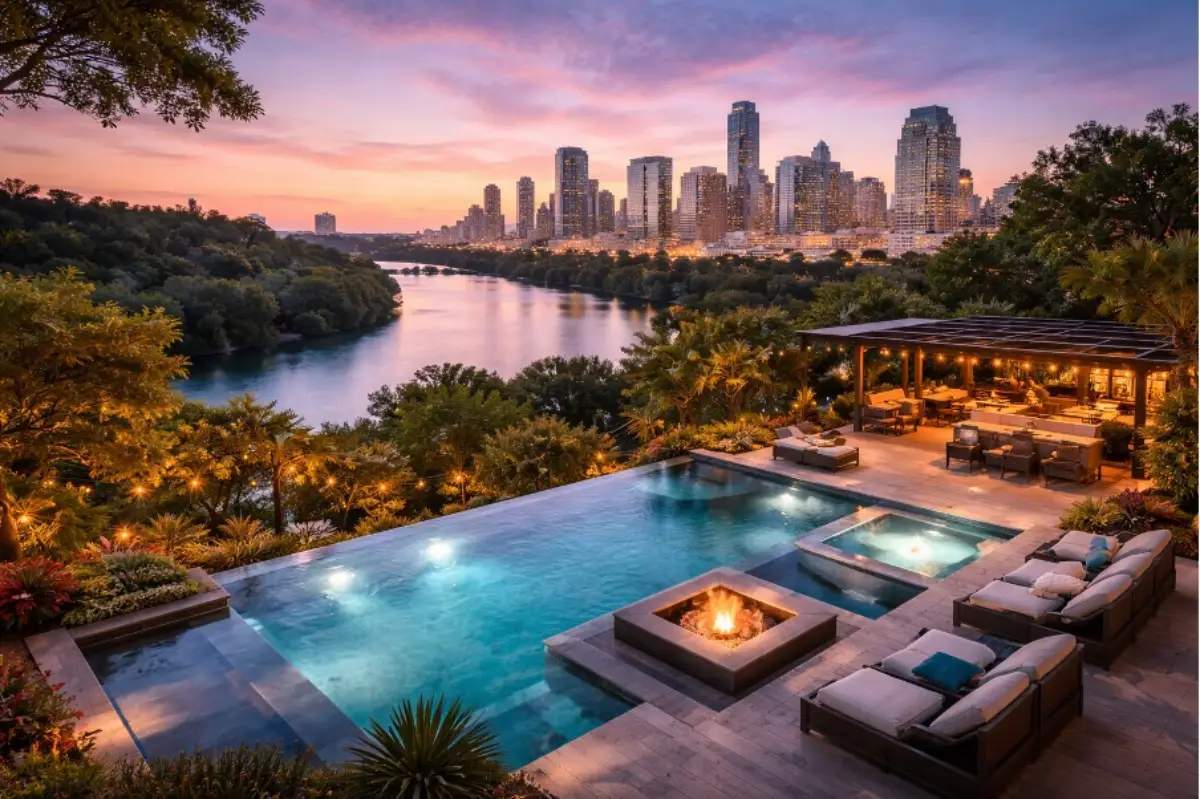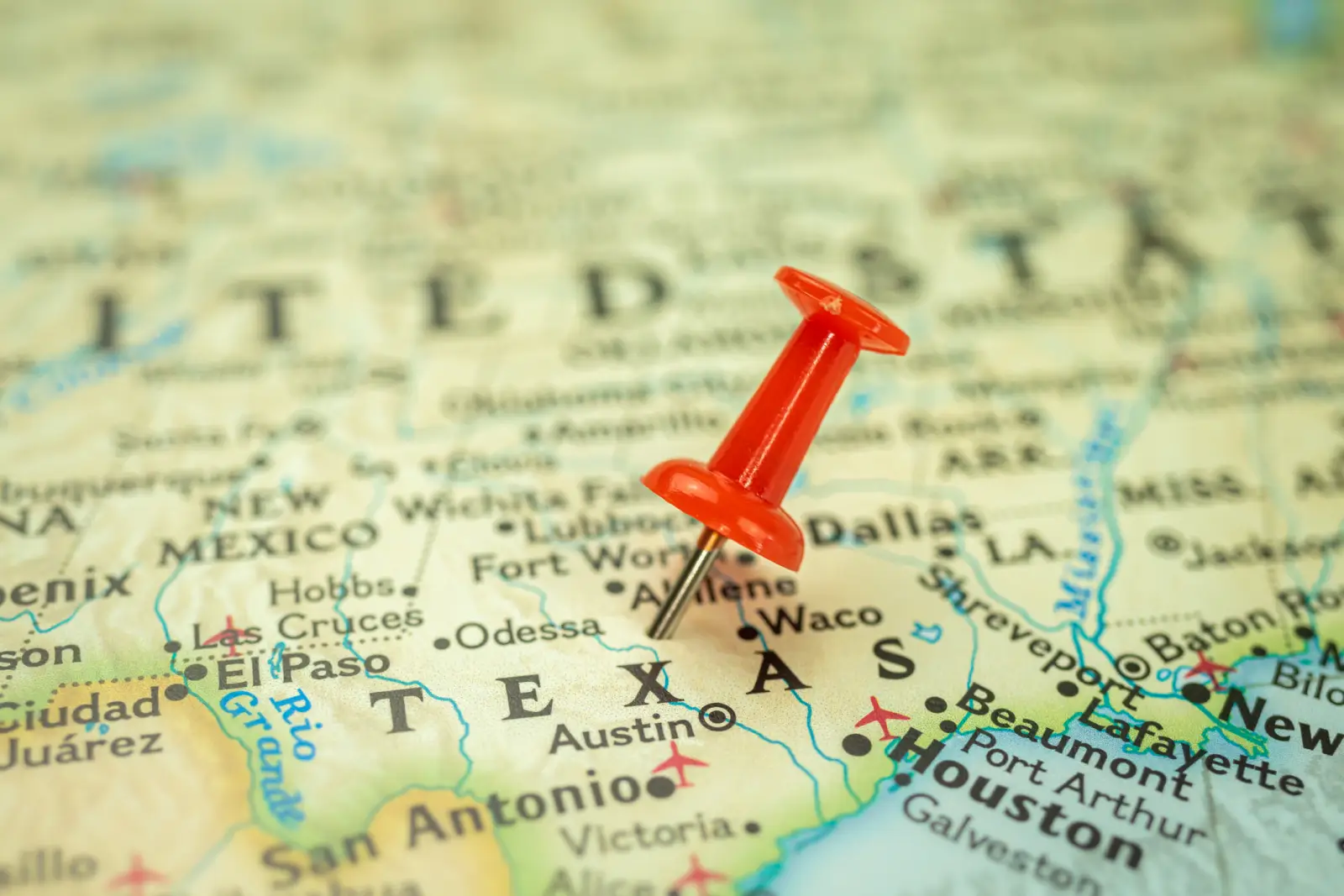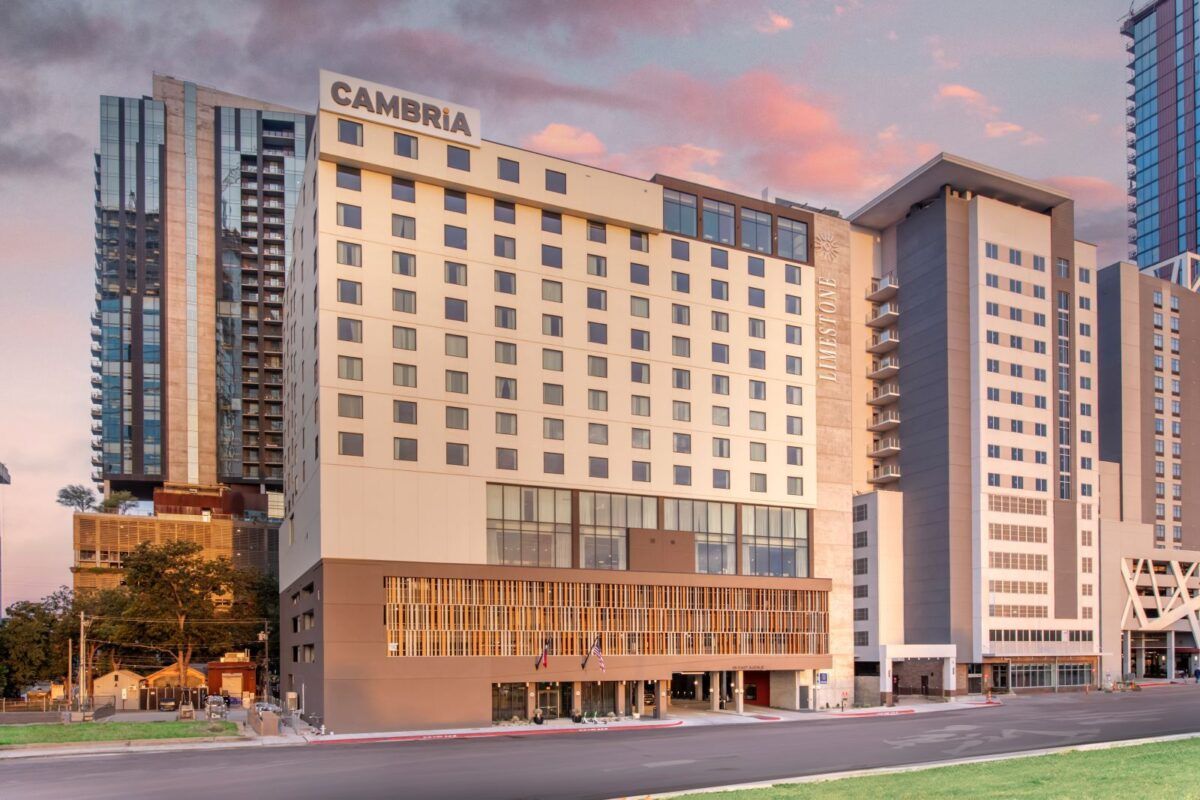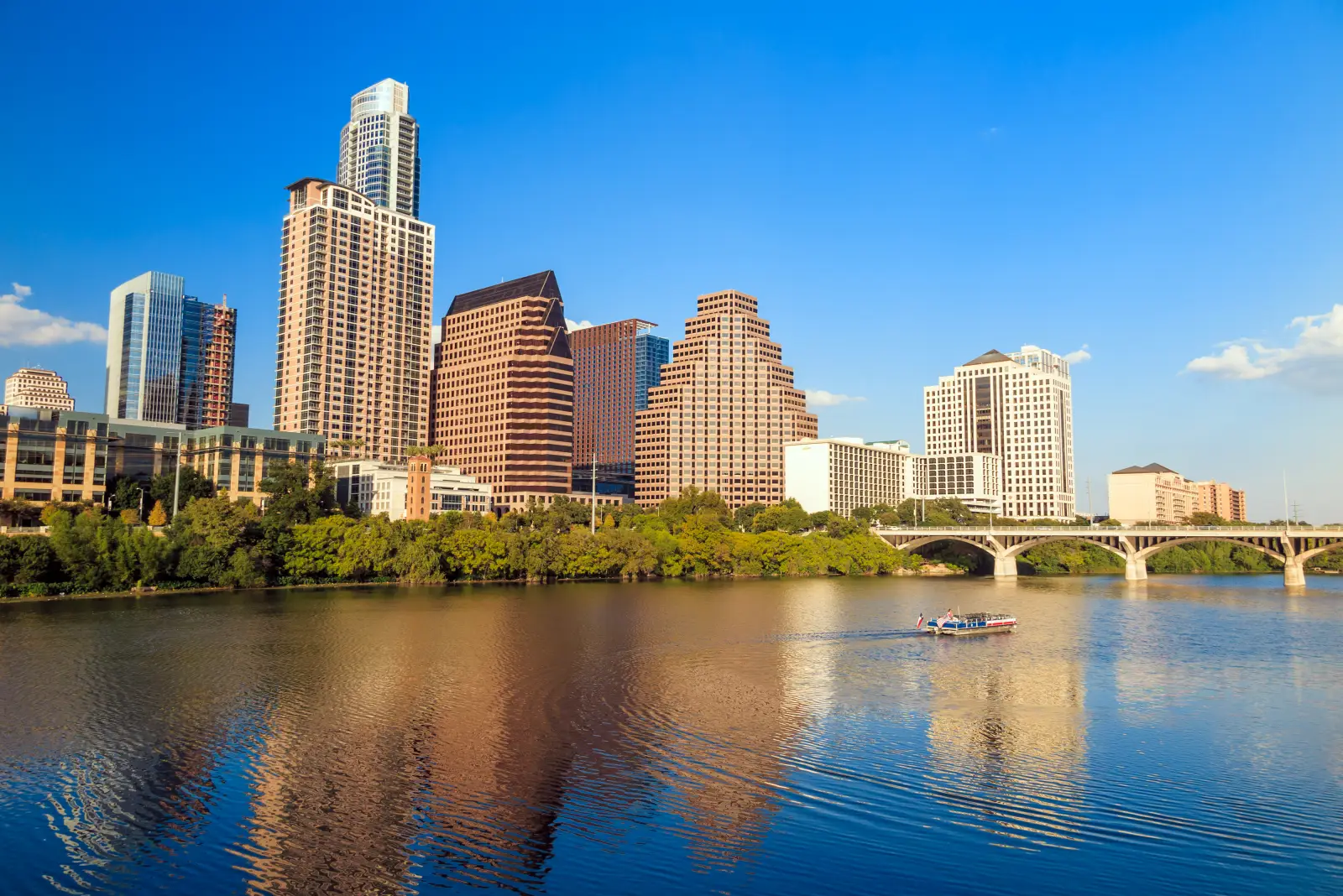
Austin has evolved from a quirky college-and-capitol town into one of North America’s most compelling hubs for meetings, incentives, conferences, and events. Fueled by a dynamic tech economy, an award-winning culinary scene, and a brand built on creativity, the Texas capital offers business travelers and event planners a rare blend of serious infrastructure and laid-back soul.
Why Austin Works for MICE
Access & Mobility. Austin–Bergstrom International Airport connects major U.S. and select international gateways, with frequent service that suits short-notice corporate travel. Downtown is a simple rideshare from the terminal, and once you’re in the core, many venues, hotels, and entertainment districts are walkable.
Compact Convention Core. The city’s convention footprint is concentrated around the Austin Convention Center and the Rainey/2nd Street districts, making it easy for delegates to move between plenaries, breakouts, and evening events without long transfers. Rooftop spaces, urban greenbelts, and waterfront patios give organizers memorable alternatives to ballroom-only programming.
Creative Talent Pool. From AV specialists to live bands, Austin’s supplier ecosystem is unusually deep. Hybrid-ready production teams, indie artists, and culinary partners accustomed to pop-ups and festivals help planners deliver polished experiences that still feel authentically Austin.
Hospitality with Personality
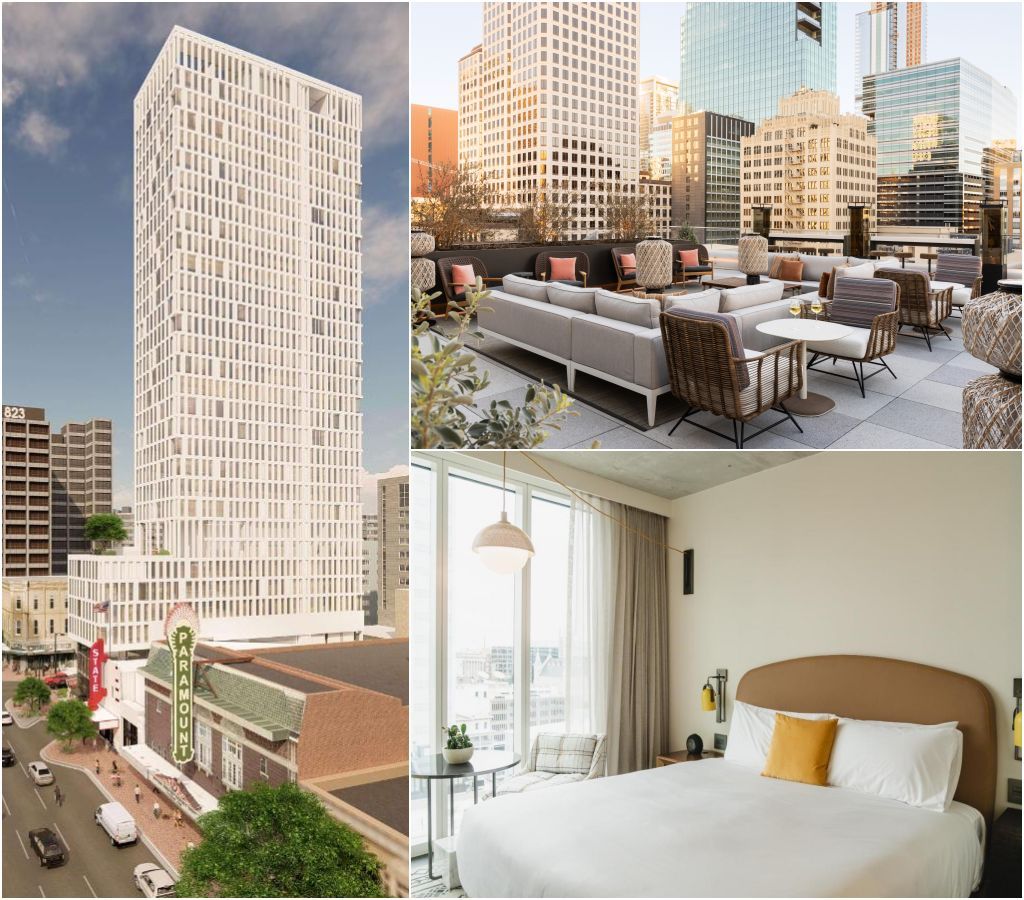
Austin’s lodging scene runs from design-forward boutiques to major convention properties. For high-touch delegations, VIP hosting, or incentive winners, consider a single-night upgrade at an Austin 5-Star Luxury Hotel to anchor the program with premium service, top-tier dining, and spa/wellness options that help travelers reset between sessions.
Neighborhoods to Know
- Downtown & 2nd Street: Best for walkable business trips—easy access to the Convention Center, Lady Bird Lake trails, and restaurant rows ideal for client dinners.
- Rainey Street: Bungalow bars turned cocktail venues create relaxed receptions; weekday afternoons are quieter for private buyouts.
- South Congress (SoCo): Iconic storefronts, upscale boutiques, and photo-ready views of the capitol skyline. Great for incentive free time and brand activations.
- East Austin: A canvas for creative offsites—murals, chef-driven eateries, and flexible warehouses that convert to gallery-style receptions.
Food, Music, and After-Hours Ideas
Austin’s culinary identity stretches well beyond brisket. Planners can showcase the city with progressive dinners—think tacos and natural wine on the East Side, modern Texas cuisine downtown, and dessert food-truck finales. For entertainment, pair a listening-room set or songwriter round with a moderated Q&A on Austin’s music history—engaging content that stays at conversation level so teams can network.
Team-builders that aren’t cheesy: small-group mural tours and photo walks, bat-watching cruises under the Congress Avenue Bridge, or morning paddle sessions on Lady Bird Lake followed by healthy breakfast pop-ups.
Sustainability & Wellness
Delegates increasingly expect wellness baked into agendas. Austin makes it easy:
- Start days with optional guided runs on the Ann and Roy Butler Hike-and-Bike Trail.
- Choose venues that support waste diversion and local sourcing.
- Offer “quiet corners” or mindfulness breaks; many hotels now provide yoga mats and in-room fitness kits.
48 Hours for the Business Traveler
Day 1 (Arrival & Alignment)
Check in near the Convention Center and take a sunset stroll along the lake to shake off cabin fever. Host a welcome reception on a rooftop or terrace, featuring local bites (smoked trout dip, seasonal veggie boards) and a short set from a local guitarist—volume low, ambience high.
Day 2 (Meetings & Momentum)
Run back-to-back sessions in the morning; keep the afternoon for site visits with Austin startups, university labs, or public-sector innovation teams. Close with a private dining room downtown—family-style service speeds the meal and boosts conversation. Nightcap on Rainey for those who want it; others can turn in early for a sunrise wellness session.
Day 3 (Content & Culture)
Host workshops in creative spaces on the East Side, then schedule small-group “choice time”: a museum visit, a coffee roastery tour, or a guided mural crawl that ends at the airport transfer point. Depart with decks and deliverables already shared via a branded microsite.
Practical Tips for Planners
- Music licensing: If you’re leaning into the live-music brand, confirm rights and sound limits; many venues are residential-adjacent.
- Weather contingency: Outdoor patios are a draw, but Texas weather swings. Reserve indoor rain (or heat) backups in contract.
- Move-in efficiency: Downtown streets can be tight—coordinate loading docks and elevator windows early.
- Local partners: Work with community nonprofits for CSR add-ons (school supply kits, urban-trail cleanups) that align with ESG goals.
Austin wins because it delivers credible business outcomes wrapped in a city that rewards curiosity. Attendees can step out of a keynote and, five minutes later, be tasting inventive Tex-Mex, catching a set from tomorrow’s headliner, or watching the sun drop behind the skyline from the lakeside trail. For planners, that means higher engagement, better attendance, and agendas that people are genuinely excited to share—before, during, and long after the meeting.
Photo Credit: f11photo / Shutterstock.com