Fans in China and India, whose combined population hits a staggering 2.88 billion people, might have no way of watching the 2026 World Cup this summer due to broadcasting rights disputes as reported by Reuters.
Tuning into the biggest spectacle in soccer is already going to be difficult for certain fans across the world. Extreme time differences mean that matches in North America kick off in the middle of the night for countries in Asia. Most matches will start between midnight and 7am in Asia but rest assured football fans will be setting their alarms to get up in time to watch the live matches.
However, fans in China and India currently will not have chance to watch the World Cup matches which is just five weeks away, as neither country has a broadcast agreement in place.
Reuters had reported that a Reliance-Disney joint venture in India offered $20 million for World Cup rights, but FIFA, who initially sought $100 million, struck down the bid. Now, the FIFA has reportedly dropped its asking price to $60 million, the same amount Reliance secured the broadcasting rights for the 2022 World Cup.
For the last two World Cups, Chinese state broadcaster CCTV secured the exclusive broadcasting rights and had promotional content and sponsorships in place well in advance. For the 2026 edition, China is still without a deal, which is considered “unusual” at this stage.
FIFA released the following statement to Reuters regarding the lack of progress in both India and China: “Discussions in China and India regarding the sale of media rights for the FIFA World Cup 2026 are ongoing and must remain confidential at this stage.”
FIFA confirmed China accounted for 49.8% of all viewing hours on digital and social platforms during the 2022 World Cup. In terms of television audiences, China accounted for 17.7% and India 2.9%, combining for 22.6% of total global reach for the Qatar edition of the competition.
Broadcasting agreements secured with 175 countries
FIFA already has broadcast agreements with 175 countries locked in ahead of the World Cup. FOX Sports holds the rights in the U.S., while BBC Sport and ITV share the honour in the U.K. In Australia, SBS is the home of the tournament, as is Match TV in Russia.
In Malaysia, Radio & TV Malaysia (RTM) and Unifi TV have won the broadcasting rights whilst Singapore’s MediaCorp secured exclusive broadcasting rights.
However, the unsociable match times have been a deterrent for prospective rights bidders in some Asian countries. They fear low viewership numbers could limit their ability to attract commercial sponsors. This may be in the case of for China and India.
Bangkok Post reported that Thailand’s Prime Minister Anutin Charnvirakul has pledged to ensure Thais can watch the 2026 World Cup next month. He was responding to public concern about a possible repeat of the events of 2022 when disputes over broadcast rights resulted in millions of people being unable to view some matches.
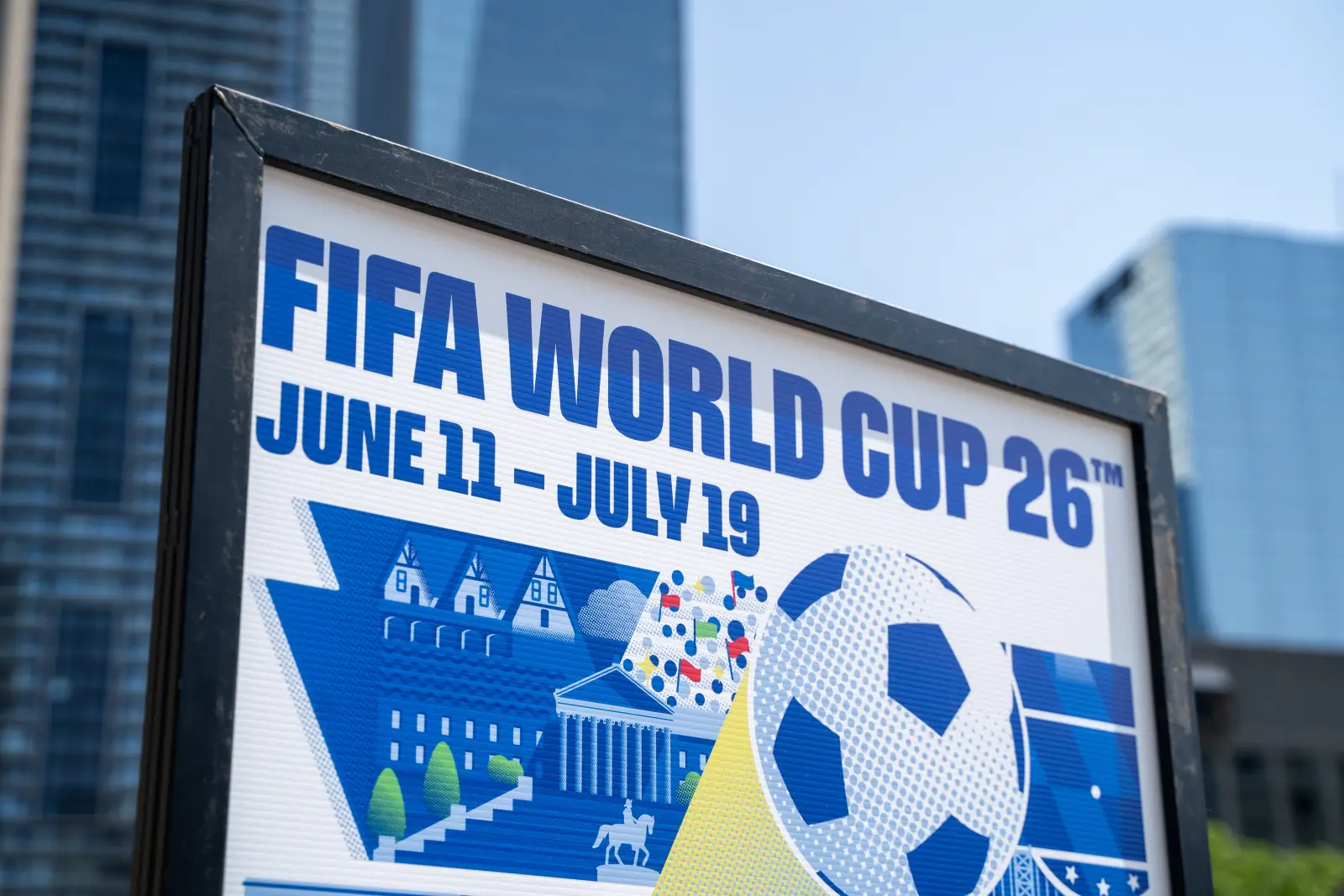
Whatever deals might happen, they must happen rather quickly, considering the World Cup kicks off on June 11. There is not much time for back-and-forth negotiations, finalising deals, selling advertisements and more before all the action unfolds.
Photo Credit: Erman Gunes / Shutterstock.com