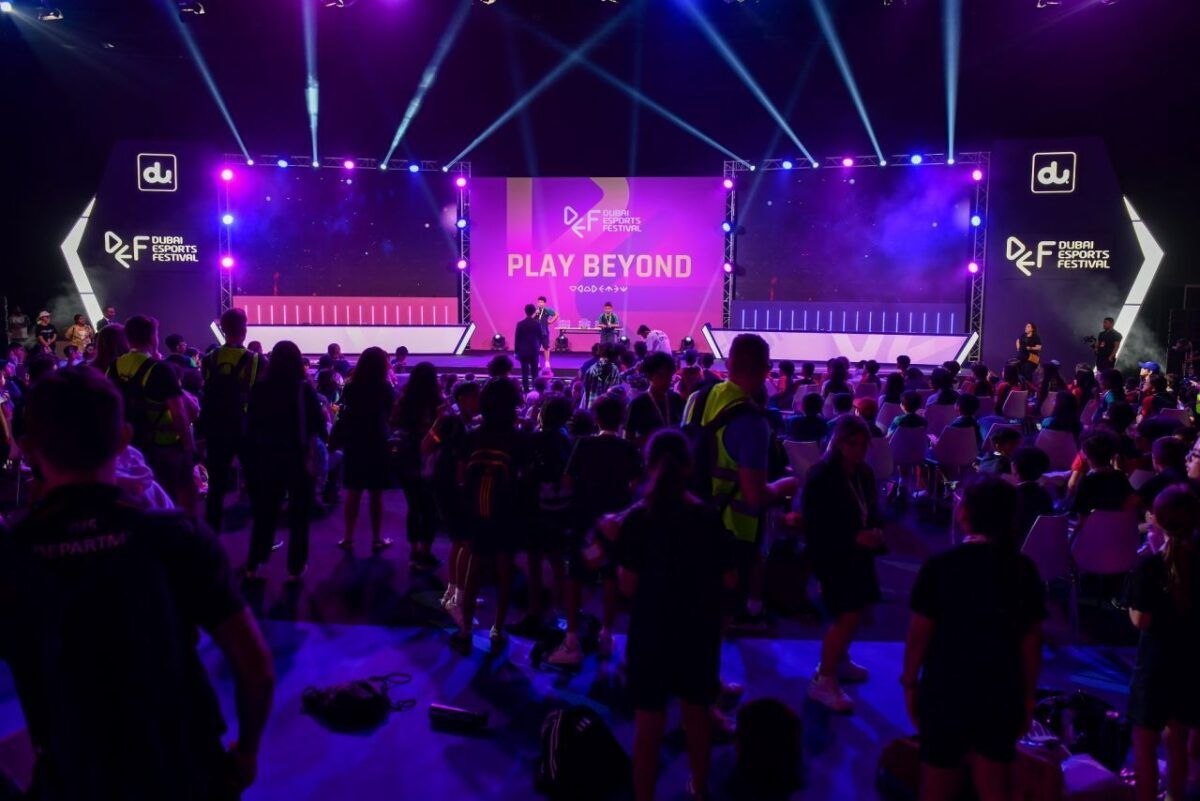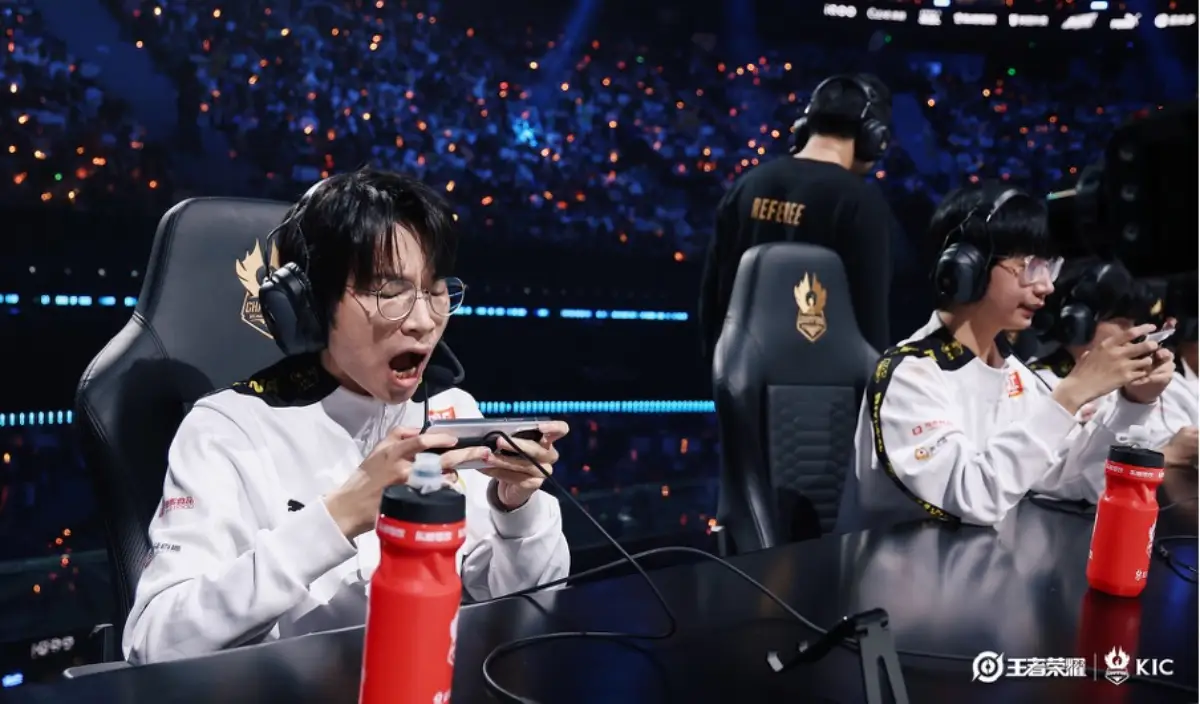
The evolution of mobile esports has fundamentally transformed the gaming landscape, offering competitive experiences to millions globally in ways previously unimaginable. Unlike traditional PC or console esports, which often require expensive hardware, specific software, and dedicated gaming setups, mobile esports can be accessed instantly on smartphones, allowing users to compete anytime, anywhere. This accessibility is not only democratizing competitive gaming but also cultivating a generation of gamers who are highly adaptive, socially connected, and strategically skilled. Furthermore, mobile esports is redefining the notion of what it means to be a gamer, integrating entertainment with skill development, cognitive growth, and community engagement. The rapid expansion of mobile esports tournaments, leagues, and global events is also influencing lifestyle patterns, professional aspirations, and even educational opportunities, signaling a new era where gaming is intertwined with personal and professional growth.
Accessibility and Global Reach: Gaming for Everyone
One of the most profound impacts of mobile esports lies in its accessibility. Smartphones have become nearly universal, making it possible for millions of people to engage in competitive gaming without investing in costly gaming rigs or specialized equipment. Popular titles like Mobile Legends: Bang Bang, PUBG Mobile, Call of Duty: Mobile, and League of Legends: Wild Rift are designed to run smoothly across a variety of devices, offering an inclusive environment for players across socioeconomic backgrounds. This accessibility allows teenagers, college students, and working professionals to participate in esports competitions and casual matches alike, fostering a global gaming community that transcends geographical boundaries.
The mobile format is also nurturing competitive skills among casual gamers. Daily challenges, seasonal rankings, and online tournaments motivate players to improve their reaction times, teamwork, and strategic planning. Aspiring esports athletes can now monitor professional games, tactics, and meta shifts in real-time. Platforms like dota 2 live score allow players to track ongoing tournaments, analyze performance statistics, and gain insights into competitive strategies. By comparing personal performance metrics with professional standards, young gamers cultivate analytical thinking and situational awareness, skills that extend beyond the game itself. Moreover, the global reach of mobile esports ensures that players can participate in international competitions, connect with peers from different cultures, and experience diverse gaming strategies, broadening both social and cognitive horizons.
Skill Development and Cognitive Growth: More Than Just Fun
Mobile esports is not merely a form of entertainment; it is a sophisticated platform for cognitive and skill development. Fast-paced mobile games demand quick reflexes, precise hand-eye coordination, and the ability to make split-second decisions under pressure. Players must evaluate complex scenarios, predict opponents’ strategies, and adapt their gameplay dynamically. Such sustained engagement improves critical thinking, memory retention, problem-solving abilities, and multitasking skills. Studies have shown that competitive gaming can enhance neural connectivity in areas responsible for attention, spatial reasoning, and executive function, suggesting that mobile esports may have measurable benefits on cognitive development.
Team-based mobile games further contribute to social intelligence and collaborative problem-solving. Players often assume distinct roles within a team, such as strategists, attackers, defenders, or support, which requires careful coordination and communication. Effective communication during gameplay promotes leadership skills, conflict resolution, and the ability to manage stress in high-stakes environments. For example, in games like Clash Royale or Arena of Valor, players must adjust strategies mid-match, balancing offense and defense while maintaining synergy with teammates. These experiences mirror real-life professional and academic scenarios, where collaboration and strategic thinking are crucial. Mobile esports thus acts as an informal training ground for the next generation, equipping them with cognitive and social skills applicable in school, work, and daily life.
Social Connectivity and Community Building: Beyond the Game
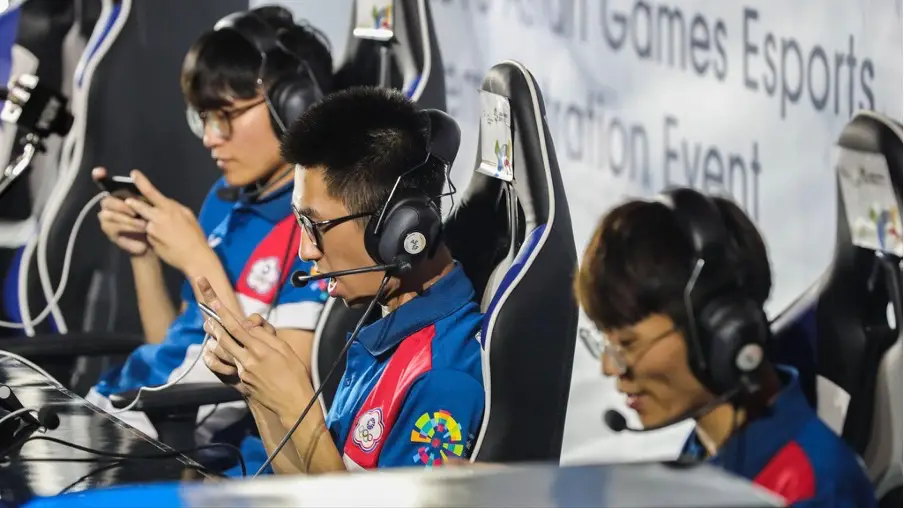
Another transformative aspect of mobile esports is its social dimension. Unlike traditional gaming, which could be solitary or limited to small groups, mobile esports fosters widespread community engagement. Gamers interact through in-game chat, voice channels, social media, and online forums, building friendships that often transcend the virtual environment. This level of social connectivity promotes emotional intelligence, empathy, and interpersonal communication skills. Community-driven initiatives, fan groups, and local meetups also encourage collaborative learning and peer mentorship, strengthening social bonds among young gamers.
Mobile esports communities also create pathways for fan engagement and professional growth. Fans follow competitive players, discuss tactics, and participate in community challenges. The presence of real-time updates and live match tracking, such as those available through dota 2 live score, enables players to stay informed about tournaments, monitor rankings, and analyze professional gameplay. By fostering these interactions, mobile esports helps young players develop a sense of belonging, shared identity, and collaborative problem-solving, all of which are crucial for social development in a digitally interconnected world.
Career Opportunities and Professional Growth: Turning Passion Into Profession
Mobile esports has grown beyond casual play into a viable professional ecosystem, offering a variety of career paths. Players can aspire to become professional competitors, streamers, content creators, coaches, or analysts. The industry is also expanding into event management, marketing, and technological development, creating job opportunities across sectors. Young gamers are increasingly aware of branding, self-promotion, and networking, skills that are essential for establishing a professional presence in esports.
The financial and professional incentives are significant. Competitive players earn sponsorships, prize money, and streaming revenue, often rivaling traditional sports incomes. This encourages dedication, discipline, and strategic planning. Platforms and tournaments also promote transparency in rankings, stats, and performance metrics, allowing players to benchmark themselves against global standards. Real-time platforms like dota 2 live score provide both fans and aspiring pros with insight into team compositions, strategies, and live updates, helping young gamers make informed decisions about their training and gameplay strategies. Mobile esports, therefore, is not only shaping players’ gaming skills but also influencing their career choices and professional development.
Bridging Traditional and Modern Gaming Cultures: A New Era of Esports
Mobile esports has effectively bridged the gap between traditional gaming cultures and modern digital experiences. It connects casual gamers to competitive environments, providing access to global tournaments without significant financial or technological barriers. Players who start with mobile titles often transition to PC or console esports, bringing with them valuable skills, strategic insights, and competitive experience. This cross-platform movement strengthens the overall esports ecosystem and encourages a more inclusive and dynamic gaming culture.
By integrating mobile gameplay into mainstream esports, the industry fosters a new generation of gamers who are versatile, adaptive, and globally connected. The accessibility, social engagement, and skill-building aspects of mobile esports equip players to thrive in both digital and real-world competitive arenas. As mobile esports continues to innovate with new formats, tournaments, and interactive experiences, it will remain a key driver in shaping the habits, skills, and aspirations of modern gamers.
Conclusion
Mobile esports is redefining the way young generations engage with games, learn, and interact socially. It combines accessibility, cognitive development, community building, and professional opportunities, creating a comprehensive ecosystem for skill growth and entertainment. Platforms like dota 2 live score enable real-time tracking, analysis, and engagement with professional gameplay, providing young gamers with tools to develop both strategically and socially. As mobile esports continues to grow, it will play an increasingly pivotal role in shaping the next generation of gamers, influencing career choices, lifestyle habits, and digital communities, while bridging traditional and modern gaming cultures into a unified, global ecosystem.