The ongoing U.S. government shutdown is disrupting national parks, slowing aviation operations, and threatening the broader tourism industry as the federal funding lapse enters its fifth day.
Airlines, airport security agencies, and park services are maintaining limited operations but warn that service reductions and economic losses could worsen if the impasse continues.
The shutdown, which began on 1 October after Congress failed to pass a federal budget, has led to the furlough of thousands of employees in key travel-related agencies. Essential workers, including air traffic controllers and Transportation Security Administration (TSA) agents, remain on duty without pay, prompting warnings from industry officials about growing strain on travel infrastructure across the United States.
National Parks Scale Back as Visitors Face Closures
Across the country, the National Park Service (NPS) has partially closed operations, leaving many visitor centers shuttered and essential maintenance delayed. According to The Guardian, approximately 9,300 of the agency’s 14,500 employees have been furloughed, forcing local managers to rely on minimal staff to handle visitor safety and sanitation.
“Not sure what’s happening” has become a common refrain among tourists as popular destinations such as Yosemite, Zion and Yellowstone face unpredictable closures or restricted access due to staff shortages and uncollected waste. The impact extends to nearby towns that rely on park tourism, with hospitality operators reporting cancellations and revenue losses during one of the busiest autumn travel periods.
In Washington, D.C., several federally managed attractions, including monuments and museums along the National Mall, are operating with limited hours or entirely closed to the public. The Smithsonian Institution has warned that extended funding lapses could lead to additional shutdowns in the coming week if no resolution is reached in Congress.
Aviation Sector Under Pressure
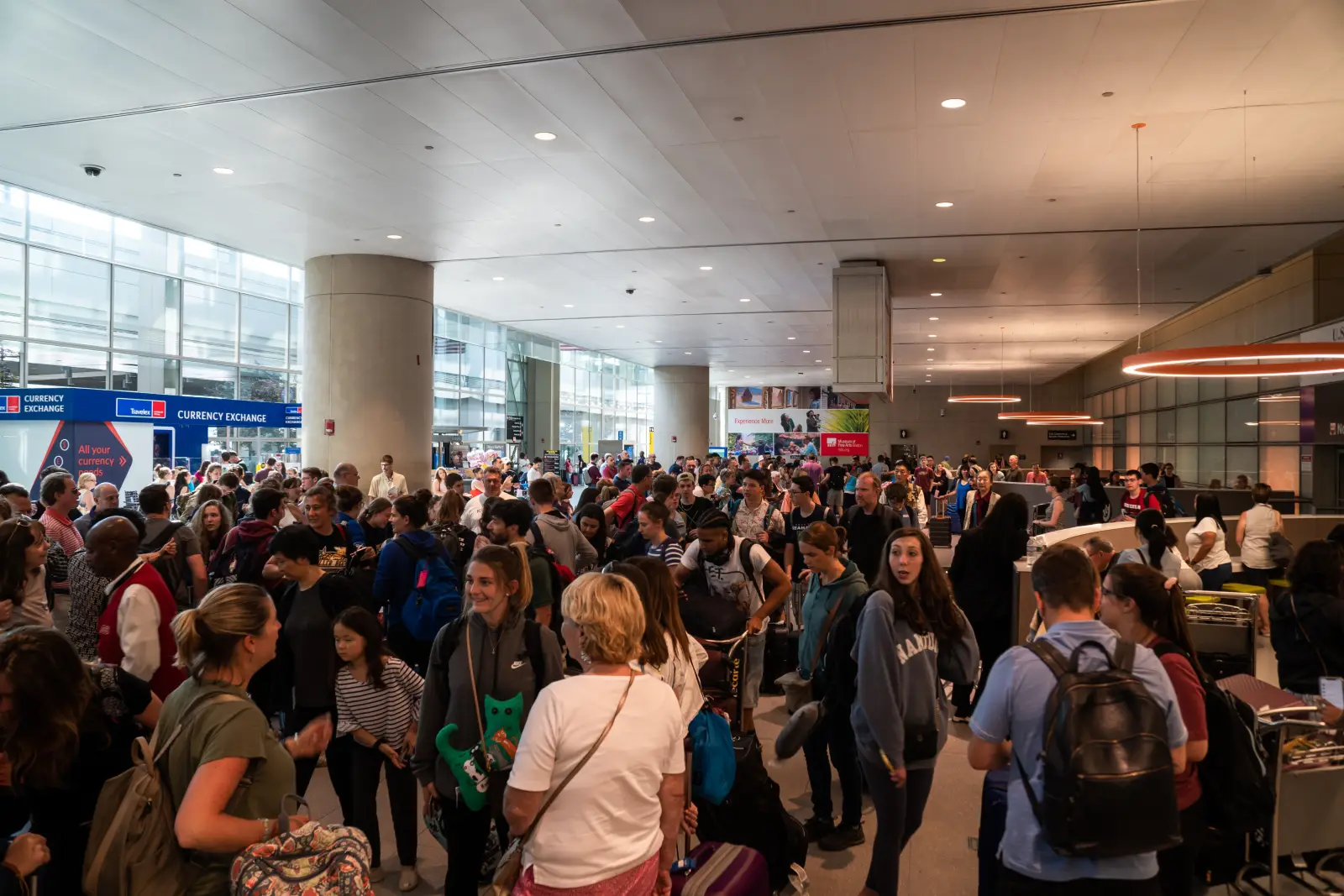
Despite the funding lapse, commercial flights continue to operate nationwide. TSA agents and Federal Aviation Administration (FAA) air traffic controllers remain classified as essential personnel, ensuring that airports and airspace remain functional. owever, as AP News reported, experts warn that prolonged unpaid work could lead to absenteeism, staff fatigue and potential disruptions during upcoming peak travel weekends.
“A prolonged shutdown could result in slower screening lines and flight delays if employees begin to call out,” said a spokesperson for the U.S. Travel Association, which estimates the travel sector could lose about $1 billion per week in economic activity if the standoff persists.
Airlines are preparing contingency measures to minimize disruption. At San Francisco International Airport, United Airlines and U.S. Customs and Border Protection have started testing a remote luggage screening procedure for international passengers connecting to domestic flights, designed to streamline inspections amid reduced staffing levels, according to SFGate.
Industry analysts say that while major U.S. carriers remain operational, uncertainty around staffing and federal inspections could have a cumulative effect if the shutdown continues through mid-October. Maintenance certifications, pilot training approvals, and new route authorizations are among the aviation services delayed by the closure of nonessential FAA departments.
Economic Fallout Spreads to Tourism Sector
The travel and tourism industry, already grappling with volatile fuel prices and shifting consumer demand, faces additional challenges from the government shutdown. Delayed visa processing, limited passport services, and the closure of federal tourism offices abroad are constraining inbound travel planning for the U.S. market.
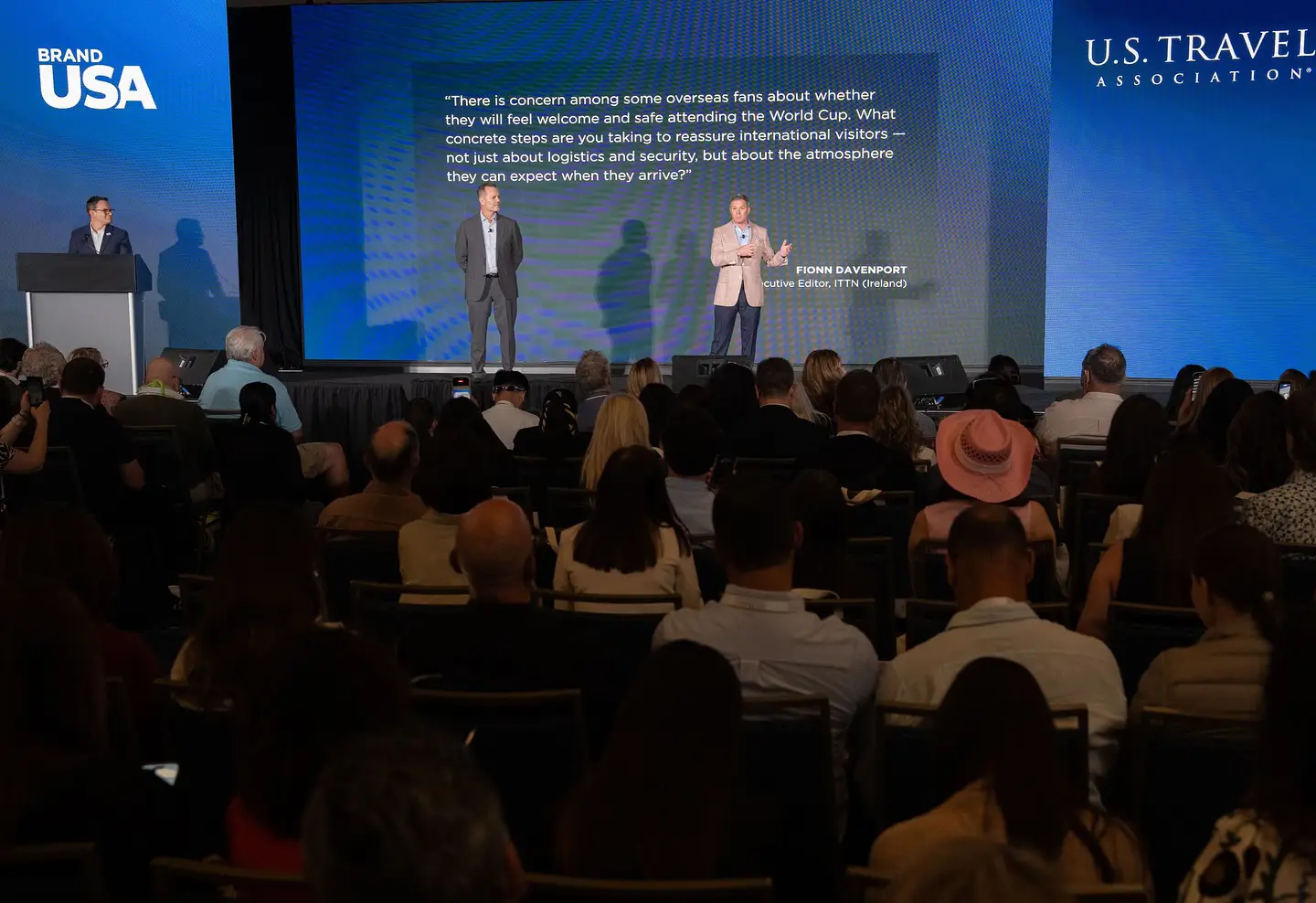
According to AP News, airlines and travel companies are coordinating closely with local tourism boards to update passengers on operational changes and visitor access. However, the absence of federal marketing support — including campaigns by Brand USA — is expected to weaken the country’s competitive position in attracting international travelers during the final quarter of 2025.
Hotels, car rental agencies, and tour operators near national parks report early declines in bookings as uncertainty over park accessibility spreads. In gateway communities such as Moab, Utah, and Jackson, Wyoming, tourism offices have issued advisories recommending alternative recreation sites while key park facilities remain closed.
Airports in major hubs such as Atlanta, Chicago and Dallas continue to operate normally but warn of potential staffing stress if the shutdown extends beyond two weeks. Some airport authorities have pledged temporary financial assistance to unpaid federal workers based on lessons learned from the 2019 shutdown, which lasted 35 days and disrupted air traffic schedules nationwide.
As of 5 October, no agreement has been reached in Congress to restore government funding. Lawmakers remain divided over spending priorities, with negotiations between the House and Senate stalled. The White House has warned that extended disruptions to air safety and tourism infrastructure could have “broad economic consequences.”
Travel industry groups are urging policymakers to reach a resolution quickly. The U.S. Travel Association said the tourism sector supports nearly 15 million American jobs and generates over $2 trillion in annual economic output, emphasizing that “every week of inaction deepens the economic impact.”
For travelers currently in the United States, the Department of Transportation and TSA continue to provide real-time updates on flight operations and airport conditions through their official websites. However, officials caution that travelers should expect possible delays, longer security lines, and limited federal services until funding is restored.
With the shutdown entering its second week, the U.S. travel sector faces increasing operational and financial pressure. While core transportation networks remain open, the combination of unpaid labor, park closures and administrative backlogs underscores how closely the country’s tourism economy depends on uninterrupted federal operations.
Photo Credit: 2p2play / Shutterstock.com