A potential U.S. government shutdown is poised to disrupt major aspects of the travel industry, with warnings of billions of dollars in weekly losses and widespread service disruptions.
The U.S. Travel Association said this week that a lapse in federal funding could cost the travel economy about $1 billion per week, citing risks to air travel operations, national parks, museums, and consular services.
The association outlined that Transportation Security Administration (TSA) and Federal Aviation Administration (FAA) staff would face unpaid work, while new air traffic controller hiring and training would halt. National parks and museums could close or restrict access, visa and passport processing could slow, and survey data suggest about 60% of Americans would cancel or avoid flying during a shutdown.
Air travel operations
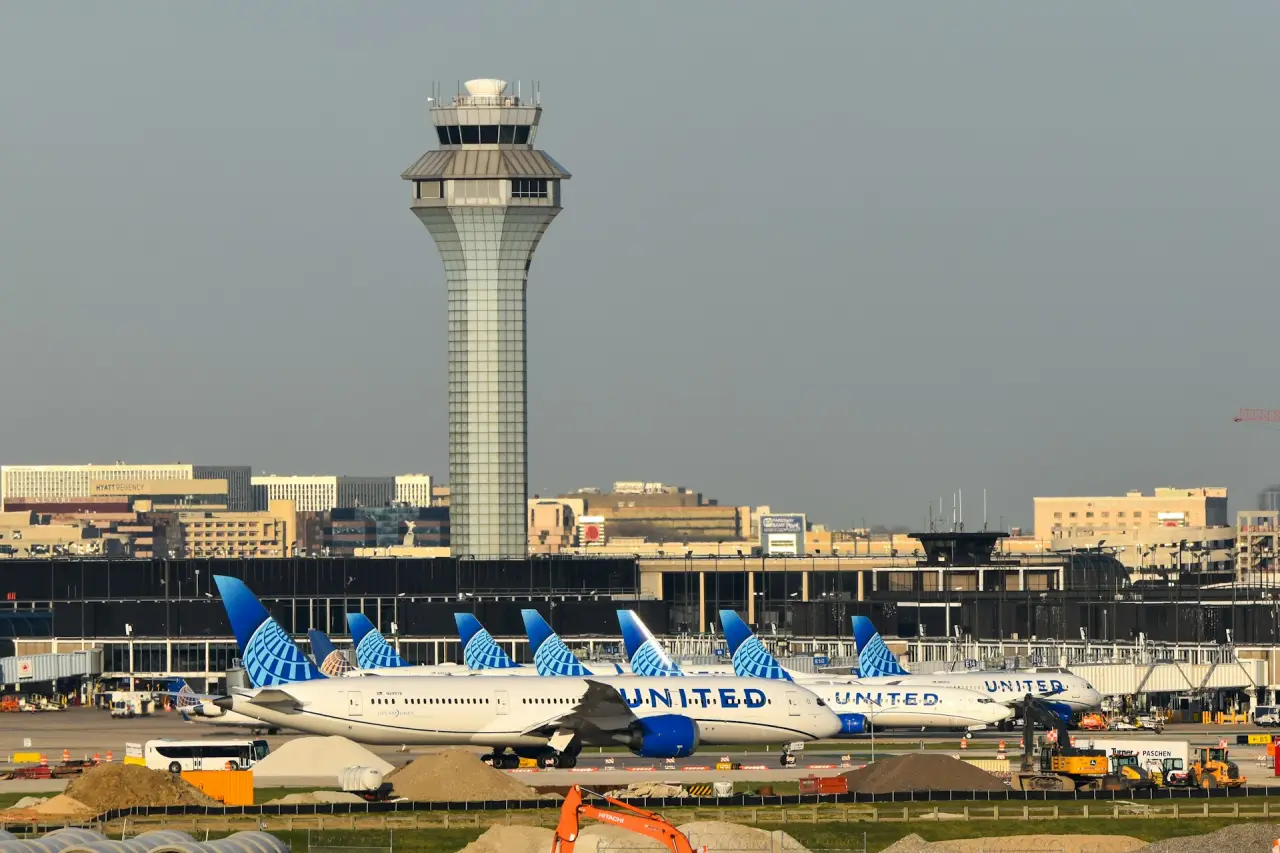
Reuters reported on Sept. 25 that a funding lapse would immediately halt FAA hiring and field training for new air traffic controllers. The stoppage would worsen existing staffing shortages that have already strained flight schedules and contributed to delays and cancellations. Essential personnel, including TSA screeners and controllers, would continue working but without pay, raising concerns about morale and efficiency if the shutdown continues.
The U.S. Travel Association emphasized that halting training and recruitment would have lasting impacts beyond the shutdown period. The group said the already thin workforce would face heavier pressure, increasing the likelihood of long lines, missed connections, and overall system instability.
National parks and cultural sites
National parks face uncertain operations if funding lapses. A group of 40 former National Park Service superintendents urged the Interior Department this week to close all parks in the event of a shutdown, warning of safety risks and environmental damage if parks remain open without adequate staffing. Similar issues arose during the 2018–19 shutdown, when parks that stayed partially open experienced problems with sanitation, crowding, and resource protection.
The Interior Department has not yet released an updated contingency plan. Industry groups said local economies near major parks could see immediate revenue losses if closures occur during peak visitor periods.
Passports and visas
Consular services are expected to remain in operation because they are funded primarily through fees. However, the State Department has noted in past shutdowns that high-volume passport agencies and overseas consulates could scale back services if fee balances run low. Non-emergency processing could be delayed, creating additional obstacles for travelers planning international trips.
Reports indicated that while passport and visa issuance is unlikely to stop entirely, applicants should anticipate slower processing times if the shutdown extends. Travel groups urged citizens to allow extra time and monitor local office updates.
Industry and policy response
The U.S. Travel Association repeated its projection that the shutdown would cost the industry $1 billion per week. The figure covers both direct and indirect economic losses, including disrupted travel plans, reduced tourism spending, and broader effects on the supply chain. The group called on lawmakers to take bipartisan action to avoid an interruption.
On September 25, The Washington Post reported that the White House instructed federal agencies to prepare not only for temporary furloughs but also for possible permanent staff reductions in certain programs. Analysts said the move signals a harder line approach compared to previous shutdowns, raising the risk of prolonged disruption across multiple sectors.
Survey data cited by the travel association highlighted public concern over shutdowns. About 81% of respondents said they believe shutdowns are harmful to the economy, and 86% said they inconvenience travelers. The potential disruption to flight schedules, park access, and consular processing reinforces these perceptions.
With the fiscal deadline approaching, the travel sector is intensifying pressure on Congress to prevent a lapse. Industry leaders argue that the compounded effect of strained air travel, closed parks, and slowed passport services could undermine consumer confidence in the U.S. travel system. Whether a funding deal emerges before the deadline will determine if the industry faces only a temporary setback or a prolonged period of disruption.