The U.S. Federal Aviation Administration temporarily closed the airspace surrounding El Paso International Airport this week after a reported cartel-linked drone incursion raised security concerns, halting commercial flights before lifting the restriction hours later once officials determined there was no ongoing risk to aviation. The precautionary shutdown followed federal counter-drone activity near the airport, which triggered immediate safety protocols and disrupted travel across the region.
The sudden closure caused flight delays and cancellations and prompted confusion among travelers seeking real-time updates, as federal agencies worked to assess the threat and restore normal operations.
Emergency shutdown follows reported drone incursion near airport
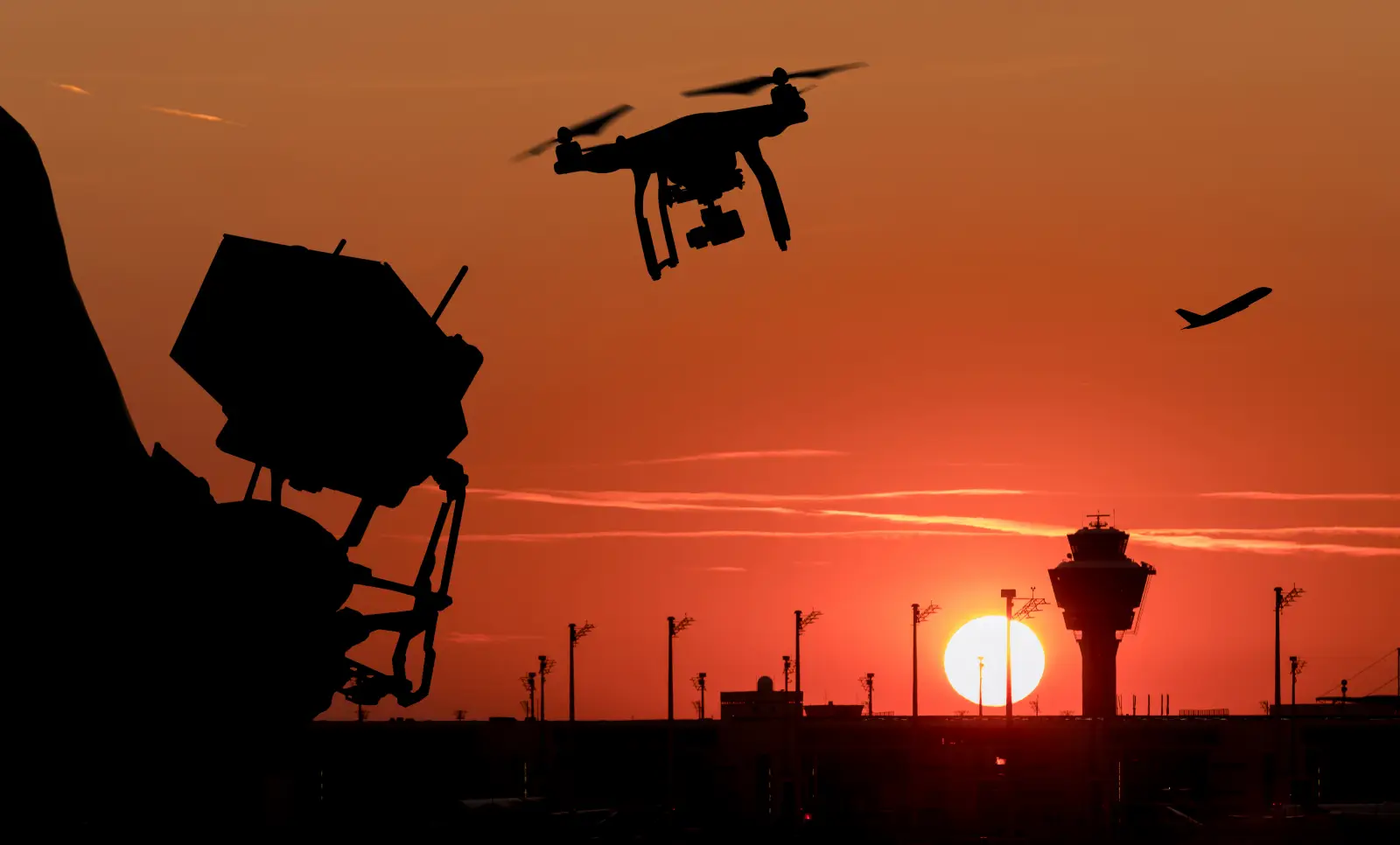
Federal officials said the airspace closure was ordered after authorities detected a drone believed to be linked to cartel operations operating near the U.S.–Mexico border. The FAA cited special security concerns as it suspended arrivals and departures into El Paso’s commercial airspace, one of the busiest travel gateways in far west Texas.
The response involved defense and homeland security personnel who were conducting counter-drone measures in the area. The presence of unmanned aircraft near active flight paths raised immediate safety alarms within aviation regulators, prompting the FAA to ground traffic while the situation was evaluated.
Transportation Secretary Sean Duffy said the temporary closure was necessary to neutralize the reported drone threat and ensure there was no danger to passenger aircraft. Flights resumed after officials concluded that commercial aviation could safely return to normal operations.
No aircraft were damaged during the incident, and no injuries were reported, according to federal authorities.
Travel disruption highlights coordination gaps and growing drone risks
The abrupt halt to air traffic left passengers and airlines scrambling for information, with travelers facing missed connections and rebooking challenges as operations paused without advance notice. Airport staff worked to manage congestion in terminals while carriers awaited clearance from federal regulators.
Subsequent reporting indicated the shutdown followed coordination challenges between aviation regulators and national defense agencies involved in counter-drone operations. The use of security technology near commercial airspace raised concerns within the FAA about unintended risks to civilian flights.
Regional lawmakers criticized the lack of communication surrounding the closure and called for clearer interagency protocols when security operations intersect with major transportation hubs. Officials acknowledged the confusion but emphasized that passenger safety remained the primary factor behind the emergency decision.
The incident reflects broader concerns about the increasing use of drones by criminal organizations near border regions and critical infrastructure. Authorities have reported a rise in unmanned aircraft being used for surveillance and smuggling activities, complicating airspace security for commercial aviation.
Federal agencies continue expanding counter-drone capabilities, while aviation regulators are reviewing procedures to ensure faster coordination and clearer communication during future security events. The FAA said it is assessing response protocols to prevent unnecessary travel disruption while maintaining strict safety standards.
Although flights resumed within hours, the closure underscored the vulnerability of major travel corridors to emerging drone threats and the cascading effects such incidents can have on airline schedules, airport operations, and passenger confidence.
Photo Credit: Lukas Gojda / Shutterstock.com