More than 2,700 flights were canceled across the United States over the weekend as airlines complied with a Federal Aviation Administration directive to reduce air traffic during the ongoing federal government shutdown.
The mandatory cuts, which began on Friday, affected operations at 40 major airports and have led to the most severe disruption of U.S. air travel since the COVID-19 pandemic.
The FAA initially ordered a 4% reduction in flights nationwide, warning that the limit could rise to 6% and later 10% if the shutdown continues. The directive was issued amid a deepening shortage of air traffic controllers, many of whom remain unpaid or absent due to furloughs. Airlines and passengers are facing escalating cancellations, delays, and widespread logistical challenges as a result.
Major Airlines Among Hardest Hit
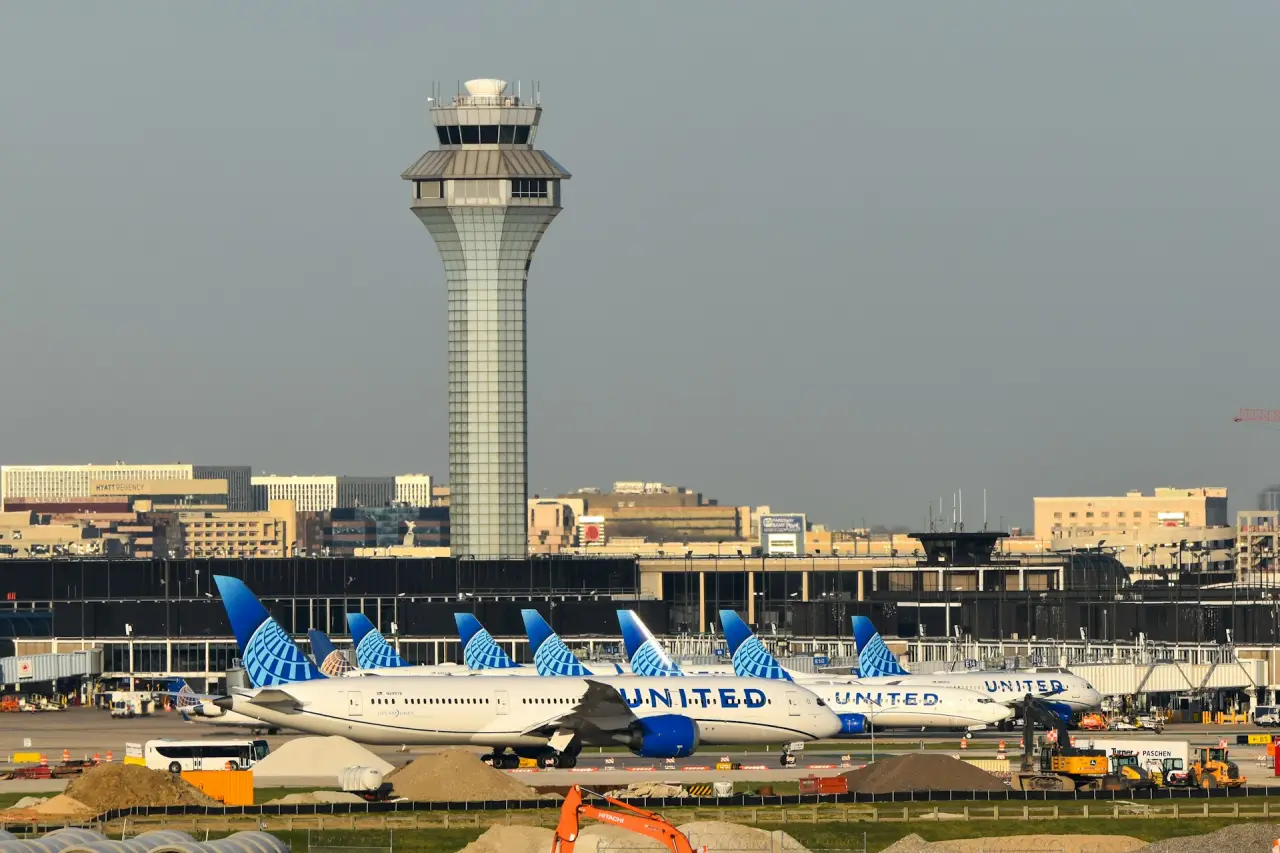
According to data compiled from major U.S. carriers, Delta Air Lines canceled approximately 708 flights over the weekend, representing about 14% of its scheduled operations. American Airlines cut 565 flights, or 9% of its network, while United Airlines canceled 418 flights, roughly 9% of its total schedule. Southwest and JetBlue also reported hundreds of cancellations across their domestic routes.
The Associated Press reported that total cancellations surpassed 2,500 from Friday through Sunday, with more than 10,000 flights delayed nationwide on Sunday alone. Disruptions were concentrated at major hubs including Atlanta, Chicago, New York, and Dallas, where air traffic flow programs were scaled back in compliance with the FAA order.
FAA officials cited safety concerns as the primary reason for the mandatory reductions. Staffing shortages at control centers and towers have led to longer spacing between aircraft and reduced capacity at key airfields. The agency indicated that further cuts could follow if the shutdown continues to strain operational safety.
System Strained by Staffing Shortages
The shutdown has left thousands of FAA employees, including air traffic controllers, working without pay. Reports from the Washington Post and The Guardian describe rising absenteeism among controllers, with many calling in sick or seeking temporary private-sector work to cover missed wages. Some regional control centers were operating with as little as half their normal staffing levels over the weekend.
Officials warned that sustained staffing losses could worsen delays and heighten safety risks. “We are balancing safety with operational demand, but the system cannot sustain this indefinitely,” said an FAA spokesperson quoted by Reuters. “If the shutdown continues, deeper flight restrictions will be unavoidable.”
The Air Line Pilots Association also expressed concern over the strain on the air traffic system. “Our crews are facing extensive delays and reroutes daily,” said Jason Ambrosi, President of the Air Line Pilots Association, in a statement cited by the Associated Press. “This is not a sustainable operating environment for passengers or crews.”
Broader Travel and Economic Impact
The impact of the flight cuts has rippled across the U.S. travel industry. Passenger airlines have been forced to consolidate routes, delay departures, and reroute aircraft to meet the FAA’s reduced traffic quotas. Cargo operators have also faced cancellations as they share airspace and resources with commercial carriers.
Industry analysts noted that the disruptions could have a cascading effect on logistics and tourism if the shutdown continues into the holiday season. The Guardian reported that officials are preparing contingency plans for Thanksgiving travel, when demand typically surges by more than 20% over regular volumes. The FAA has warned that without resolution, nationwide air traffic could be reduced by up to 20%, effectively grounding large segments of the domestic network.
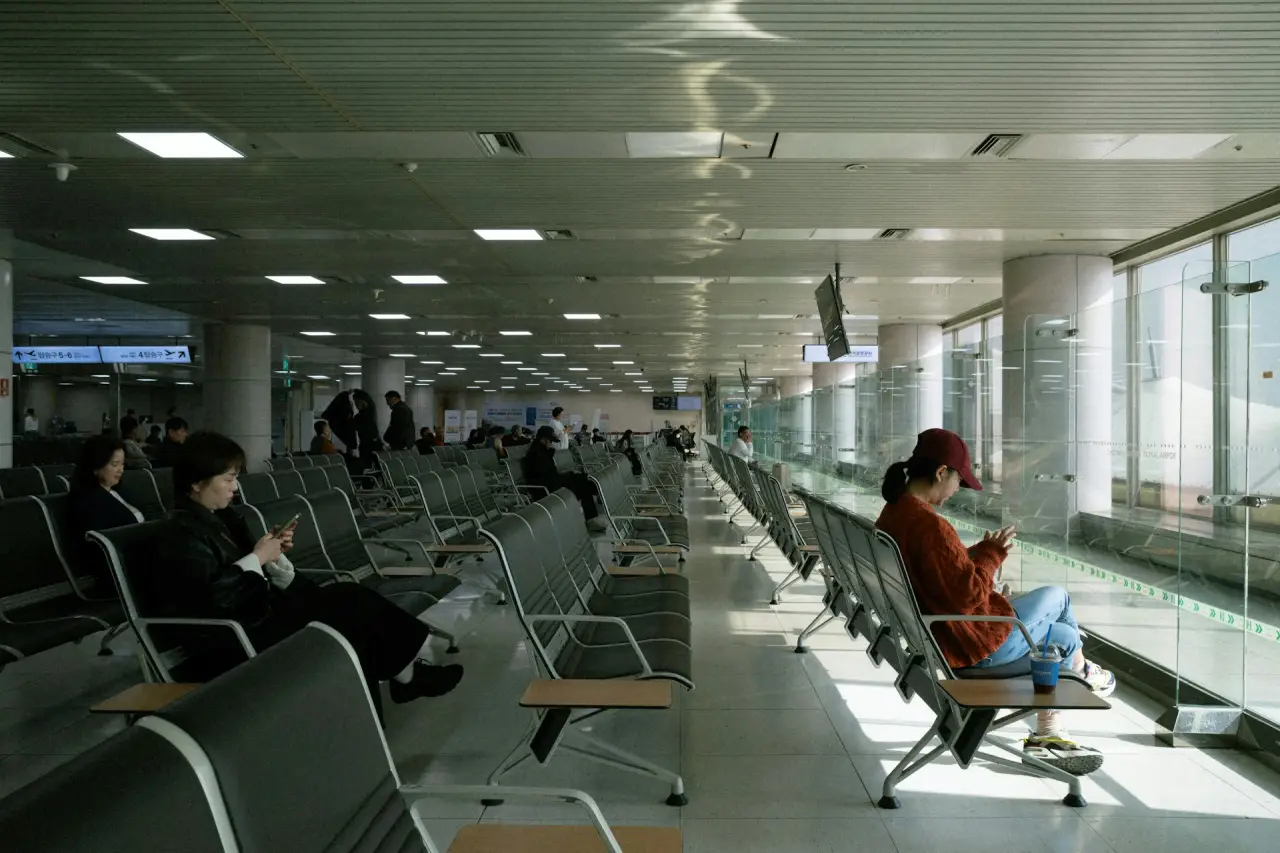
Travelers have expressed frustration over the growing number of cancellations and delays. Airlines have issued travel waivers, allowing passengers to change or cancel tickets without penalties. However, limited seat availability and crew scheduling constraints have made rebooking difficult in many markets. “We’re doing everything possible to accommodate customers affected by the government’s directive,” Delta Air Lines said in a public statement.
Uncertain Outlook as Shutdown Continues
The federal shutdown, now in its second week, has closed or reduced operations across multiple agencies, including the Department of Transportation, which oversees the FAA. Negotiations in Congress remain stalled over budget approvals, leaving no immediate end in sight.
Transportation officials and airline executives have warned that even a short extension of the shutdown could have long-lasting effects on the aviation system. Restarting full operations, training new air traffic controllers, and restoring normal scheduling could take weeks once the shutdown ends, potentially overlapping with the peak holiday travel period.
As cancellations mount and delays spread, the U.S. airline industry faces one of its most significant operational tests in recent years. With federal funding uncertain and staffing shortages deepening, both government and industry leaders are urging swift action to stabilize the nation’s air travel network.