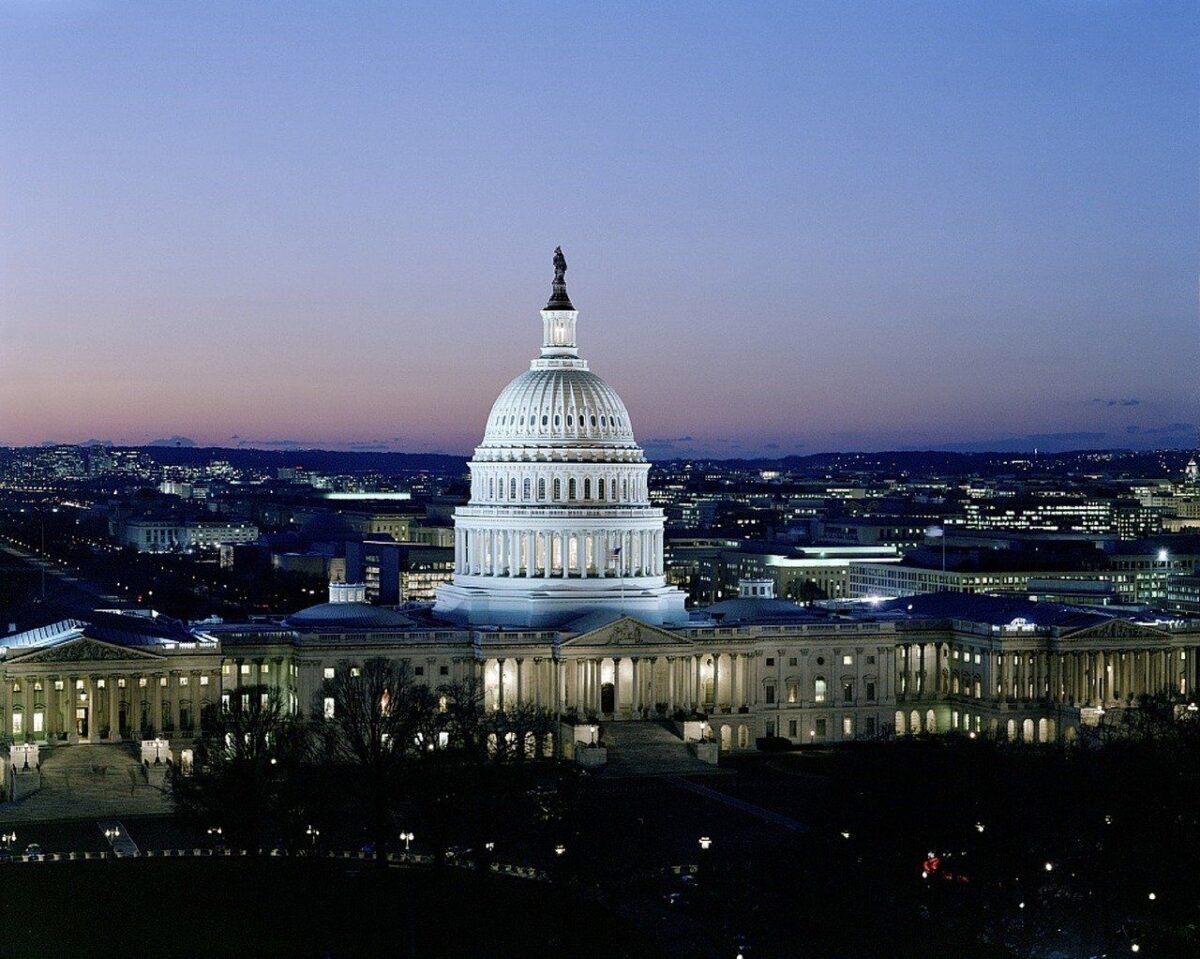
The United States government shutdown entered its second week on October 8 as Congress remained at a legislative impasse, halting key federal operations and triggering widespread disruptions across the nation’s travel and tourism sectors. The U.S. Travel Association estimates that the ongoing closure has already cost the American travel economy more than $1 billion in lost spending.
The shutdown began on October 1 after lawmakers failed to reach agreement on federal appropriations, forcing the suspension of non-essential government services. Industry groups warn that the continuing standoff is inflicting escalating economic damage, with ripple effects on air travel, national parks, and local businesses dependent on tourism revenue.
Travel Industry Faces Mounting Economic Impact
According to the U.S. Travel Association, the country’s travel economy is losing approximately $1 billion every week as a direct result of the government shutdown. “This shutdown is doing real, irreversible damage,” said Geoff Freeman, President and CEO of the U.S. Travel Association.
“Travelers are facing longer TSA lines and flight delays. Airports are reducing flights and we’ve seen entire control towers go dark. The longer this drags on, the worse the cascade of damage will be—for local communities, for small businesses and for the country.”
The organization’s real-time cost ticker, launched to track the cumulative impact, surpassed the $1 billion threshold early Wednesday. Freeman added, “Travel keeps America moving. When travel is delayed and services are disrupted, the ripple effects reach every corner of our country.”
The shutdown’s effects have been felt most acutely across the aviation network. While the International Air Transport Association (IATA) reported that the shutdown has not yet caused widespread flight cancellations, it warned of mounting strain on air traffic control and security operations. Localized staffing shortages at major airports have contributed to longer lines, sporadic delays, and reduced flight frequencies. Several regional control towers have temporarily ceased operations due to lack of personnel.
Federal Agencies and Tourism Operations Hit Hard
The Internal Revenue Service announced that nearly half its 73,000-person workforce has been furloughed, limiting access to taxpayer support services and delaying processing times. According to the agency’s contingency plan, only 53.6% of staff will remain on duty. Other federal departments, including the Department of the Interior, have closed public-facing operations such as national parks, visitor centers, and historical sites that draw millions of tourists each autumn.
Visitors to destinations like Yellowstone, Yosemite, and the Grand Canyon have faced restricted access or complete closures, forcing trip cancellations and cutting off income for hotels, restaurants, and tour operators in surrounding communities. Industry analysts say the timing is particularly damaging, coinciding with peak domestic travel and the start of the fall foliage tourism season in several regions.
In addition, the Trump administration issued guidance indicating that federal employees furloughed during the shutdown may not automatically receive back pay, breaking with past precedent. The decision has sparked criticism from labor unions and state officials who argue that the uncertainty will further depress consumer spending. The administration also froze approximately $26 billion in federal funds earmarked for infrastructure and transit projects in states led by Democratic governors, intensifying political tension over the budget standoff.
Broader Economic Consequences and Global Context
Economic analysts estimate that each week of the shutdown could shave up to $15 billion off U.S. gross domestic product, compounding losses already being felt in travel, hospitality, and aviation. The White House has warned that extended closure could threaten near-term economic growth targets and weaken confidence among international investors.
Tourism economists note that the travel industry serves as a critical driver of employment and tax revenue nationwide, supporting approximately 15 million jobs across hospitality, transportation, and recreation. “When air traffic slows and parks close, the economic pain extends far beyond Washington,” said one senior travel policy expert in a statement published by the association. “It affects every community that depends on visitor spending.”
As of October 9, no bipartisan agreement appears imminent. Senate leaders have failed to advance competing funding measures, with both Democratic and Republican proposals falling short of the 60 votes required to move forward. The political deadlock has drawn increasing pressure from business coalitions urging Congress to reopen the government to prevent lasting economic harm.
Travel and Aviation Sector Outlook
Airlines and airports are operating under contingency protocols, prioritizing critical routes and reducing nonessential operations to cope with limited federal staffing. While major carriers have maintained service continuity, smaller regional airports have reported reduced flight schedules due to suspended air traffic control support. Aviation analysts warn that prolonged shutdown conditions could result in maintenance delays, certification backlogs, and safety oversight interruptions.
Industry representatives have also expressed concern over the long-term reputational impact of recurring government shutdowns on the U.S. as a global travel destination. Disruptions to visa processing, customs operations, and security screening procedures are expected to deter some international travelers, particularly those planning high-value trips or business visits.
For now, the travel sector remains in a holding pattern as negotiations in Washington continue. With each passing day, the economic toll deepens and public frustration grows. Until Congress reaches a funding agreement, the nation’s tourism infrastructure—one of its most visible symbols of openness and vitality—remains under strain.
The U.S. Travel Association and allied business groups have renewed calls for immediate action. “Congress needs to act now and reopen the government,” said Geoff Freeman. “Every day that passes makes recovery harder for the workers, businesses, and communities that rely on travel.”