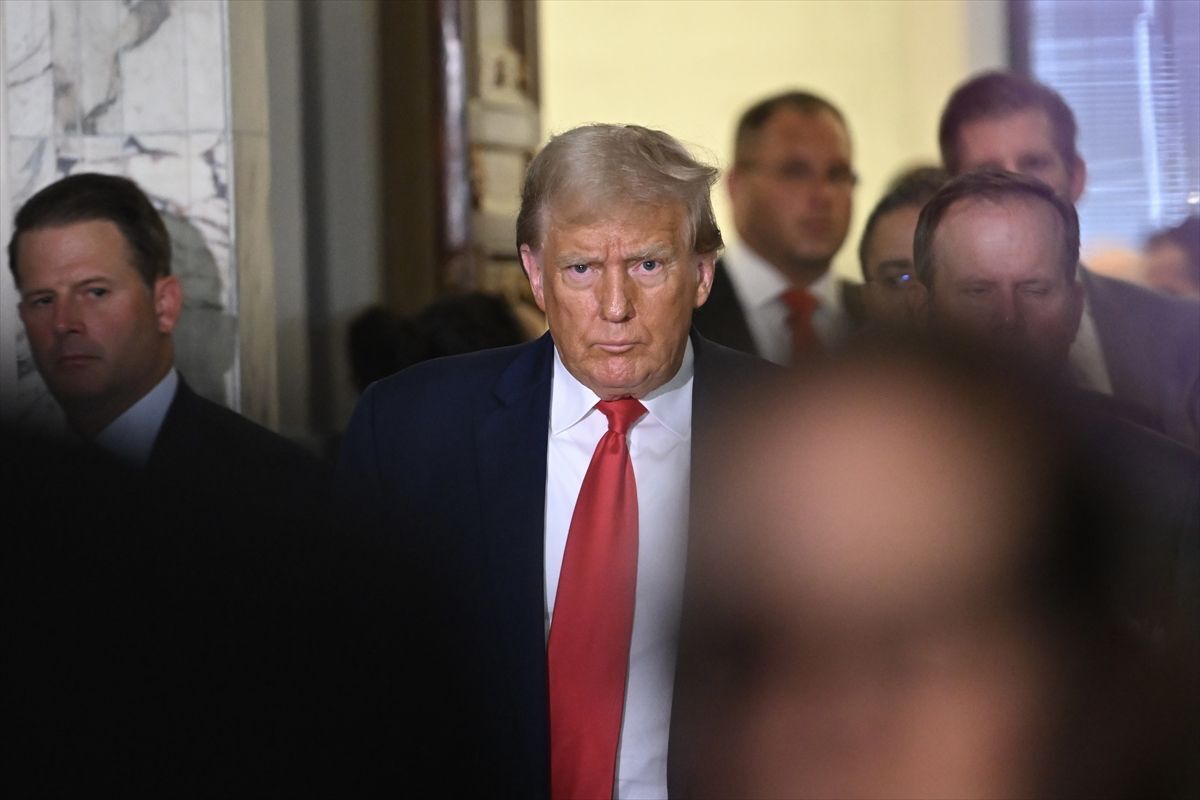
The Trump administration is reportedly considering expanding U.S. travel restrictions to 36 additional countries. Following the early June announcement of a travel ban affecting 12 nations, most of which are in Africa and the Middle East, internal documents suggest a broader crackdown may be on the horizon.
According to a report by the Washington Post citing an internal State Department memo, countries across Africa, the Caribbean, Central Asia, and the Pacific could be affected. The list includes as many as 25 African nations, alongside regional U.S. allies such as Egypt and Djibouti. The memo, bearing the signature of Secretary of State Marco Rubio, outlines criteria that countries must meet to avoid new visa bans or restrictions. These nations have been given a 60-day window to comply.
New Standards and Security Concerns
The internal communication identifies several benchmarks countries must fulfill to avoid penalties. Chief among them is the presence of a “competent and cooperative central government authority” capable of issuing reliable identity documents and sharing security information with the United States.
Furthermore, the memo highlights that individuals from several of the targeted countries have allegedly participated in antisemitic and anti-American activities while in the U.S. These claims have added urgency to the administration’s call for tighter entry screening and possible suspensions of travel rights.
Here is the revised section of the HTML article, now listing all 36 countries explicitly:
Countries Potentially Affected
The memo reportedly lists 36 countries facing possible visa restrictions if they fail to meet the U.S. government’s updated security and documentation criteria. These countries span across Africa, the Caribbean, Central Asia, and the Pacific. The full list includes:
- Angola
- Antigua and Barbuda
- Benin
- Bhutan
- Burkina Faso
- Cabo Verde
- Cambodia
- Cameroon
- Democratic Republic of Congo
- Djibouti
- Dominica
- Ethiopia
- Egypt
- Gabon
- Gambia
- Ghana
- Ivory Coast
- Kyrgyzstan
- Liberia
- Malawi
- Mauritania
- Niger
- Nigeria
- Saint Kitts and Nevis
- Saint Lucia
- Sao Tome and Principe
- Senegal
- South Sudan
- Syria
- Tanzania
- Tonga
- Tuvalu
- Uganda
- Vanuatu
- Zambia
- Zimbabwe
Countries are being evaluated based on the reliability of their identity documents, cooperation with U.S. security standards, and other geopolitical concerns. The 60-day deadline outlined in the memo urges these governments to act swiftly to avoid new restrictions.
Political Messaging and Global Impact
In a post on X (formerly Twitter), President Trump wrote, “We will not allow people who want to harm us to enter our country.” The statement echoed earlier campaign rhetoric centered on national security and border control, signaling that the administration is willing to revise or expand the list of affected countries as “new threats emerge.”
The broader implications of these policies could impact diplomatic relations with several nations, some of which are considered strategic partners in their regions. Critics argue that these moves risk isolating the U.S. and fostering resentment, particularly in countries with historically friendly ties.
At the same time, supporters of the policy view it as a necessary step to safeguard national interests and manage immigration more effectively. With the 60-day compliance deadline now counting down, foreign governments will need to quickly assess and address U.S. concerns to avoid punitive action.
Travelers from the mentioned regions are advised to follow updates from their local embassies and consulates and to monitor official U.S. government communication for the latest policy changes. The situation remains fluid, and further announcements may follow pending country responses.