The Federal Aviation Administration lifts all remaining shutdown-era flight restrictions at 40 major U.S. airports after a safety review finds staffing pressures easing, ending weeks of disruptions across the country. The decision allows airlines to resume full schedules beginning at 6 a.m. ET Monday, restoring normal operations after a period of reduced capacity.
The restrictions stem from an emergency order issued on Nov. 7 following staffing shortages among air-traffic controllers during the 43-day federal government shutdown. Airlines had been required to cut schedules by 4% to 6%, a move that triggered widespread cancellations, operational constraints and delays at major hubs.
FAA Decision Follows Stabilizing Conditions
The FAA says the review of the National Airspace System shows a “steady decline in staffing concerns,” clearing the way for full service to resume. “Today’s decision to rescind the order reflects the steady decline in staffing concerns across the National Airspace System and allows us to return to normal operations,” said Bryan Bedford, FAA Administrator. The lifting of the order ends the agency’s most significant nationwide flight-cut mandate in recent years.
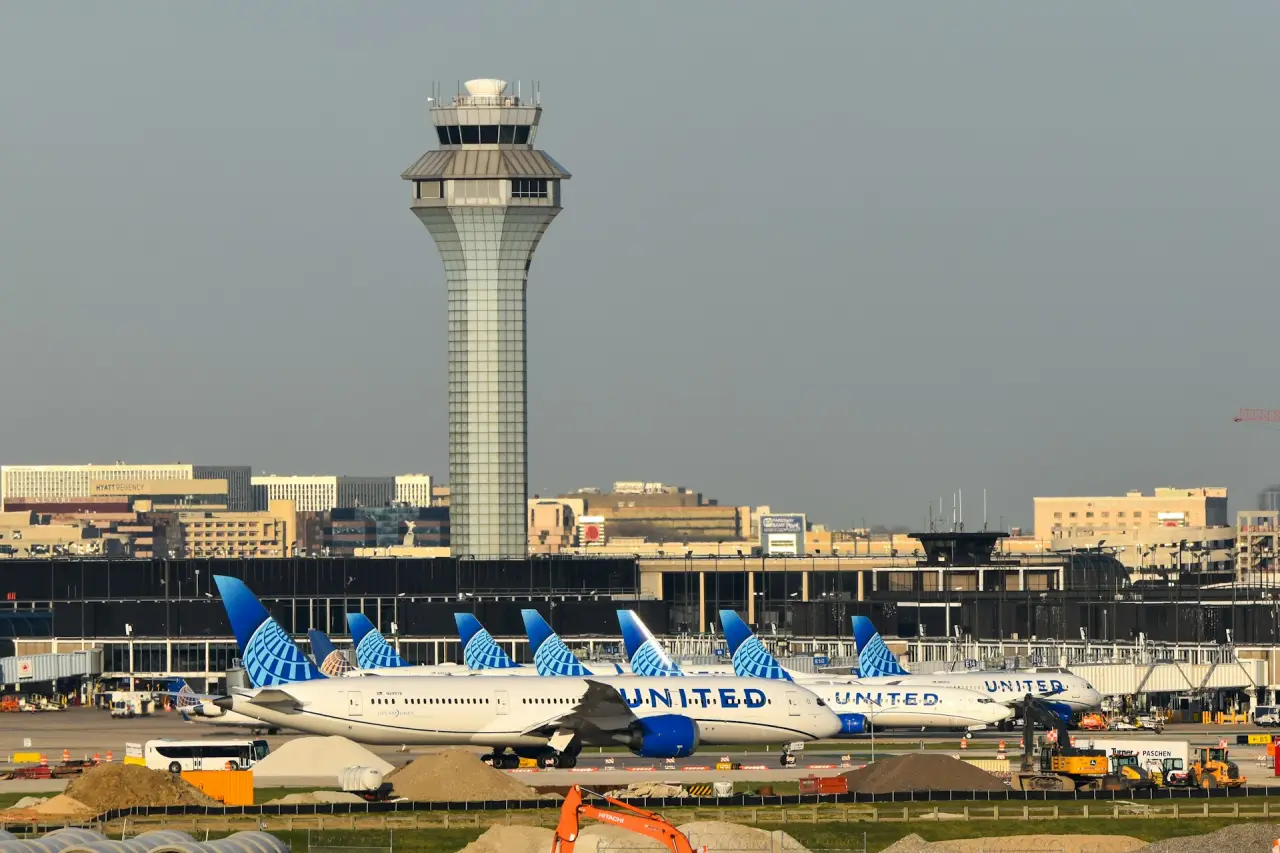
At its peak on Nov. 9, the staffing crisis generated 81 controller staffing triggers, prompting more than 2,900 cancelled flights in a single day. The disruption reverberated across major airports, including facilities in New York, Chicago, Los Angeles and Atlanta. Airlines worked to stabilize operations in the weeks that followed as cancellations dropped to less than 1% over the weekend before the order was lifted.
Impact Across Major Airports
The suspension of flight-cut requirements affects 40 airports across the United States, where carriers had reduced operations in response to FAA directives. Commercial airlines will now restore standard frequencies on key routes that saw reduced seats and limited availability over the past several weeks. Carriers expect the normalization to align with peak holiday travel demand, improving reliability for domestic and international connections.
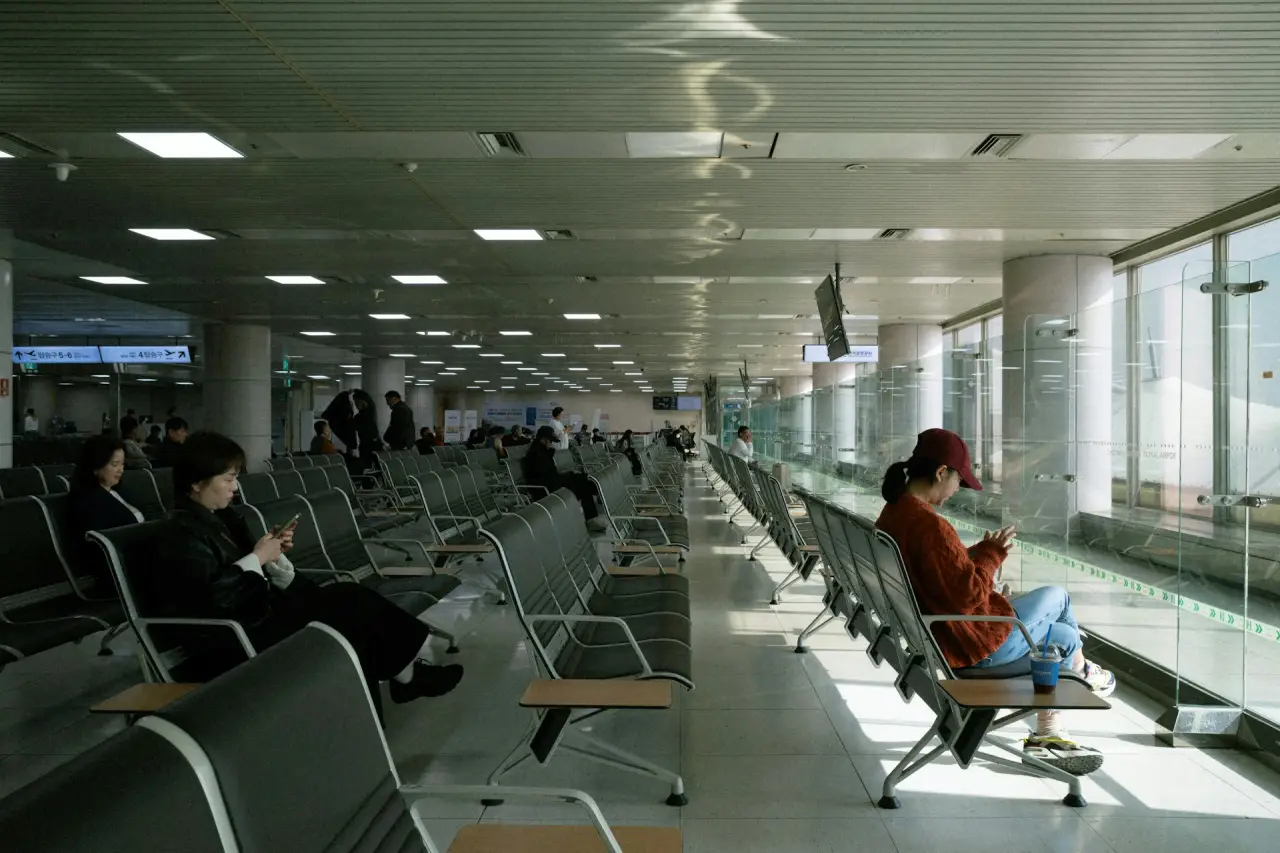
The disruptions had hit the busiest transit points hardest. Route planning adjustments, ground delays and reduced daily flight numbers affected passengers transiting through major hubs. Airport officials and airlines had expressed concern about the strain on capacity, especially ahead of the Thanksgiving period, one of the highest-volume travel periods of the year.
While normal scheduling resumes, industry analysts note the system may take time to fully return to pre-shutdown performance levels. The FAA maintains that its operational oversight remains focused on safety and staffing allocation as facilities gradually recover from the prolonged disruption caused by the shutdown and its aftermath.
Background to the Shutdown-Era Restrictions
The emergency order was among the most visible federal responses to the 43-day government shutdown, during which staffing shortages among air-traffic controllers became acute. The FAA required carriers to reduce scheduled flights by at least 4%, later increasing the cut to as much as 6% as shortages persisted. The order was meant to ensure safe operations amid concerns about controller fatigue and facility-level constraints.
Throughout the shutdown period, cancellations mounted at major airports. Some facilities saw rapid increases in flight disruptions as staffing triggers multiplied. By mid-November, the ripple effects reached thousands of travellers as airlines reshuffled networks and attempted to maintain essential connectivity.
As conditions stabilized, scheduling data from Cirium indicated that cancellations had dropped sharply before the FAA reached its decision. By the weekend preceding the announcement, overall cancellations fell below 1%, a key indicator that the worst of the system strain had passed.
Despite the easing of operational pressures, the FAA advises that residual delays may persist as the national airspace transitions into regular operations. The agency also notes that while safety restrictions are removed, facilities may still implement localized operational adjustments as needed.
The resumption of full schedules marks an important shift for the U.S. aviation sector, which has faced consecutive operational challenges tied to workforce dynamics and government disruptions. With the FAA’s mandate lifted, airlines are moving to restore capacity, rebuild route frequency and stabilize travel flows ahead of the holiday surge.
The agency has not indicated further nationwide restrictions and states that continued monitoring will guide any subsequent actions. With travel demand expected to increase through the end of the year, both regulators and airlines are positioned to assess system performance and ensure operational continuity.