
You land in a city where you know nobody. Your hotel room is fine, the food is good, and the sightseeing fills the daylight hours. But evenings arrive with a particular kind of quiet.
You pull out your phone, open an app, and start swiping through faces that belong to a place you will leave in 4 days. The question of whether this is a productive use of your time or a complete waste of it depends on several things, most of which have nothing to do with the app itself.
Around 381 million people used dating apps in 2024, a figure projected to climb to 452 million by 2028. A good portion of those users are swiping from somewhere that is not their home. The major platforms have noticed this and built tools around it, which means the infrastructure for meeting someone abroad exists. What remains less obvious is how well that infrastructure actually performs when you are sleeping in a different bed every few nights.
The Travel Features That Apps Are Selling You
Tinder lets users change their location through Passport Mode, which gets activated roughly 145,000 times per day across the platform. That number accounts for over 62 billion virtual miles, which gives some sense of how many people are searching outside their home radius at any given moment. The feature is available through paid subscriptions or as a standalone purchase.
Bumble offers something similar through its Travel Mode for premium subscribers. Feeld takes a different approach, allowing free location changes to major city hubs they call “Cores” in places like New York, Paris, and Singapore. Grindr’s Explore feature, available to paid subscribers at $29.99/month, opens up location-based searching as well.
Gen Z users activate Tinder’s Passport mode 9 times more frequently per month than other age groups. That tracks with what you would expect from a generation that grew up with location-flexible technology and tends to be more comfortable with the mechanics of these platforms.
Relationship Preferences Don’t Pause at the Airport
People look for all kinds of connections when they travel, and the type of relationship someone wants at home usually follows them abroad. Some travelers open apps hoping for a casual meeting with a local. Others are more specific about what they want, browsing sugar baby apps or niche platforms that cater to particular relationship types. According to Pew Research Center, 44% of dating app users are looking for a long-term partner, which suggests that even on the road, plenty of people have clear intentions beyond a brief fling.
Travel removes familiar social circles, so apps become the primary way to meet anyone at all. That puts more weight on knowing what you actually want before you start swiping in a foreign city.
The Awkward Truth About Timing
Here is where things get complicated. You can match with someone in Lisbon on a Tuesday, but if your flight leaves Thursday morning, the window for meeting in person is narrow. Many matches go nowhere because the logistics fall apart before anyone sends a second message.
Pew Research Center reports that 53% of Americans between 18 and 29 use dating apps. A separate finding shows 42% of Americans have had a romantic encounter with someone they met on vacation. Those 2 numbers together suggest that meeting people while traveling is common enough, though the apps are only 1 of several ways it happens. Bars, hostels, tours, and random conversations still account for a lot of those encounters.
The apps work best when you arrive somewhere with at least a few days ahead of you. A weekend trip to a city where you have back-to-back plans is probably not the time to expect a meaningful connection through an app. A 2-week stay somewhere with open evenings is a different situation entirely.
Safety When You Are Far From Home
Less than half of U.S. adults consider online dating generally safe, according to data cited by Travel Noire from Pew Research Center. That skepticism increases when you are in an unfamiliar place without the safety nets you rely on at home, like friends who know where you are or familiarity with the area you are traveling to.
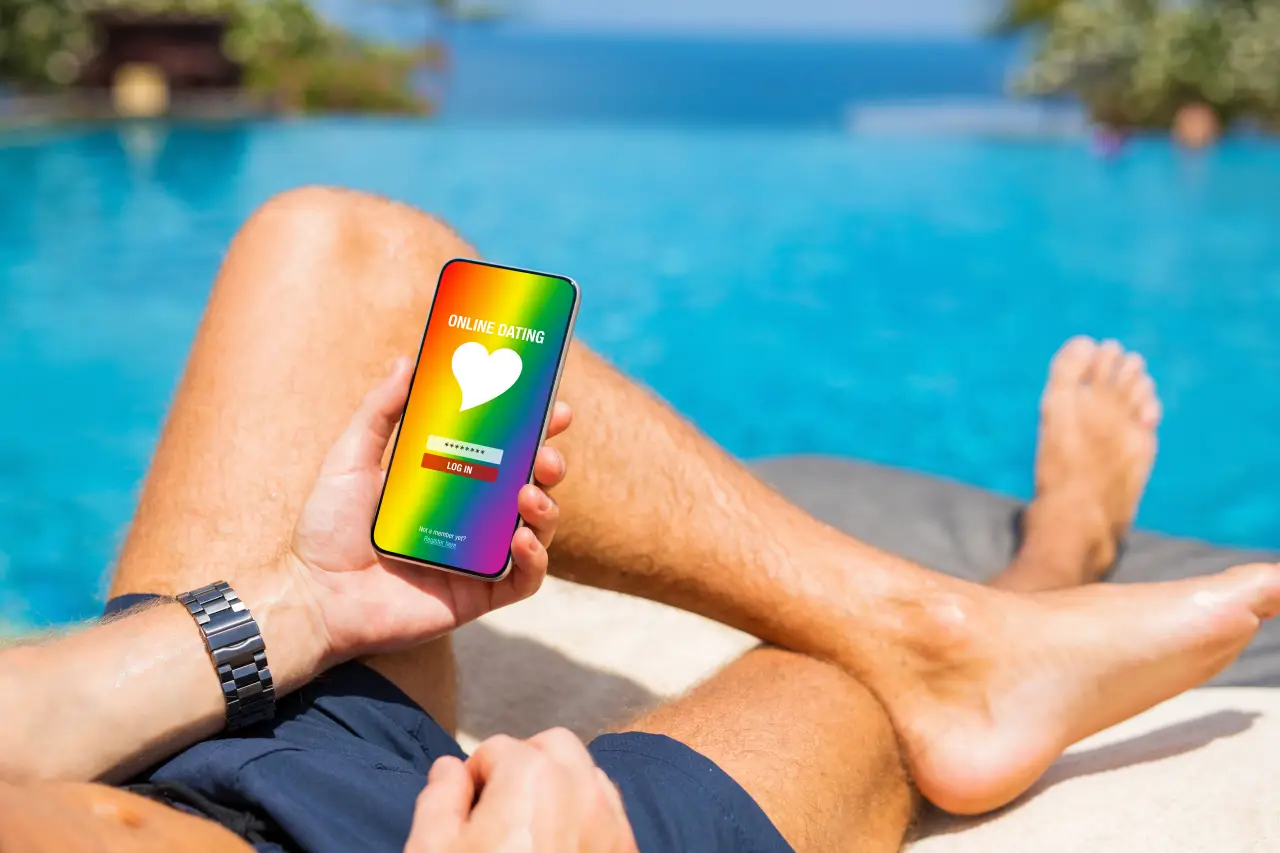
For LGBTQIA+ travelers, the risks can be severe. Lonely Planet has reported that authorities in certain countries have used apps like Grindr to identify, target, and arrest gay men. Knowing the legal and social conditions of the country you are visiting is not optional. It is a baseline requirement before opening any app.
Some practical steps help. Meeting in public places, sharing your location with someone you trust, and keeping your plans flexible enough to leave if something feels off are all reasonable precautions. They apply at home too, but the stakes feel different when you cannot call a friend to come pick you up.
So, Do They Actually Work?
They work in the sense that they put you in front of people you would never otherwise meet. They fail in the sense that travel imposes hard constraints on time, language, and proximity that no app feature can fully solve.
The honest answer is that dating apps while traveling function as an introduction tool. They open a door. What happens after that depends on how long you are staying, what you are looking for, and how willing both people are to work around the built-in inconvenience of one person being temporary. The apps did their part by making the connection possible. Everything after the first message is on you.
Top Photo Credit: Kaspars Grinvalds / Shutterstock.com