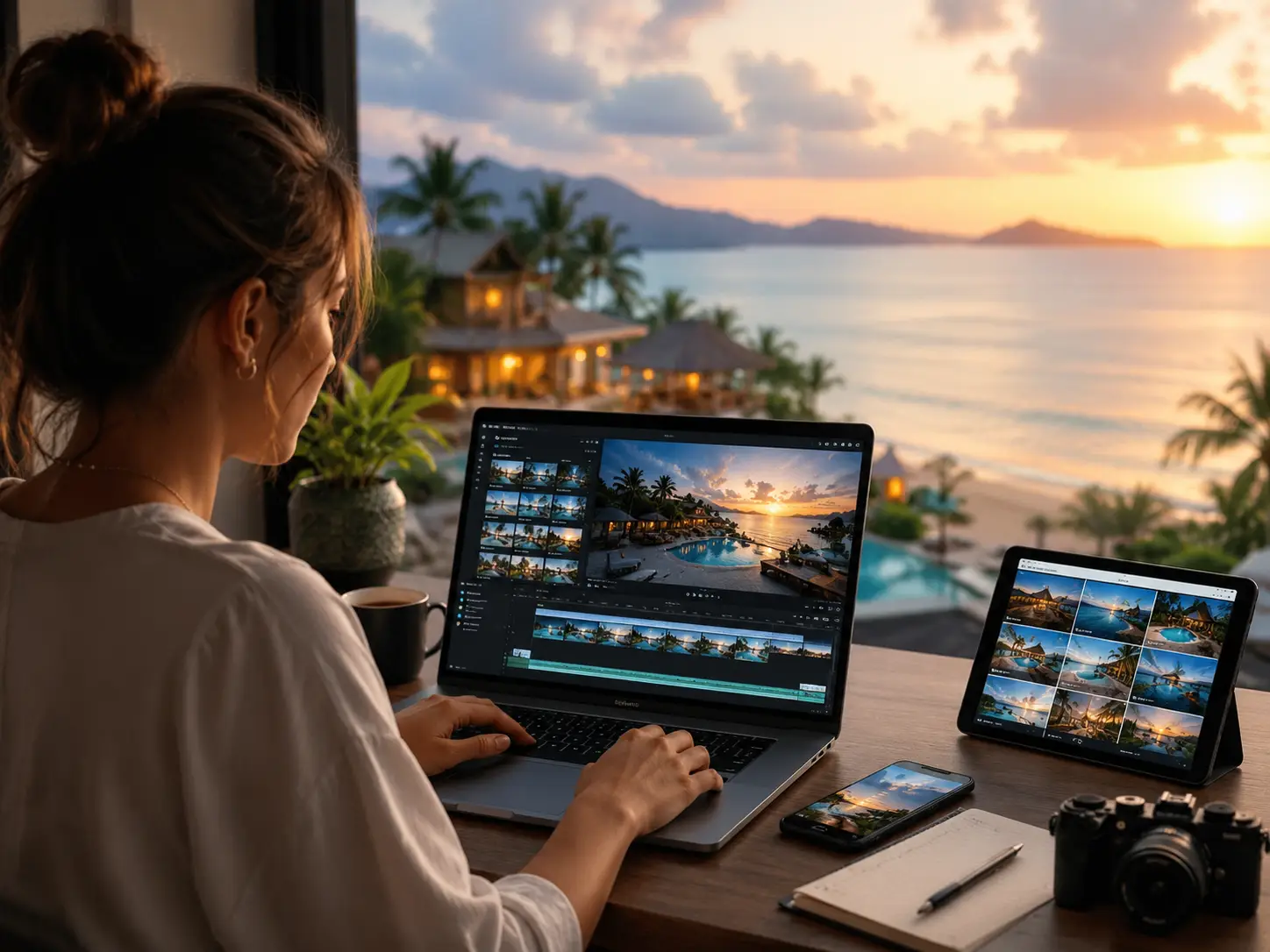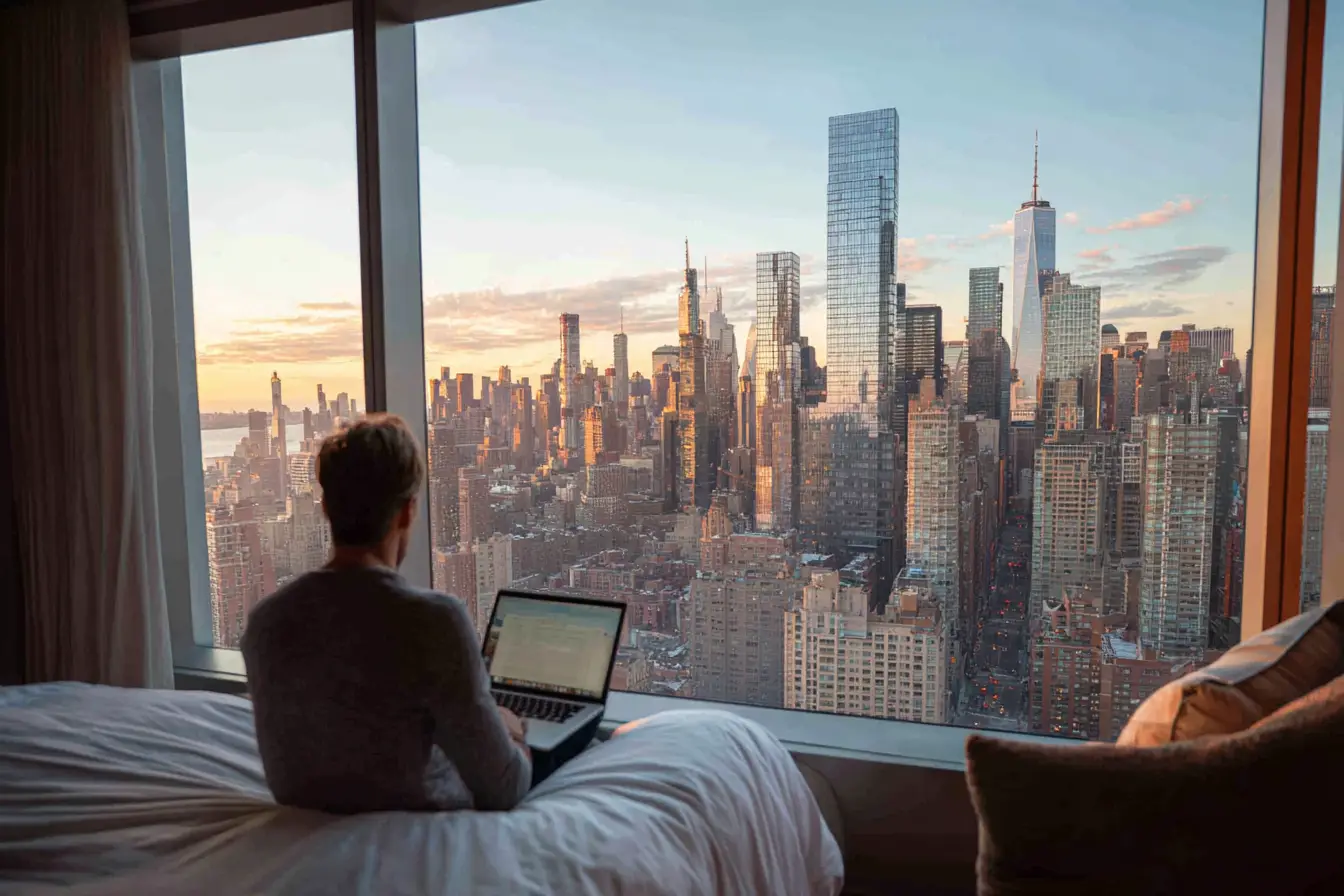
The traditional image of holiday evenings is gradually fading for a significant portion of modern travellers. No more crowded pubs and late-night club queues; instead, hotel rooms are turning into personalised entertainment hubs where guests curate their own leisure experiences.
Several factors drive this change. For gaming enthusiasts specifically, travel no longer means disconnecting from their favourite pastimes. Why bother going out if you can check these best online slots of 2025 and start playing right away? The hotel and entertainment industry is already adjusting, but what does this change mean for an average traveler who may want a bit more socialising?
The Infrastructure That Makes It Possible
Many hotels have rethought their value proposition. While previous generations competed on location and breakfast quality, today’s properties invest in digital infrastructure. Modern travellers now demand as standard:
- High-speed Wi-Fi capable of streaming 4K content without buffering.
- Smart TVs with built-in apps or casting capabilities from personal devices.
- USB charging ports and international adapters positioned near beds and desks.
- Blackout curtains and soundproofing that create an immersive viewing environment.
These upgrades collectively enable guests to replicate their home entertainment setup anywhere in the world. Properties that fail to deliver face harsh reviews and declining bookings, especially from younger demographics who view connectivity as a non-negotiable condition.
How Different Regions Support This Behaviour
Geographic location affects the viability of in-room entertainment. Infrastructure quality, content availability, and regulatory frameworks vary across major travel destinations.
| Region | Connection Quality | Content Restrictions | Gaming Access |
| Western Europe | Excellent | Minimal | Fully regulated |
| North America | Very good | Moderate (geo-blocking) | State-dependent |
| Asia-Pacific | Excellent (cities) | Significant | Highly variable |
| Middle East | Good | Extensive | Often restricted |
Asia-Pacific destinations have a particularly interesting dynamic. Tech hubs like Singapore, Seoul, and Tokyo offer internet speeds exceeding Western standards, making them attractive for digital nomads and entertainment-focused travellers.
However, content availability varies dramatically due to licensing agreements and local regulations. It’s especially important to choose the right digital tools when travelling to Asia because geo-blocks can easily interfere with your plans.
The Shifting Economics of Travel Entertainment
This behavioural shift influences spending patterns throughout tourism ecosystems, though the impacts vary significantly by region and season. Some nightlife venues in tourist-dependent destinations have reported revenue challenges, but the causes are complex — including rising travel costs, economic uncertainty, and changing tourist demographics — rather than a simple shift to in-room entertainment alone.
What has changed measurably is how travellers allocate their evening budgets.
| Spending Category | Traditional Nightlife Focus | Digital-First Approach |
| Accommodation priority | Budget option acceptable | Premium room with excellent Wi-Fi essential |
| Evening entertainment | Multiple nights out expected | Selective outings, streaming services |
| Food and beverage | Restaurant dining most evenings | Mix of delivery, hotel dining, occasional restaurants |
| Local transport | Regular taxi or ride-share use | Minimal evening transport costs |
Hotels have adapted by capturing more food and beverage revenue through partnerships with delivery platforms like Grubhub, UberEats, and DoorDash.This shift benefits travellers who want convenience while supporting local restaurants through delivery orders.
Regional Variations in Impact
For destinations heavily dependent on nightlife tourism — think Ibiza, Bangkok’s entertainment districts, or Las Vegas — adapting to changing traveller preferences presents ongoing challenges. However, venues that offer unique experiences, incorporate technology, or create shareable moments for social media continue to attract crowds. Multi-concept venues with varied activities within the same space resonate strongly with younger demographics who seek variety.

Local businesses that adapt by offering delivery services, creating distinctive experiences that digital alternatives can’t replicate, or providing daytime activities see less impact from the stay-in trend.
What This Means for Social Travellers
Here’s where the tension emerges. The original question still stands: what about travellers who actually want social interaction? The shift to in-room entertainment creates unexpected social isolation, particularly for solo travellers who might have naturally met people in hotel bars or local venues.
Hotels are responding with hybrid approaches that acknowledge both preferences:
- Dedicated gaming lounges with comfortable seating and large screens for communal viewing;
- Co-working spaces that transition to social areas during evenings;
- Organised events around major esports tournaments or streaming releases;
- Improved lobby designs that encourage casual interaction without forced socialising.
These solutions attempt to preserve spontaneous social opportunities while respecting guests’ preferences for controlled, comfortable environments. The success varies significantly by property type and target demographic.
The Personal Balance on the Road
The most satisfying approach usually blends digital convenience with selective local exploration. Savvy travellers might spend afternoons discovering neighbourhoods and sampling local cuisine, then return to comfortable rooms for entertainment that aligns with personal preferences rather than tourist obligations.
This flexibility considerably reduces travel stress. Bad weather, disappointing recommendations, or simple exhaustion no longer derail entire evenings. Having quality entertainment infrastructure means every day doesn’t require forced exploration or artificial nightlife experiences to feel worthwhile.
For social travellers specifically, the key involves intentional planning. Booking accommodation with active communal spaces, joining organised tours or activities during daytime, and strategically choosing moments for local nightlife creates balance without eliminating the in-room option entirely.
The Future Landscape
The evolution toward in-room digital entertainment doesn’t signal the death of traditional nightlife but rather a permanent expansion of travel possibilities. Modern travellers simply have more choice in how they spend evenings abroad — and sometimes, that choice involves staying in at least some nights.
Hotels will continue investing in room technology whilst simultaneously creating spaces that facilitate optional social interaction. Destinations may need to rethink their evening economies, potentially focusing more on daytime experiences and unique offerings that digital alternatives can’t replicate. The industry is adjusting, though perhaps not quickly enough for venues heavily dependent on tourist foot traffic during evening hours.