Southeast Asia remains one of the most dynamic travel markets in the world, and 2025 is already a more connected, app-based, digitally streamlined experience for visitors. Whether it is a cultural adventure in Thailand, a surfing vacation in Bali, or Malaysian food-hopping, modern travelers have a wide array of convenient technology tools that make navigation, communication, budgeting, and planning easy and stress-free.
However, a significant decision awaits these modern travelers. Should you use a SIM or an eSIM to stay connected? Because none of these technology tools can work without a reliable internet connection.
We’re going to cover the most valuable digital tools for travel and the best SIM and eSIM options for your next trip to Southeast Asia.
Digital Maps and Navigation Tools To Keep You On Track
Travelers will find various tools to help them find places and get around their destination.
Google Maps & Offline Maps
Google Maps is the most trusted navigation tool in Southeast Asia, and that won’t change anytime soon. It is especially useful that travelers can download offline maps to use in remote areas of places like Northern Vietnam and the smaller islands of Indonesia. The maps provide great coverage of local transport routes and walking paths. If you have a connection, you can also get real-time traffic information for the region.
Grab and Gojek
Grab (most of SEA) and Gojek (strong in Indonesia) are invaluable in terms of transport, food delivery, courier services, and cashless payments. Each of the two apps has improved safety, route tracking, and tourist-friendly payment options.
Rome2Rio
When you are traversing between islands, trains, ferries, and buses, Rome2Rio offers the best view of door-to-door services. It makes it easy to compare the speed and costs of traveling.
Best Travel Planning, Itinerary, and Local Travel Experiences Apps
Klook & GetYourGuide
Ideal for booking tours, finding attractions, transportation options, and local activities. The sites provide verified vendors, transparent pricing, and immediate confirmations. It’s very convenient in busy cities such as Singapore or Bangkok.
TripIt
TripIt automatically organizes flights, hotels, and transfers across multiple countries in a single master itinerary. That makes it a great tool for travelers who have to manage several flights, hotels, and transfers.
Google Translate (Offline Packs)
You’ll find English in many tourist areas in foreign countries. But what happens if you want to get off the beaten path? The small towns and rural areas are where you’re likely to run into language barriers. That’s where the offline packs for Google Translate can come in handy. They’re great for places like Indonesia, Cambodia, and Laos.
Mobile Wallets and Cashless Transactions
Cash is still king in many Southeast Asian countries. However, cashless payments are becoming increasingly common in 2025.
Recommended Apps:
- GrabPay is popular in Singapore and Malaysia.
- GoPay is one of the top options in Indonesia.
- Touch ‘n Go is a transport necessity in Malaysia.
- Apple Pay & Google Wallet are gaining popularity in tourism areas.
These apps are about more than convenience. Having them can help you avoid carrying a lot of paper currency.
Having the Right SIM or eSIM Makes a Big Difference in 2025
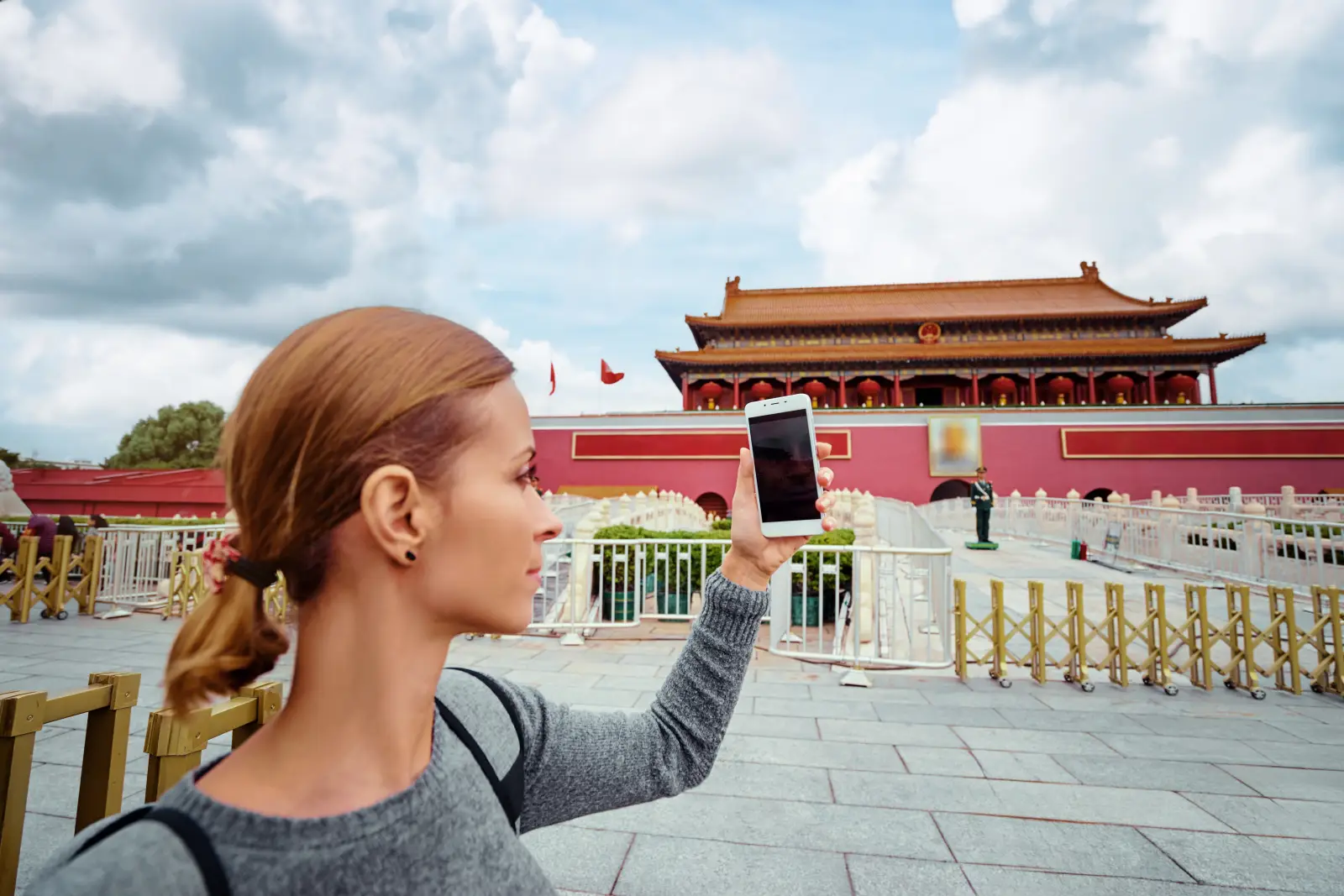
Reliable mobile connectivity is the backbone of a stress-free journey, particularly when you are using online tickets, map-based directions, menu QR codes, online cabs, or instant translation services.
The ease of eSIM technology has revolutionized travel in Southeast Asia. You get mobile data that is more convenient and more reliable. Along with that, you don’t have to hunt for physical SIM cards to put in your phone.
The Advantages of eSIMs in 2025:
- Your phone plan can be ready to activate before you land
- No physical card swapping
- Allows you to maintain your regular number
- Affordable and flexible regional plans
- Expansive coverage for various countries
Regional eSIMs are typically the most convenient option for travelers with multi-country visits, such as Bali, Singapore, and Thailand.
Best SIM/eSIM for Traveling in Southeast Asia
Plans for Multi-Country Trips
Travelers will find a lot of options for using eSIMs around Asia. The plans are priced between 8 and 14 countries, and can suit the needs of a backpacker, digital nomad, or any other traveler who crosses borders regularly.
Typical features include:
- Validity for 7 to 60 days
- Speeds up to 4G/5G
- Coverage includes Indonesia, Thailand, Singapore, Malaysia, Vietnam, the Philippines, Laos, and Cambodia
- Hotspot/tethering support
Country-Selected eSIM Solutions
If you’re just traveling in one country, a targeted plan might be better. These offer the highest local speeds and lower prices for coverage within one country.
For example:
- The data packages provided by Thailand eSIMs are generally among the most affordable in the world.
- Indonesian eSIMs, particularly in Bali, are optimized in tourism regions with massive data bandwidth.
- Singapore eSIMs are also very fast but cost slightly more.
Lots of tourists who plan to visit Bali as a major attraction search specifically for a guide to Bali eSIMs, the data speed they offer, the area they operate in (like Ubud or Uluwatu), and whether the plan allows hotspots. For those visitors, a helpful and up-to-date resource is available here.
Physical SIM Cards
Though eSIMs are the preferred option for many, you can still find physical SIM cards in most places. They are often available at airports in Thailand, Vietnam, Malaysia, and Indonesia. The cards can be less expensive, but their plans might require registration and a passport. There’s also the time you have to spend waiting in line and the hassle of switching cards and activating the plan.
Travel Security and Cybersecurity Gadgets
Because tourists might rely on public Wi-Fi in cafes, airports, and coworking centers, cybersecurity is now a key concern during travel.
VPNs
A good VPN secures your website payments, logins, and personal information. It is also useful for gaining access to streaming services while sitting on the bus or waiting for a plane.
Password Managers
Applications like 1Password or Bitwarden help you strengthen passwords when traveling abroad.
Cloud Storage & Backup
Google Drive, iCloud, and Dropbox are essential for saving copies of passports, travel insurance, vaccination certificates, and booking details.
Remote Worker and Long-Stay Digital Tools
Digital nomads and long-stay travelers might need additional tools.
They should consider:
- Airalo and ZenSim for long-term regional connectivity.
- Notion or Trello to manage collaboration with coworkers.
- Wise or Revolut to make and accept payments while saving on paying high currency exchange fees.
- Nomad List to select the cities that have the best coworking spaces and internet speeds.
Many countries in Southeast Asia offer long-stay visas. However, they might want proof of income or savings to ensure you can afford your visit. Reliable connectivity can make it easy to show online records to prove your finances.
Digital Tools Open Experiences When You’re in Southeast Asia
Touring Southeast Asia in 2025 can be better than ever with the help of the right digital tools. You’ll find it easier to get around, make payments, and enjoy the unique cultures.
Whether island-hopping in the Philippines or visiting the beaches of Bali, having a SIM or eSIM ensures that you will not miss a thing and that your trip runs smoothly. With maps, translation apps, online transactions, and more, a local eSIM can be the key to unlocking the best of your trip.
Photo Credit: kudla / Shutterstock.com