The Shift From Search to Social Inspiration
People do not only depend on old travel guides or search engines now. In 2026, people get travel ideas from short videos, people who make online content, and what the internet suggests. Many no longer search hard to find where to go. Instead, the ideas come to them as they scroll through different social media sites.
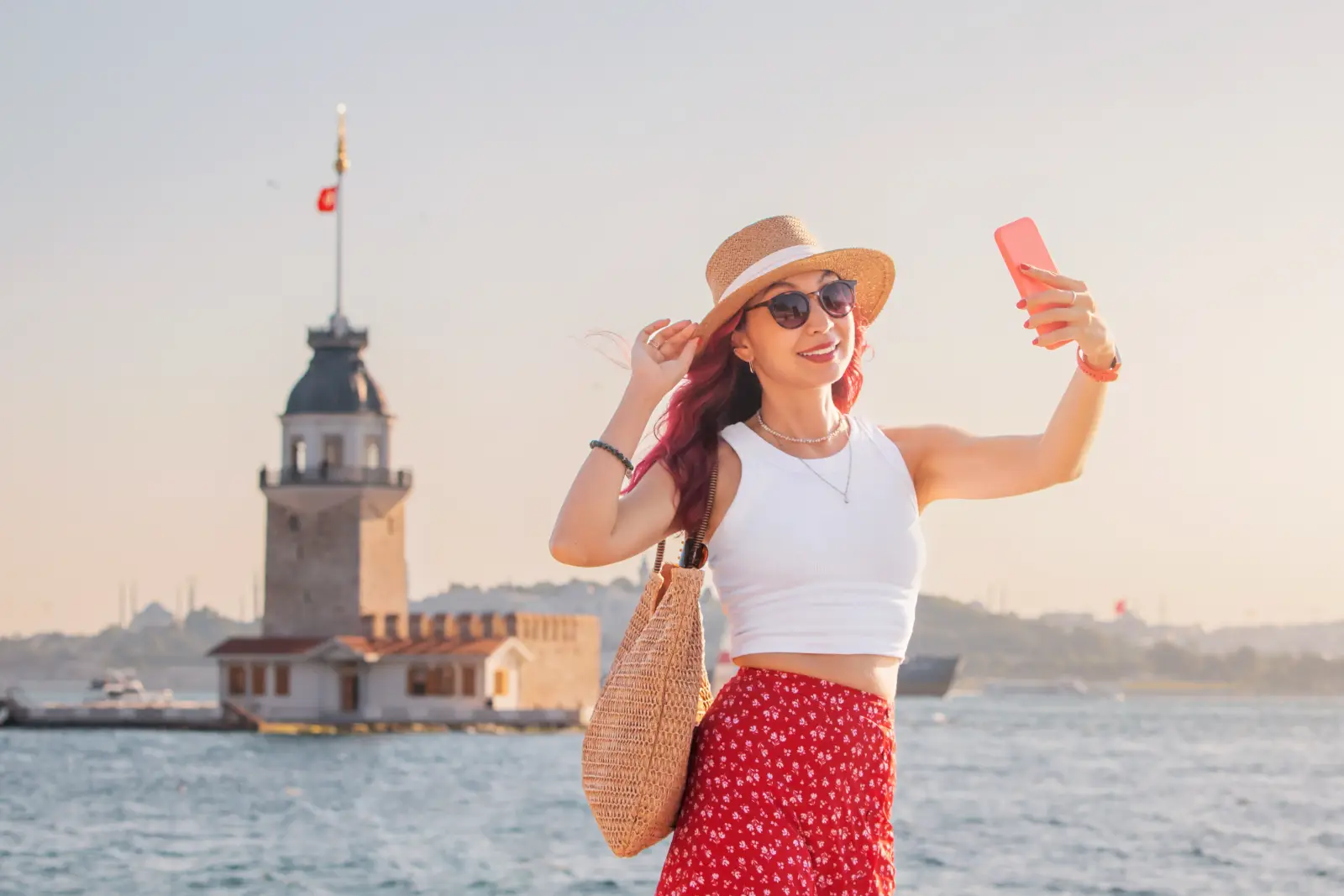
This change is easy to see, especially in places that many people visit, like Istanbul. In these places, people telling stories with pictures and videos help shape what others think. One video that gets shared a lot can make thousands of people want the same experience, even before they read more about it.
This trend is mainly about how platforms give rewards for engagement. Content that seems real, looks nice, and makes you feel something often gets shared more than other ads. This is the place where discovery leads to people wanting to go on trips.
Social Media as the New Travel Search Engine
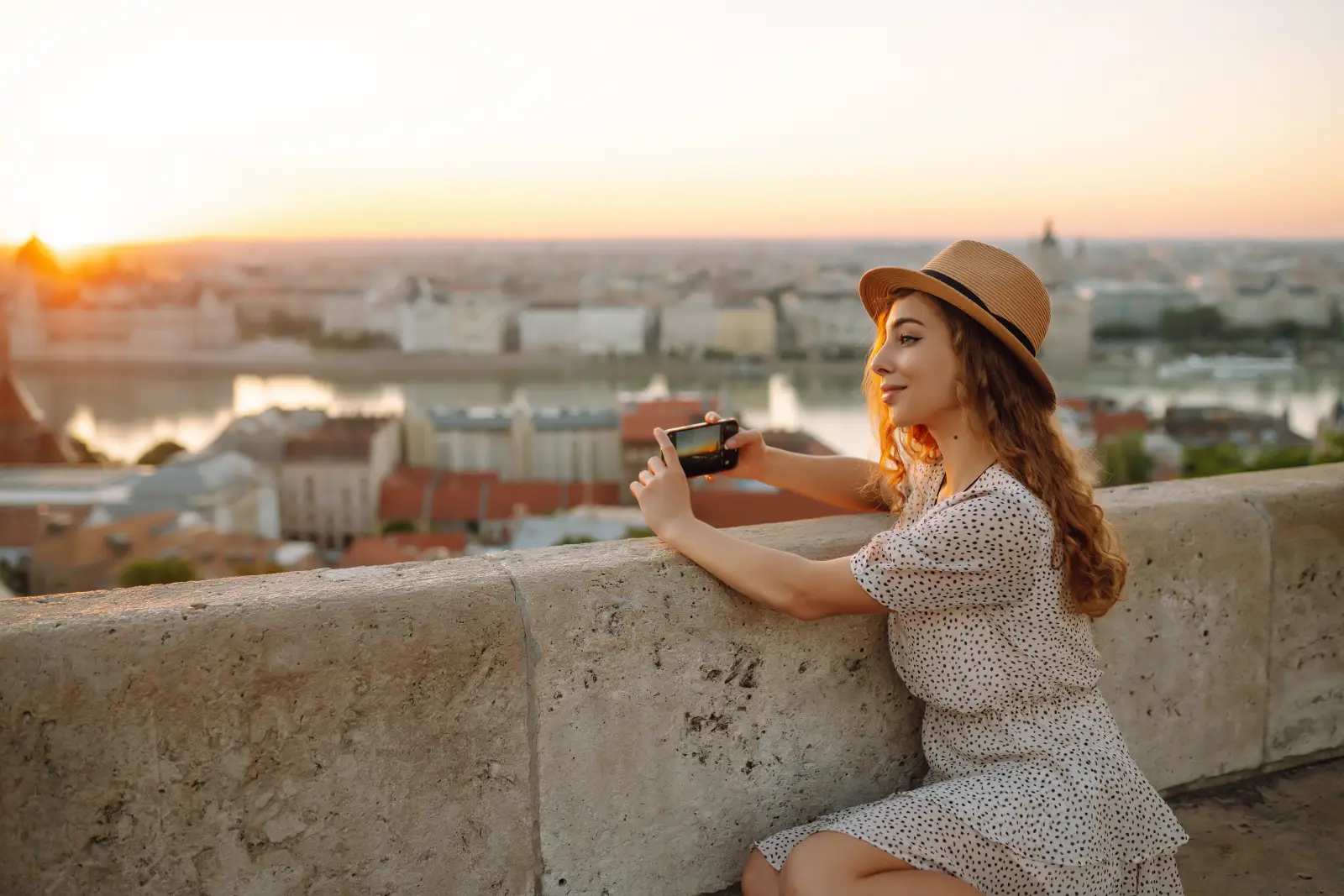
People do not always type in what they want now. They watch reels, stories, and influencer posts for ideas. The platforms show the same kind of travel pictures many times. Over time, this makes you feel like you know the place and want to go there.
This is where the use of engagement boosters and plans for growing your audience help. Many creators and travel pages want to get more views, so they use services like https://blastup.com/buy-instagram-followers to help their page get noticed early and connect with more people.
When content picks up speed, it does more than just stay on the internet. It can affect how people make travel plans in the real world. Many start to link some looks, feelings, and things to do with Istanbul. They feel this way even if they have not visited the city yet.
What actually influences travelers’ decisions?
Not all types of content are successful. There are three types of social media content that will be prominent in 2026. These are the ones that influence travel interest:
- Day-in-the-life travel clips
Real-life short videos perform better than elaborate ads. People want to see ads that they can relate to, and not just flawless ads.
- Micro-aesthetic moments
The small images, such as close-ups of food in the street, pictures of the sunset or something similar, are good. They are typically viewed more often than a long travel show. These are short videos that can make people feel something, and they may be more curious. They do so without providing too much information all at once.
- Creator-led storytelling
Brands are not as trusted as other people. A personal travel experience conveyed in a step-by-step manner is more authentic. When they read or see it, others want to try as well and do the same.
These formats do not only depict a location. They tell a story. It is a story that gets people from looking to thinking and planning what they’ll do next.
Why Istanbul Becomes a Viral Travel Magnet
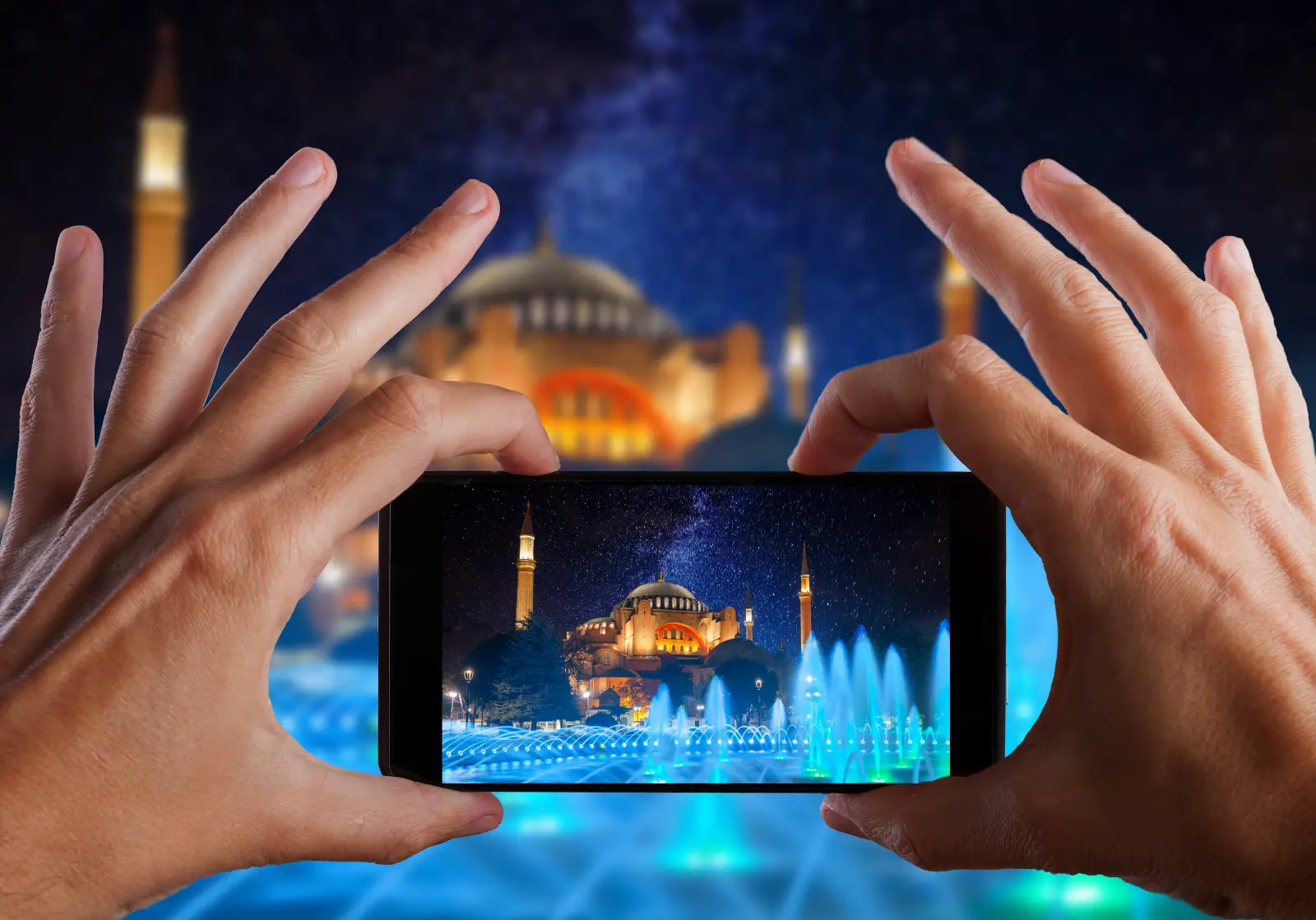
Some places do well on social media because they show clear differences, have a deep culture, and a busy street life. Istanbul is a good example of this. It stands out in a way that makes people want to share it on all kinds of sites.
The city draws people online not only for its famous places, but for the feel of daily life. This feeling comes from busy streets, the food people eat, the way buildings look, and how people move around. All of this comes together to give many ideas for making short videos.
But what matters in 2026 is that things going viral doesn’t just happen by chance. Algorithms help this by looking at watch time, saves, and shares. When a travel video starts to get more people’s attention, it is shown again and again to people who like the same things. This makes even more people notice it than before.
The Psychology Behind Social Travel Decisions
Social media does more than share details about travel. It shapes the way people see things. When people often look at the same type of travel posts, they feel like they know the place. A city or spot can feel familiar, even if they have not been there.
What Actually Works for Travel Influence in 2026
The best way to get good results is not just posting content. You need to post often and make your travel content feel real for people. The travel posts that get the most likes and shares usually follow a simple plan.
- Show real moments instead of making everything look perfect.
- Use short and interesting formats instead of long edits.
- Tell stories with feelings instead of just listing facts.
Creators and brands who know about this change can shape travel demand better. They do this more easily than the old ways of marketing.
The Role of Consistency and Visibility
One thing that people often forget about in social travel is posting on a schedule. When you put up new posts often, algorithms know what kind of content you share. Your likes, shares, and comments also help to show your posts to more people.
Quality alone will not always bring visibility. The time you share something, how your audience interacts, and early signs of interest are important too. Many creators want to build an early audience before they try to share their content with more people.
Final Takeaway: Social Media Is Now the First Step in Travel Planning
Travel inspiration in 2026 starts before you book your trip. It starts when you look at a screen. A place like Istanbul has many things to see, and with this change, more people will notice it. The moments in Istanbul turn easily into short videos.
It’s important for creators and travelers to know how social media trends shape the way people see things. Now, travel is not just about the places people go. It is also about how these places look online when people see them for the first time.
In this changing place, some tools help you be seen. For example, buying Instagram followers is one of them. It is used to help content get noticed faster and find people who want to read or watch travel stories.
Top Photo Credit: frantic00 / Shutterstock.com