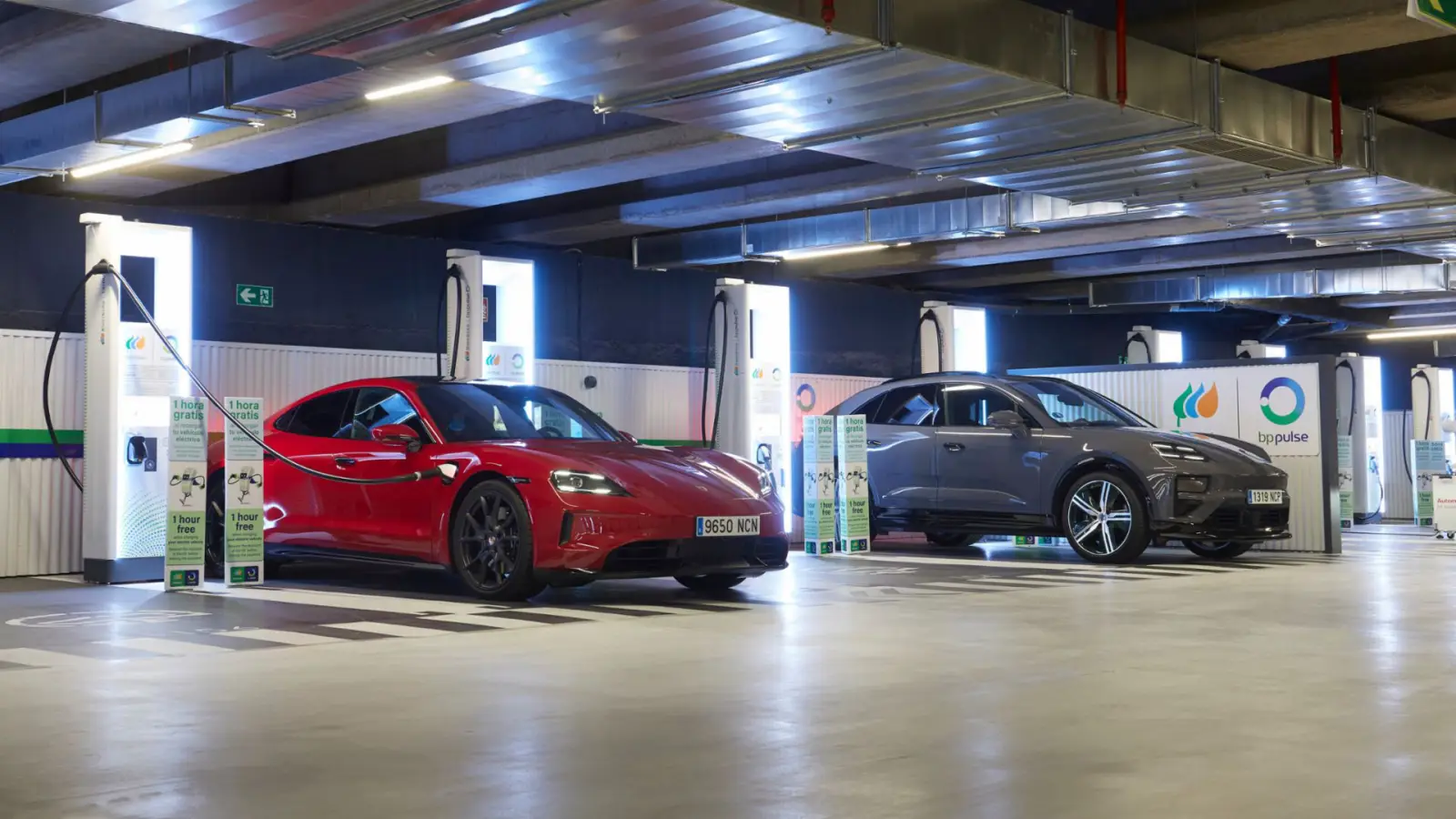
A QR code scam targeting public electric vehicle charging stations is spreading across Europe, raising concerns among drivers and industry experts.
The scheme increases the risk of payment fraud, as criminals use a tactic known as “charging station quishing” to lure users into entering credit card or bank details on fake payment websites.
IT security experts say several countries are affected, including Germany, Belgium, the Netherlands, France, Spain and Italy, and warn the scam may be more widespread globally. Operators and experts urge drivers to check QR codes for tampering, use official charging apps where possible, and verify the website address before paying.
In charging station quishing, criminals place counterfeit QR-code stickers over the original codes on public chargers. When a driver scans the code, it can lead to a convincing fake website designed to look like a legitimate payment page.
Drivers who enter their credit card or bank account details on these sites risk having the information intercepted by fraudsters. In some cases, the scam is harder to spot because users may be redirected to the real website during a second payment attempt.
Charging station operators are responding in different ways. Ionity recommends that drivers always check they are being redirected to the official payment page before entering any details.
In Germany, Eon recommends using its own charging app or choosing credit card readers on highways. The Munich municipal utilities and EnBW say they continue to trust their stickers and report no known cases of quishing.
Ubitricity says it has discovered fewer than 30 charging stations with counterfeit QR stickers in Berlin, but adds that no financial damage has occurred so far. Experts say drivers can reduce the risk by closely checking QR codes at charging stations for authenticity, using official operator apps whenever possible, and switching to alternative payment methods such as card readers if anything seems suspicious.
In Spain, the electric mobility association AEDIVE warned drivers in 2025 about fraudulent stickers attached to charging stations in several regions. The stickers often included QR codes or phone numbers and sometimes promised “free charging” or unusually low prices to lure drivers into scanning them.
Authorities advised drivers to ignore any stickers attached to charging posts that are not part of the original infrastructure and to rely instead on the official charging interface or mobile apps provided by operators.
Experts warn that the rapid growth of electric vehicles across Europe may worsen the problem. With hundreds of thousands of charging points now installed across the continent, drivers often rely on QR codes to access payment platforms, creating new opportunities for scammers.
To avoid falling victim to the scam, security specialists recommend checking charging stations carefully for signs of tampering before scanning any QR code. Drivers are also encouraged to use official charging apps, verify the website address before entering payment details and use alternative payment methods such as card readers whenever possible.
Experts say a simple solution could reduce the risk significantly: charging operators should avoid using QR-code stickers and instead display secure payment codes directly on the charger’s digital screen, making them harder for criminals to replace.