Emirates has reported a significant reduction in unexpected severe turbulence incidents across its global network after introducing a series of data-driven initiatives that use artificial intelligence, real-time analytics, and advanced weather prediction tools.
The Dubai-based airline said the program, launched last year, aims to improve passenger comfort and flight safety as turbulence becomes more frequent and severe due to changing atmospheric conditions. The system combines multiple data sources and partnerships to provide pilots with live turbulence information and predictive insights before and during flights.
Integrated Data Systems Support Smoother Operations
Emirates said its approach brings together several major technology partners, including SkyPath, Lufthansa Systems’ Lido mPilot, and the International Air Transport Association (IATA) Turbulence Aware platform. Together, these systems deliver a comprehensive view of weather conditions and turbulence patterns, allowing pilots to plan routes that minimize exposure to unstable air.
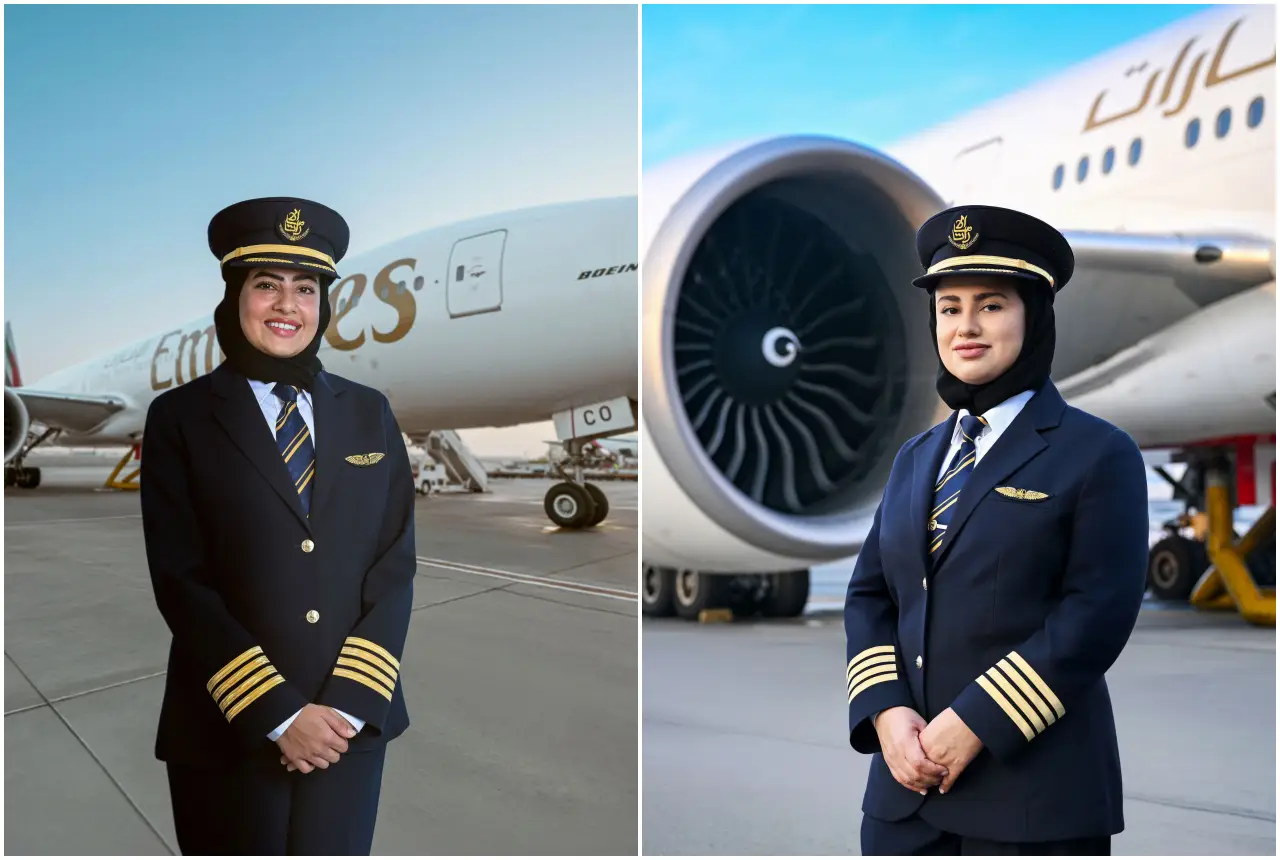
Captain Hassan Alhammadi, Divisional Senior Vice President Flight Operations at Emirates, said the airline remains focused on using advanced tools to improve flight safety. “We recognise that turbulence remains an ongoing challenge that cannot be completely eliminated, but we’re committed to doing everything possible to minimise unexpected severe turbulence encounters through working with partners who share our vision of using advanced technologies and adopting AI to enhance operations,” said Alhammadi.
He added that while turbulence-free flights are not possible, the airline’s new systems have already shown measurable results. “While we cannot promise turbulence-free flights, these initiatives have contributed to a significant reduction in unexpected severe turbulence incidents over the past year, helping make journeys safer and more comfortable for our customers,” he said.

Advanced Technology and Global Collaboration
Emirates’ partnership with SkyPath allows the airline to use AI and machine learning to detect and predict turbulence in areas where traditional weather models may not provide sufficient coverage. SkyPath’s technology integrates real-time turbulence reports from thousands of aircraft and combines them with data from multiple sources, including Eddy Dissipation Rate (EDR) readings, Automatic Dependent Surveillance–Broadcast (ADSB) transponders, and accelerometer-based measurements from iPad devices. This enables pilots to identify turbulence zones even in clear air, improving flight planning accuracy and in-flight awareness.
Through Lufthansa Systems’ Lido mPilot application, Emirates pilots also gain access to high-resolution weather data, including live cloud formation, convection, and icing predictions. The system’s integration with the airline’s operational infrastructure enhances situational awareness, providing crews with visual cues and timely weather alerts directly within their electronic flight bag charting system.
Emirates’ involvement in IATA’s Turbulence Aware program expands the scope of these tools by allowing the airline to both contribute and consume global turbulence data. The platform aggregates live information from participating carriers worldwide, creating a real-time turbulence map that can be shared across fleets. The data-driven model helps pilots anticipate unstable air and adjust flight paths to improve passenger comfort and reduce fuel inefficiencies caused by sudden altitude changes.
“Our multi-layer approach with weather prediction and technology partners and active participation in the IATA Turbulence Aware programme also enables us to contribute valuable data and insights to the broader aviation industry as we collectively work to address this growing meteorological challenge,” said Alhammadi.
Enhancing Safety and Passenger Experience
The integration of these systems represents part of Emirates’ wider strategy to apply advanced analytics and artificial intelligence to flight operations. The airline said its use of real-time turbulence visualisations allows pilots to make better-informed decisions, avoiding unstable conditions and minimising disruptions to service. The result is a smoother, safer experience for passengers and improved working conditions for cabin crews.
Turbulence, which can occur in both stormy and clear air, remains a leading cause of in-flight injuries and cabin service interruptions across the aviation sector. Industry experts have linked the increase in turbulence incidents to changing jet stream patterns and rising global temperatures. By investing in AI-based weather detection, Emirates aims to stay ahead of these trends and contribute to a global effort to manage the operational and safety impacts of turbulent air.
Emirates said the early results of its turbulence-reduction program validate the potential of technology-driven aviation safety systems. The airline plans to continue refining its predictive models and expanding data-sharing collaborations through IATA to support the global aviation community’s understanding of turbulence and its long-term effects on flight operations.
The airline operates one of the world’s largest international networks, with more than 140 destinations across six continents. Its commitment to real-time data integration and AI-supported weather prediction underscores a growing shift in commercial aviation toward proactive, analytics-based safety management.