As summer unfolds across Europe, travelers heading into Belgium may want to add one more item to their checklist: time. This season, the country is reintroducing border checks along selected internal Schengen routes—a decision that marks both a political statement and a logistical shift for freedom of movement in Europe.
If you’ve ever zipped from Amsterdam to Brussels by train without so much as flashing your ID, that seamless experience may soon feel different. Belgium’s move to reimpose border checks reflects rising concerns over irregular migration and strained asylum systems—issues that are reshaping travel across much of the continent.
What’s Behind Belgium’s Decision?
According to Belgian authorities, the move is a response to what officials describe as a “high-pressure migration situation.” The number of asylum applications in Belgium rose to nearly 40,000 in 2024, up over 11% from the previous year. Reception centers are near capacity, and public services—especially housing and healthcare—are reportedly feeling the strain.
Prime Minister Bart De Wever has signaled that these controls aim to discourage what’s known as “asylum shopping,” where migrants apply in multiple EU countries in hopes of the best outcome. By tightening its internal borders, Belgium hopes to reduce secondary movements of asylum seekers already registered elsewhere.
Though Belgium hasn’t announced a fixed start date, the checks are expected to begin this summer, with particular attention on:
- Motorway rest stops and car parks
- International buses and rail lines, especially those arriving at hubs like Brussels-South
- Flights from high-entry countries, including Italy and Greece
But this isn’t an isolated move. In fact, Belgium becomes the latest in a growing list of Schengen countries putting their foot on the brakes of Europe’s famously open internal borders.
The Schengen Borders Code: A Legal Framework
The Schengen Area, made up of 27 European countries, was created to eliminate border controls between participating states. But under the Schengen Borders Code, countries are allowed to temporarily reintroduce internal border checks under certain conditions.
The rules are strict. Such measures must:
- Respond to a serious threat to public policy or internal security
- Be used only as a last resort
- Be proportional and limited in duration
Depending on the legal article invoked, these checks may be set for up to 30 days (Article 25), extended in monthly intervals (up to 6 months), or—in exceptional crises—even longer. In urgent cases (Article 28), controls can begin immediately but must be lifted within two months unless formally extended.
The European Commission can review and issue opinions, but it cannot veto a Member State’s decision to reinstate controls.
Belgium Joins a Broader Trend
What makes Belgium’s case significant is not only the country’s central location in Europe, but also how it mirrors a broader trend.
According to official data from the European Commission, the following Schengen countries have temporarily reintroduced internal border controls in 2025:
- Germany: March–September, due to irregular migration and security risks
- France: May–October, citing jihadist threats and increased antisemitic attacks
- Italy: June–December, linked to migration routes and Jubilee-related risks
- Austria, Netherlands, Sweden, Denmark, Spain, and Slovenia: also declared controls for terrorism, organized crime, and asylum system overload
Here is the full list of countries that currently have border controls in place.
In each case, the return of border checks—however temporary—underscores a central European dilemma: how to maintain open travel while responding to very real concerns around security, migration, and public pressure.
What Travelers Should Expect
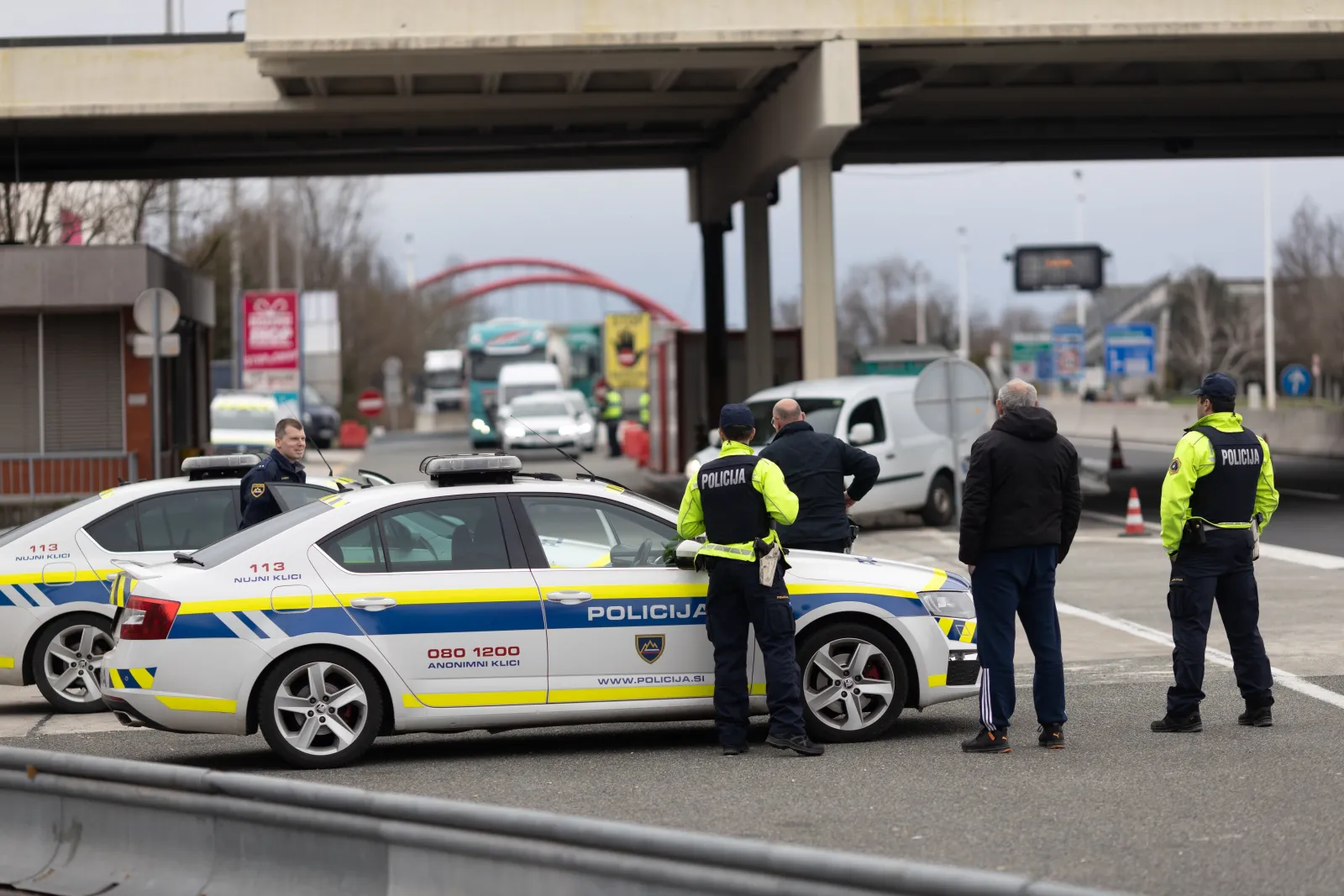
While most travelers will still find Belgium open and welcoming, the return of border checks means the occasional ID check or vehicle inspection. Officials insist the system will remain targeted and mobile, avoiding blanket closures or long queues like those once common at external borders.
Still, travelers entering Belgium via road, train, or flight—especially from southern Europe—should build in extra time and keep their passport or national ID handy, even for intra-Schengen travel. International buses and low-cost carriers are expected to face the bulk of inspections.
There’s no need to panic—think of it more like traveling within the U.S. post-9/11: most of the infrastructure remains fluid, but security may pull you aside for a closer look now and then.
Implications for the Future of Schengen
For fans of Europe’s open-border ideal, Belgium’s move may feel like a step backward. But for national leaders facing pressure over migration and asylum systems, it’s seen as a necessary compromise.
Some policy experts argue these checks reflect a “new normal” in Schengen: borders that are mostly open, but not unconditionally so. The European Commission continues to emphasize that such reintroductions must be exceptional, proportionate, and time-limited.
Still, critics worry that frequent reimpositions could erode trust in the Schengen system itself. After all, what good is a free-travel area if members routinely reinstate controls?
From a travel perspective, this change is unlikely to ruin your vacation or business trip. But it does highlight the shifting currents beneath Europe’s surface. Whether you’re planning to stroll through Bruges, attend a meeting in Brussels, or take the train from Paris to Liège, consider this your heads-up: the border may be back, at least for a while.
As Belgium rolls out its plan for selective border checks, travelers will once again become part of the story. For now, the checks are more symbolic than obstructive, meant to signal control and caution rather than to wall off the country.
Just be sure to pack your ID, allow a little extra time, and, as always, stay informed. In a Europe that’s constantly evolving, flexibility is as essential as your boarding pass.
Planning a trip to Belgium or passing through a Schengen border this summer? Let us know your experiences or questions—we’d love to hear from you.
Photo credit: Fotopogledi / Shutterstock.com