Travel has changed. Travelers aren’t just chasing landmarks anymore; they’re chasing atmospheres. They want to understand how a city feels and how it lives. For interior design enthusiasts, that often means paying attention to places that don’t show up on classic sightseeing lists.
In that sense, admiring high-end design today doesn’t necessarily require stepping into museums or traditional galleries; you might spot a name like Edra in hotels, cafés, former residences, or cultural spaces tucked into the urban fabric. Across Europe’s major cities, there are interiors worth traveling for, quietly removed from mass tourism.
Three Milan Stops, Different Styles
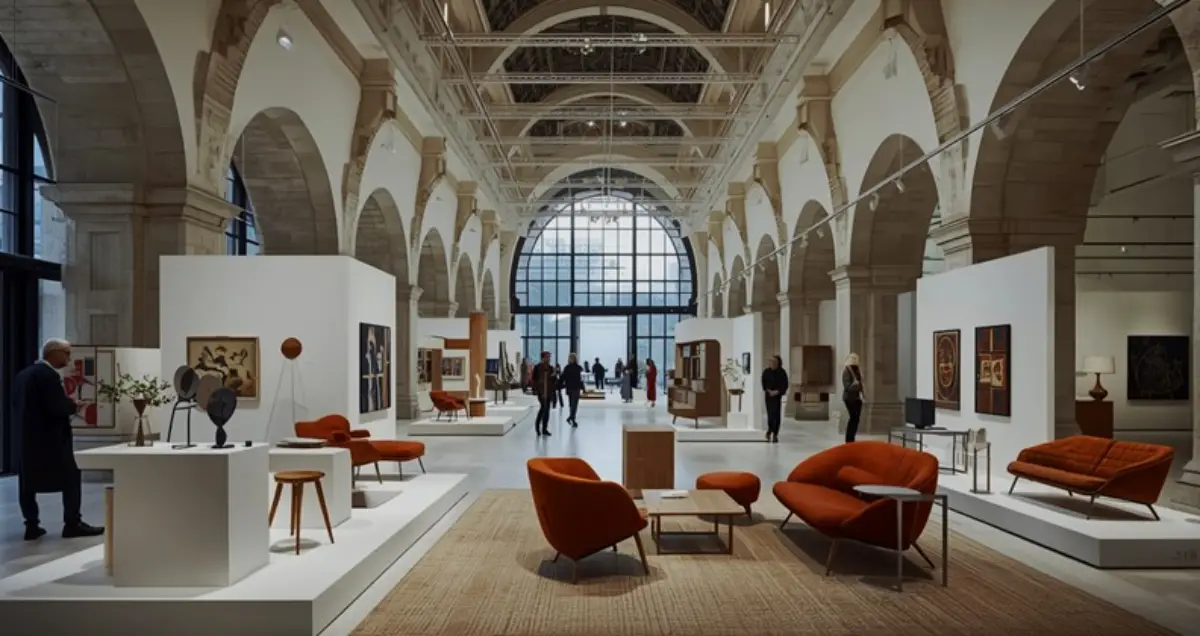
Nilufar Depot rejects conventional thinking in the world of furnishings, bringing together collectible design, contemporary experimentation, and references to Renaissance-level craftsmanship. More than a gallery, it functions as a space for exhibitions, research, and dialogue, where design is presented as a living cultural process rather than a finished product.
Bar Luce is located in the entrance building of the Fondazione Prada and was designed by American film director Wes Anderson. It’s a space for eating, drinking, talking, and reading. Its color scheme, Formica furniture, seating, flooring, and wood wall panels evoke Italian popular culture and aesthetics from the 1950s and 1960s.
In the heart of Milan, Villa Necchi Campiglio stands out among other noble residences because it’s not a palace, it’s a single-family home built in 1935. Its Art Déco interiors, defined by clean lines and generous light, are a reference point for the style.
Paris Design Trail: Beyond Tourist Routes
A milestone in the history of construction and design, the Maison La Roche is a duplex designed by Le Corbusier in 1925. Its interiors demonstrate his systematic experimentation with color, conceived as a bridge between architecture and painting.
The Silencio Club was created under the artistic direction of filmmaker David Lynch. The club has a surreal atmosphere featuring soft lighting, blue and scarlet neons, contrasting materials such as gold walls and minimalist furniture. The asymmetrical seating creates a sense of ambiguity and unease, much like the twisted narrative of his films.
Galerie Patrick Seguin is an exhibition space that showcases the works of artists who are now considered cornerstones of 20th-century design. The gallery, founded in 1989, treats modernist furniture as cultural heritage, displaying it with architectural precision.
Berlin’s Bauhaus Design Blueprint
The Bauhaus-Archiv is a design museum in Berlin that collects documents, articles, and projects related to the Bauhaus. Its exhibitions explore the movement from educational, architectural, and design perspectives, highlighting its lasting influence on everyday living.
Barcelona’s Design Scene, Sharp And Quiet
Roca Barcelona Gallery is a multidisciplinary space built around design, innovation, and sustainability. It functions as a meeting place for architects and designers, using architecture and interiors to communicate the brand’s approach to materials and function.
The Il·lacions Gallery is a space where disciplines converge. Functional and aesthetic standards are challenged, pushing the boundaries of design. The gallery exhibits unique 21st-century design pieces and limited-edition series that challenge the distinctions between art, craft, and industrial production.