Dubai’s tourism industry is working to recover after months of regional conflict disrupted airspace, rattled visitor confidence and slowed spending across the city’s hotels, restaurants and attractions — even as flights, hotels and businesses have largely returned to normal operations.
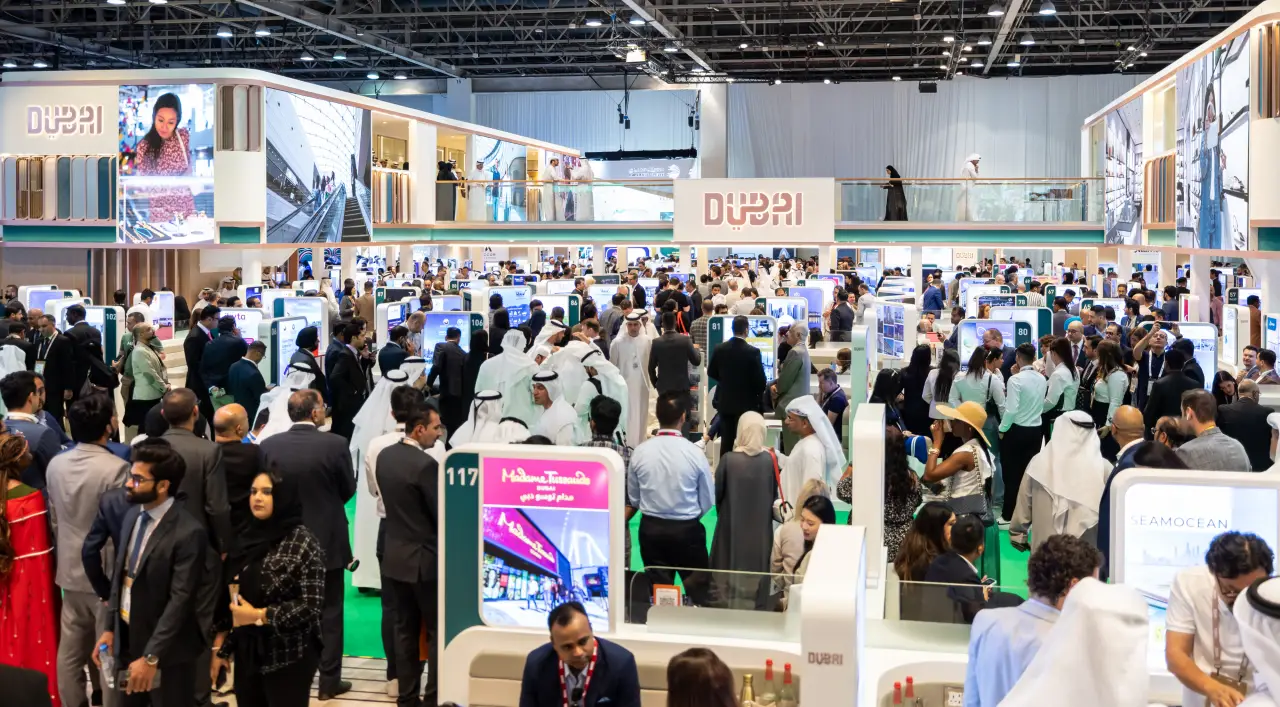
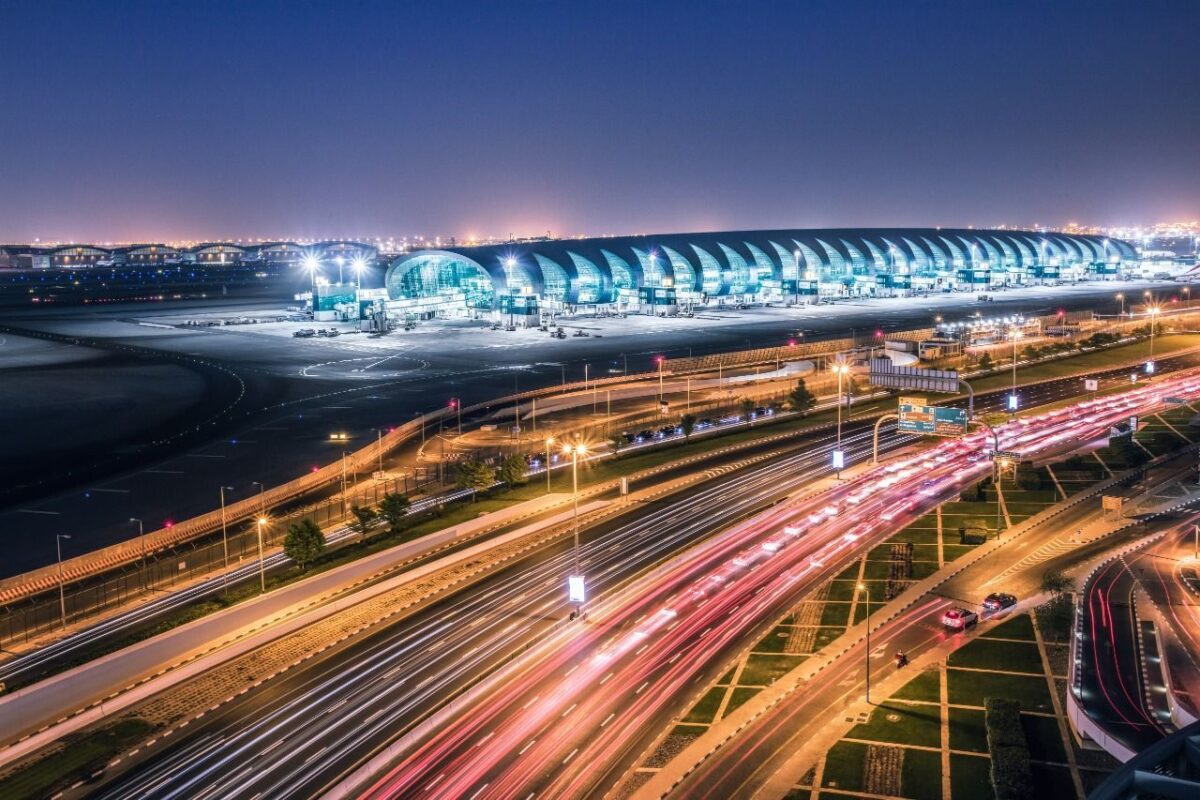
On the surface, the Gulf’s tourism powerhouse looks close to normal. Traffic is building again, restaurant tables are filling up and more than 40 airlines are operating at Dubai International Airport. Beneath that, hoteliers, airlines and hospitality firms are working to persuade travellers to return after one of the most serious disruptions to Dubai’s tourism model in years.
Airlines Returning, But Passenger Numbers Still Down
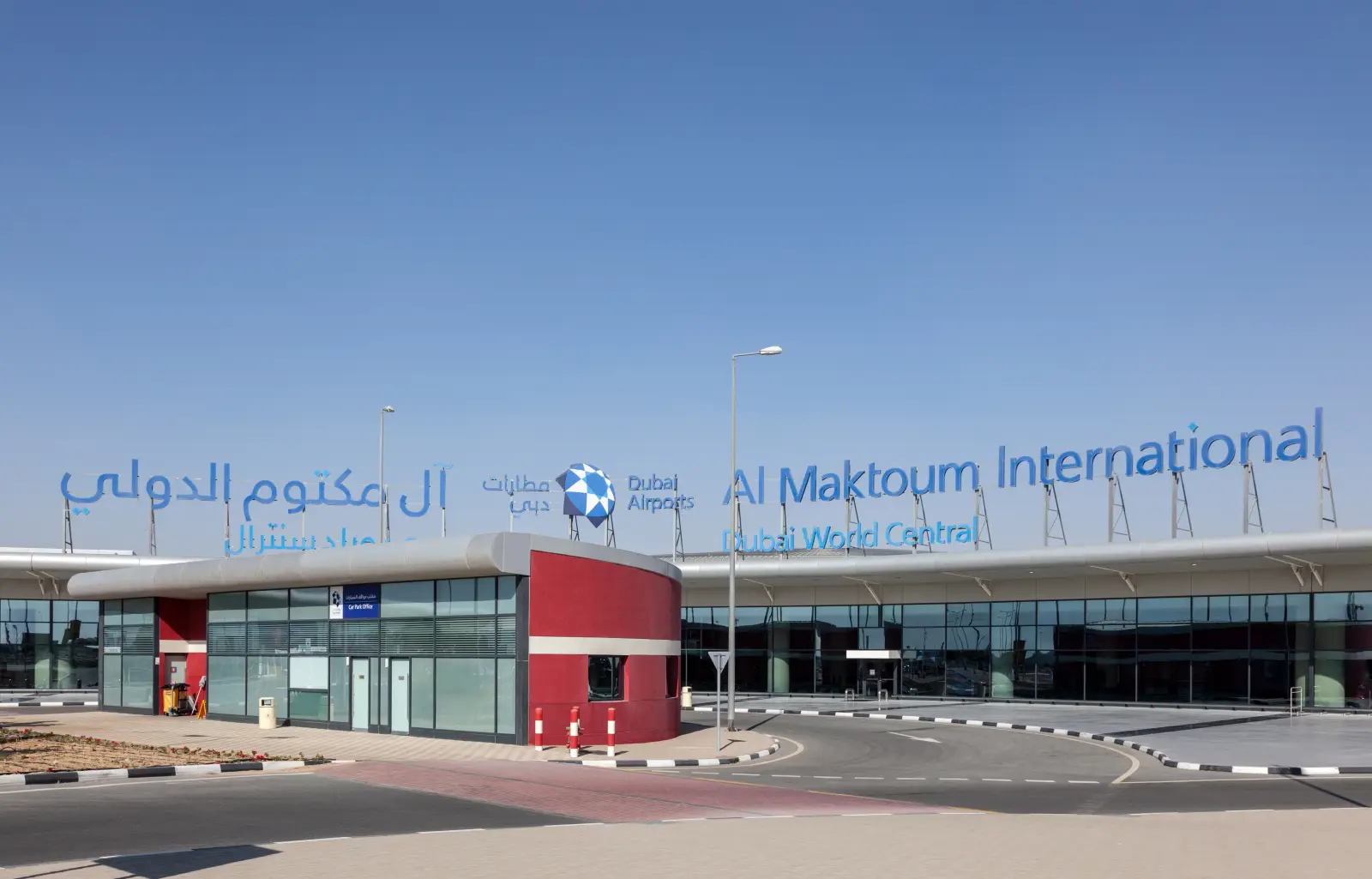
Dubai’s airspace officially reopened on 2 May 2026, ending nearly three months of flight restrictions and security protocols in place since February. Major carriers including Emirates, Etihad Airways, British Airways and Qatar Airways have since resumed or scaled up services, with Gulf airlines now operating at approximately 80% of pre-conflict levels.
Despite the resumption, passenger numbers at Dubai International Airport remain below previous highs. Dubai International Airport recorded 18.6 million passengers in the first quarter of 2026, compared with 23.4 million in the same period of 2025. March saw the sharpest drop, with passenger volumes falling by an estimated 66% from typical seasonal levels, according to industry data.
Emirates Airlines has announced a 10% increase in flight frequencies across its busiest global routes from mid-May, while seat availability from the United Kingdom and India has risen by 30% as airlines restore full schedules. Hotel bookings for June and July have seen a 30% spike, particularly in high-demand areas such as the Palm Jumeirah and Downtown Dubai.
Hospitality Sector Cautiously Optimistic
The recovery is uneven. Crowds remain smaller than before the conflict, spending is cautious and many businesses are offering discounts to draw customers back. Some residents report salary reductions and a rising cost of living, adding further pressure to the city’s consumer economy.
Naim Maadad, founder and CEO of Gates Hospitality, said the crisis had created hesitation rather than fundamentally damaged confidence in the UAE itself. He noted that international audiences often perceive the Middle East as a single region, blurring the differences between individual countries.
“The UAE, however, continues to demonstrate stability, infrastructure strength and operational continuity,” said Maadad, who described the overall impact as “softer footfall” affecting both domestic and international business.
Aleksandr Supinski, owner of Dubai-based photo tourism company TicToc Travel, said there was a significant gap between how the situation had been portrayed in parts of the Western media and conditions actually experienced on the ground in Dubai.
Travel Warnings Weigh on Confidence
Travel warnings from several Western governments continue to shape booking behaviour. Australia has advised citizens not to transit through the UAE, Canada continues to advise against all travel to the country, and the United States urges travellers to reconsider travel. The United Kingdom’s Foreign Office has advised against all but essential travel to the UAE.
Industry figures say those warnings have had a greater effect on confidence than on physical operations. Issam Kazim, CEO of the Dubai Corporation for Tourism and Commerce Marketing, said Dubai remains “safe and stable” and expressed confidence in a “sound and full recovery” as airline operations continue to scale back up.
The World Travel and Tourism Council (WTTC) estimated the Middle East conflict was costing the region’s travel and tourism industry approximately €515 million per day at its peak. Regional aviation hubs in Abu Dhabi, Dubai, Doha and Bahrain typically process around 526,000 passengers per day, a figure that dropped sharply during the period of airspace disruptions.
Dubai Launches AED 1 Billion Tourism Support Package
In response, Dubai introduced an AED 1 billion tourism support package alongside a system of “Safe Air Corridors” managing 48 flights per hour. A unified regional tourism strategy, announced on 7 May 2026 alongside Qatar and Saudi Arabia, is now targeting a return to growth through family-focused campaigns, cultural storytelling and infrastructure investment.
The UAE Ministry of Economy and Tourism reported that the sector posted record performance in 2025, with hotel guests reaching 32.34 million, a 5.2% increase on 2024. The government has projected the UAE’s tourism value will reach AED 237 billion in 2026, though the conflict has introduced uncertainty around that target. Abu Dhabi alone is targeting AED 62 billion in tourism contribution this year, representing a 13% increase on the previous year.
Hotel occupancy rates are expected to reach 80 to 90% in key tourist zones by summer 2026, according to industry forecasts, supported by the return of international airlines and a growing number of promotional offers from luxury properties including Atlantis The Palm and The Ritz-Carlton Abu Dhabi.
The Road Back
Dubai’s tourism sector has long relied on the promise of safety, efficiency and luxury. Those assets remain in place, but the recent period of conflict has shown that keeping infrastructure open is not the same as restoring traveller confidence. A Dubai Tourism Summit scheduled for June 2026 is expected to address recovery strategy and set a new roadmap for rebuilding international visitor numbers through the remainder of the year.
For now, the city is open for business. The challenge is persuading the world that it is back to normal.
Photo Credit: Kjersti Joergensen / Shutterstock.com