For many travellers, the dream of a European city break has begun to lose its shine. Overcrowded streets, rising prices and constant noise are pushing people to rethink what a rewarding trip really looks like.
Against this backdrop, a lesser-known capital in northern Europe is emerging as a compelling alternative for 2026. According to new research and destination data shared by Go Vilnius, Lithuania’s capital is quietly positioning itself as a calmer, greener and more sustainable choice for travellers seeking something different.
The shift reflects wider changes in travel behaviour across Europe. Research by the European Travel Commission shows that 55% of European travellers are actively seeking niche, off-the-beaten-track destinations, particularly during the “shoulder season” between peak and low travel months. More than one in ten respondents said their top priority is simply to avoid crowds, a trend that has reshaped how destinations promote themselves.
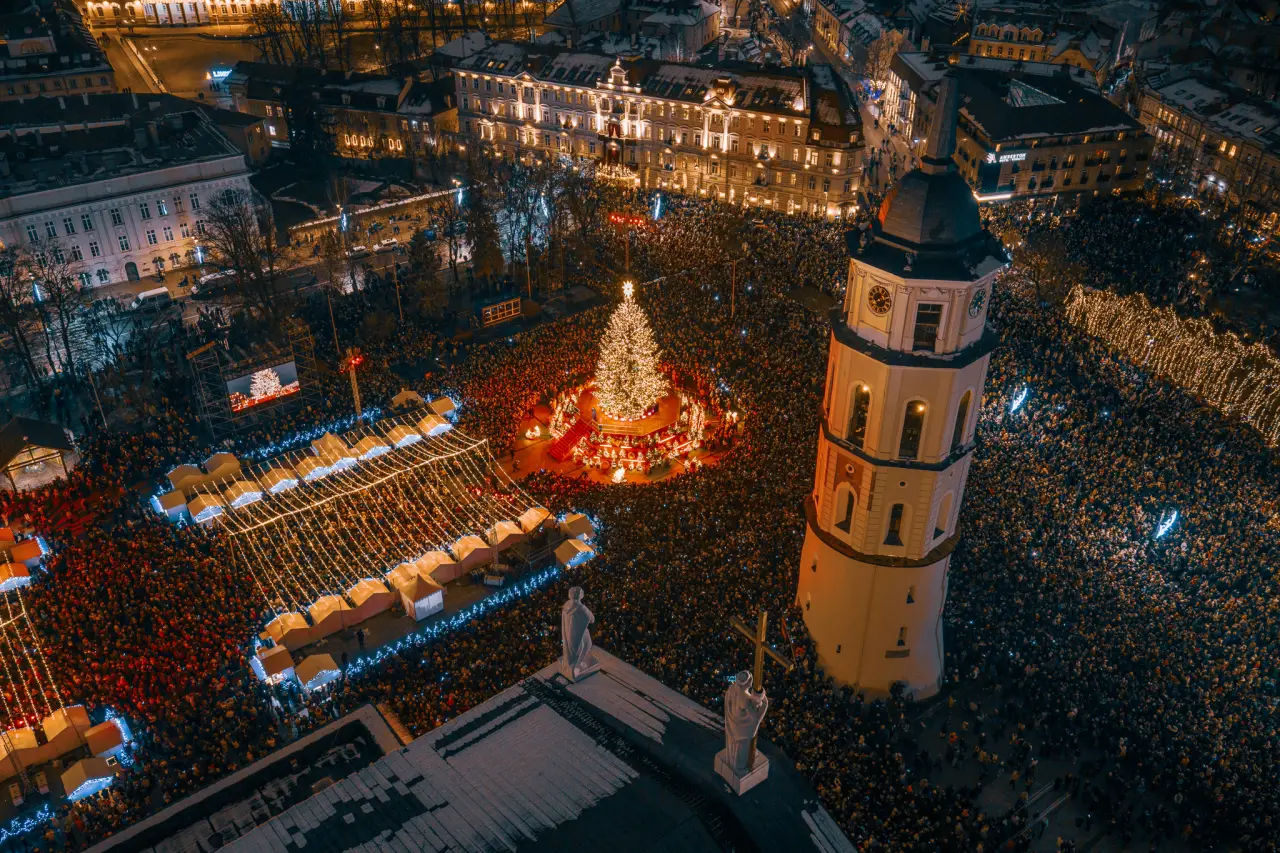
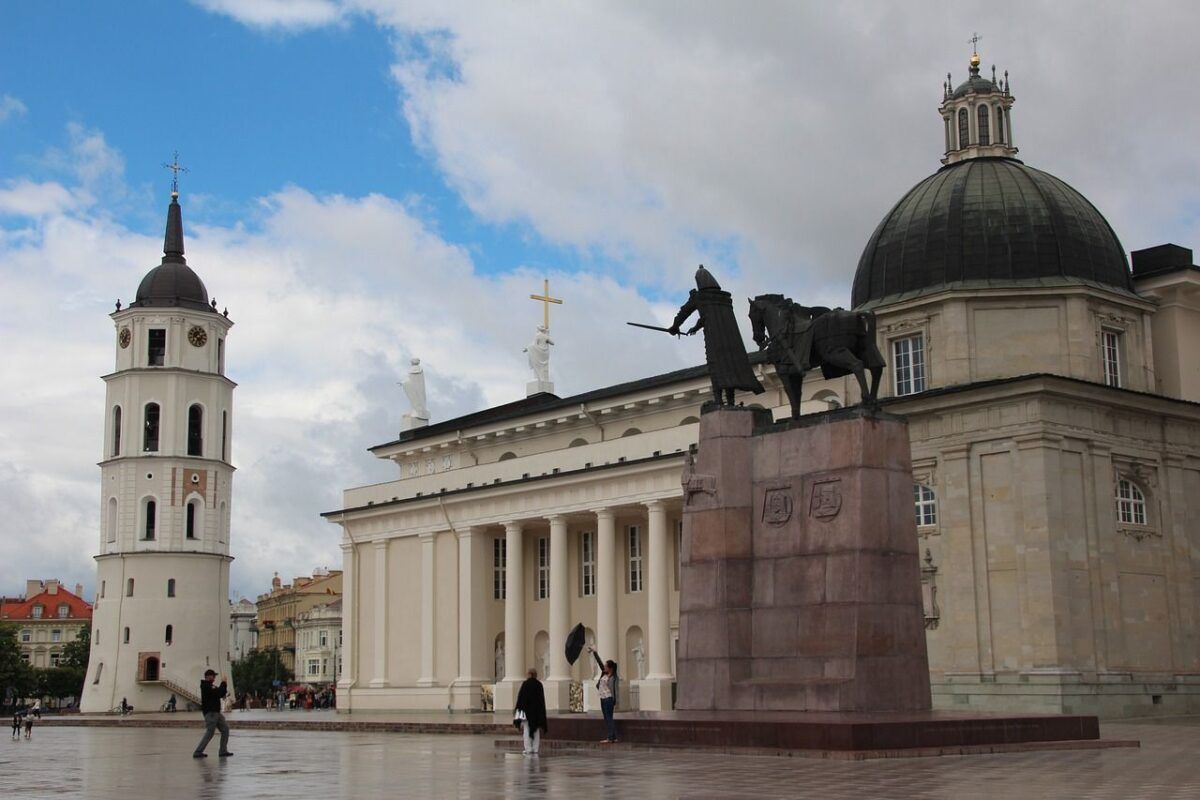
Vilnius fits neatly into this evolving picture. With annual visitor numbers of around 1.2 million, the city remains far less busy than Europe’s tourism heavyweights such as Paris or London, which each welcome more than 20 million visitors a year. That difference is immediately noticeable on the ground, where historic streets feel lived-in rather than overwhelmed.
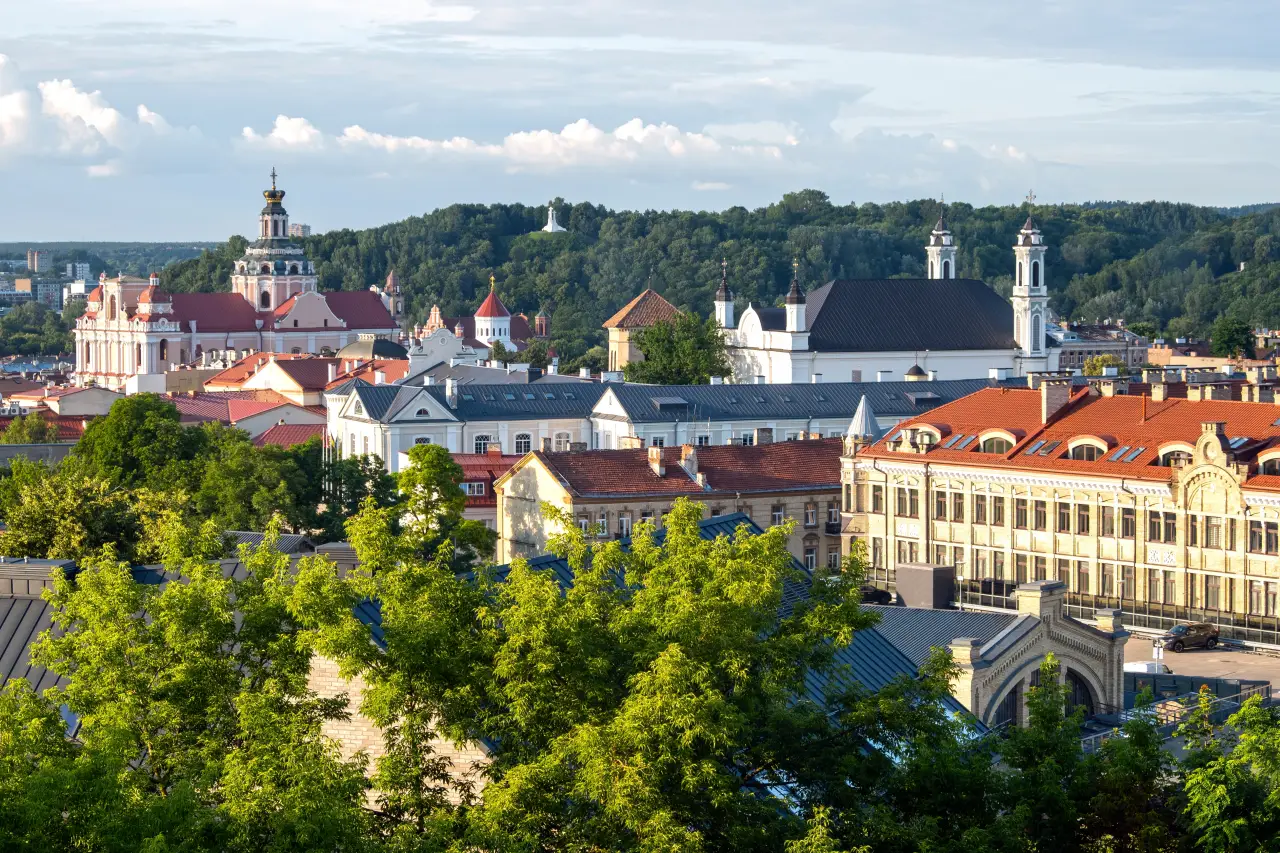
Nature is another defining feature of the city’s appeal. Trees cover about 48% of Vilnius, offering easy access to forests, rivers and lakes without leaving the city limits. For travellers increasingly drawn to outdoor experiences, this balance between urban culture and green space is becoming a major deciding factor.
Sustainability also plays a growing role in travel decisions, and Vilnius has leaned into this trend. Booking.com’s Travel Predictions 2026 found that 93% of travellers want to make more sustainable choices. The city’s compact, UNESCO-listed Old Town is designed for walking, while more than 140km of cycle paths make car-free exploration realistic.
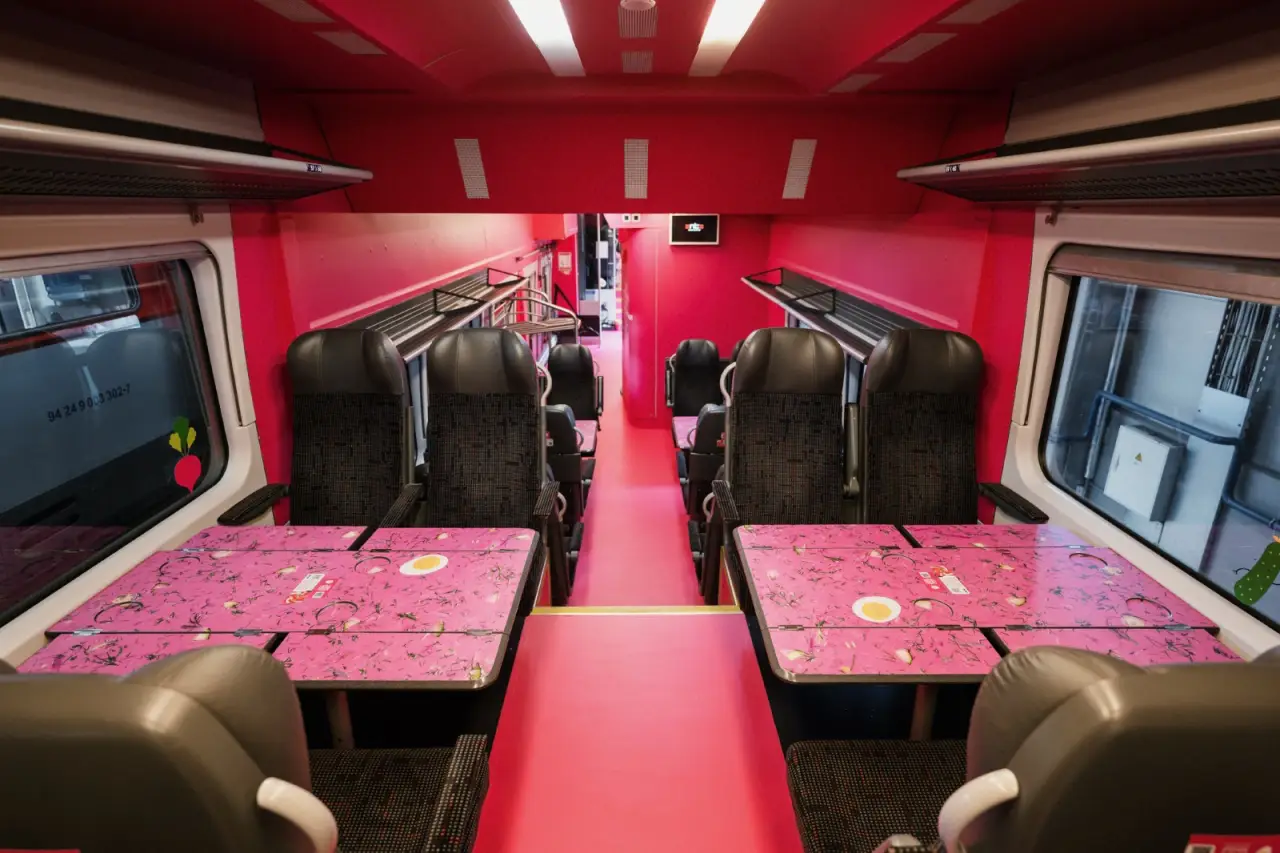
Rail access strengthens that low-impact appeal. Vilnius has improving train connections to Poland, including an affordable daily service from Warsaw, making it easier for travellers to skip short-haul flights. Public transport use has also risen, increasing by 10% in the first half of 2025, according to local data.
“Overcrowding, noise, pollution, and heat are making many destinations in Europe less enjoyable for tourists,” said Eglė Girdzijauskaitė, Head of Communication at Go Vilnius. “Vilnius offers an off-the-beaten-track alternative with fewer crowds but plenty of authenticity.”
That sense of ease extends into wellness travel, an area where Vilnius has gained unexpected recognition. The city has been labelled Europe’s “sleep capital” after ranking highly in a survey assessing air quality, light pollution and access to green space across more than 300 European cities. Lithuania was also named the World’s Best Wellness Destination at the ITB Health Tourism Awards in 2025.
Food culture adds another layer to the experience. Vilnius now boasts four Michelin-starred restaurants, alongside a lively local dining scene that blends tradition with experimentation. Events such as the annual Vilnius Pink Soup Festival, a playful celebration of a beloved local dish, give visitors a window into everyday culture rather than staged attractions.
Safety and comfort remain essential considerations for travellers, particularly those travelling solo or with family. Vilnius consistently ranks among Europe’s safest cities, with clean streets, well-maintained public spaces and drinking water that is safe straight from the tap. These details, often overlooked, shape how relaxed visitors feel while exploring.
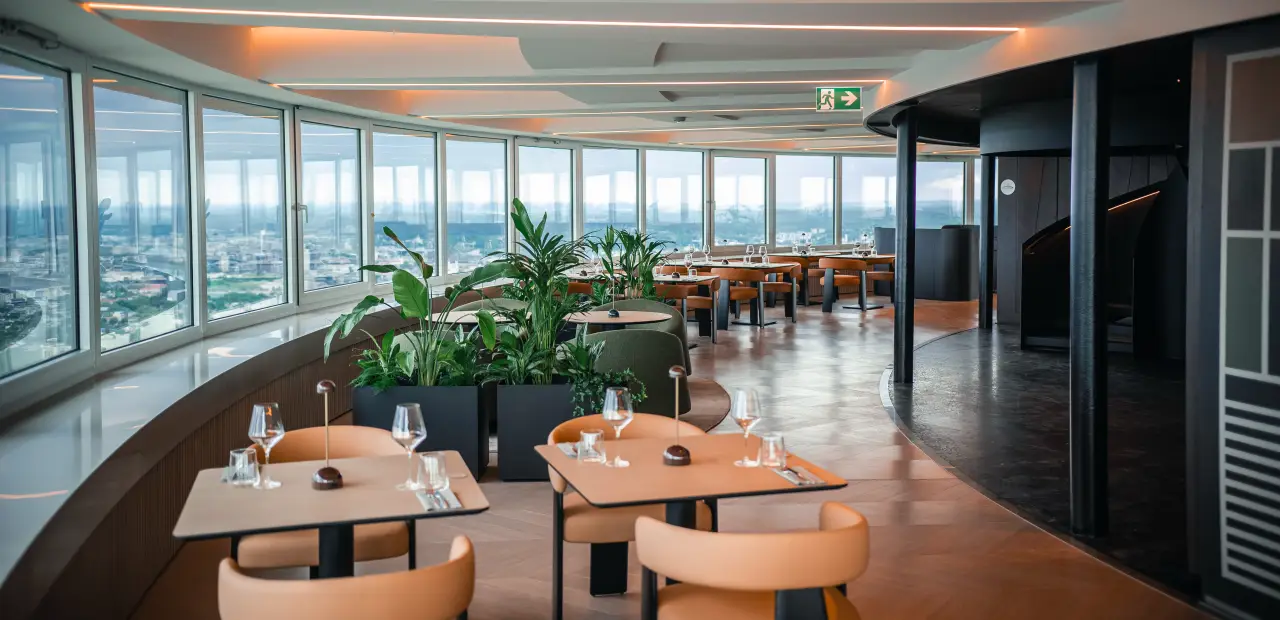
The city is also in a period of rapid transformation. As the fastest-growing capital in the Baltics, Vilnius is seeing former factories and even prisons converted into cultural centres, galleries and restaurants. For travellers, this creates a sense of discovery and change rather than a destination frozen in time.
Timing matters too. While summer remains popular, Go Vilnius highlights April, May, September and October as ideal months to visit. These shoulder-season windows bring milder weather, fewer visitors and a slower pace that aligns with the city’s broader appeal.
As travellers plan ahead for 2026, Vilnius offers a clear proposition. It is not trying to outshine Europe’s famous capitals, but to provide an alternative shaped by calm, culture and connection to nature. For those willing to look beyond the obvious choices, the reward may be a city break that feels refreshingly human.