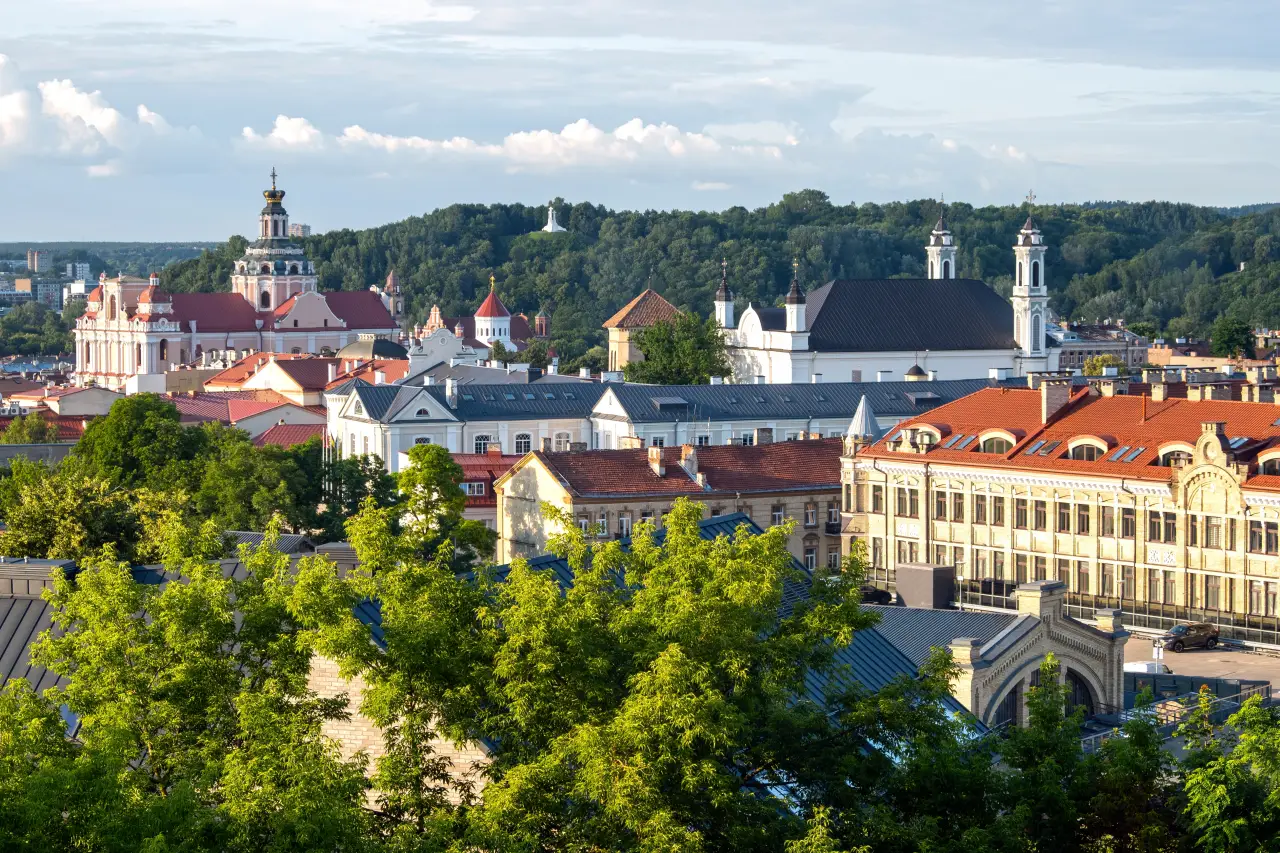
A major Catholic gathering will bring around 5,000 pilgrims to Vilnius this June as the Lithuanian capital hosts the 6th World Apostolic Congress on Mercy (WACOM).
The international event, organised by the Vatican’s Dicastery for Evangelization, will take place under the theme “Building the City of Mercy” and is expected to attract participants from across the globe.
The congress highlights Vilnius’s historic role as the birthplace of the Divine Mercy devotion, one of the most widespread spiritual movements in modern Catholicism. The city was selected to host the event because it is where the first image of Divine Mercy was created in 1934.
At that time, a young Polish nun named Faustina Kowalska was living in a convent in the Antakalnis district of Vilnius. She reported visions of Jesus with two rays of light, red and white, streaming from his heart, symbolising compassion and divine forgiveness. Local artist Eugeniusz Kazimirowski painted the first Divine Mercy image based on her visions.

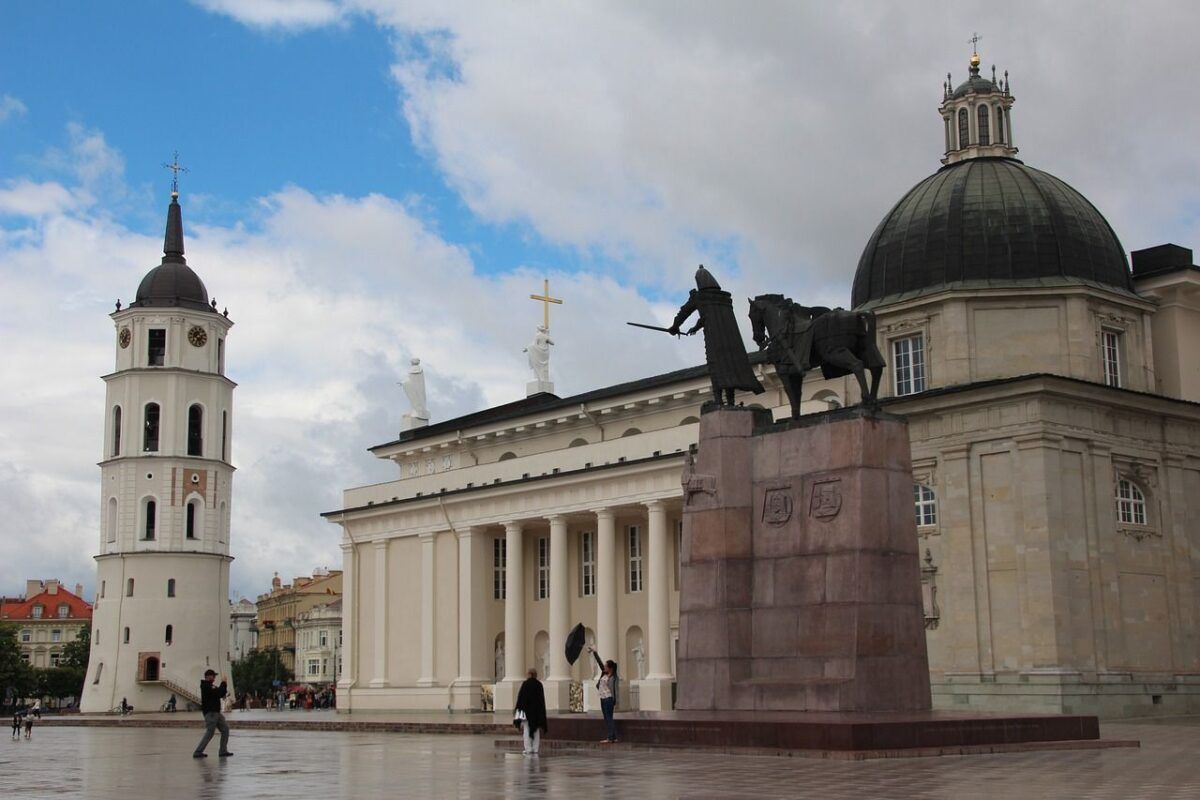
The image later spread worldwide and today appears in Catholic churches across the globe. The original painting remains on display at the Shrine of Divine Mercy in Vilnius Old Town, a UNESCO World Heritage Site with more than 30 churches within walking distance.
“While in Vilnius, WACOM participants can explore the Way of Mercy – a pilgrimage route linking 14 sacred sites, St. Faustina’s house, and the Gate of Dawn chapel, home to a 17th-century icon of the Mother of Mercy,” said Gintaras Grušas, Archbishop of Vilnius.
The congress programme will run for five full days and include conferences, concerts, talks and special events featuring international speakers. Among those scheduled to participate are Catholic speaker John Pridmore, Archbishop of Krakow Grzegorz Ryś, Anglican pastor and Alpha founder Nicky Gumbel, Catholic podcaster Matt Fradd, and the Kissel Family, known through their YouTube ministry.
“Every afternoon, participants will step away from the conference hall and into the Old Town’s churches for the Hour of Mercy. This way the city itself becomes part of the congress,” said Inesa Čaikauskienė, Director of the World Apostolic Congress of Mercy Vilnius 2026.
Vilnius has long served as a spiritual crossroads where Catholic, Orthodox, Jewish and Protestant communities have left their mark on the city’s architecture and cultural identity. The congress and pilgrimage activities reflect this wider religious heritage.
Compared with many well-known pilgrimage destinations in Europe, Vilnius remains relatively uncrowded. The city receives around 1.2 million visitors annually, far fewer than the roughly 5 million who travel to Vatican City or the Sanctuary of Our Lady of Lourdes in France each year.
Tourism officials say the city’s lesser-known status is one of its biggest draws. According to a recent survey by Go Vilnius, 30% of inbound visitors chose the Lithuanian capital specifically to discover somewhere new, with many noting the city’s historic architecture, walkable streets and access to nearby nature.
Top Photo Credit: Savvapanf Photo / Shutterstock.com