When Donald Trump famously floated the idea of buying Greenland, the world laughed — then people started Googling.
Suddenly, this vast Arctic island wasn’t just a remote blank spot on the map, but a place people genuinely wanted to understand. Beyond the headlines lies a destination packed with towering icebergs, colorful towns, and raw wilderness that rewards curious travelers willing to go a little farther.
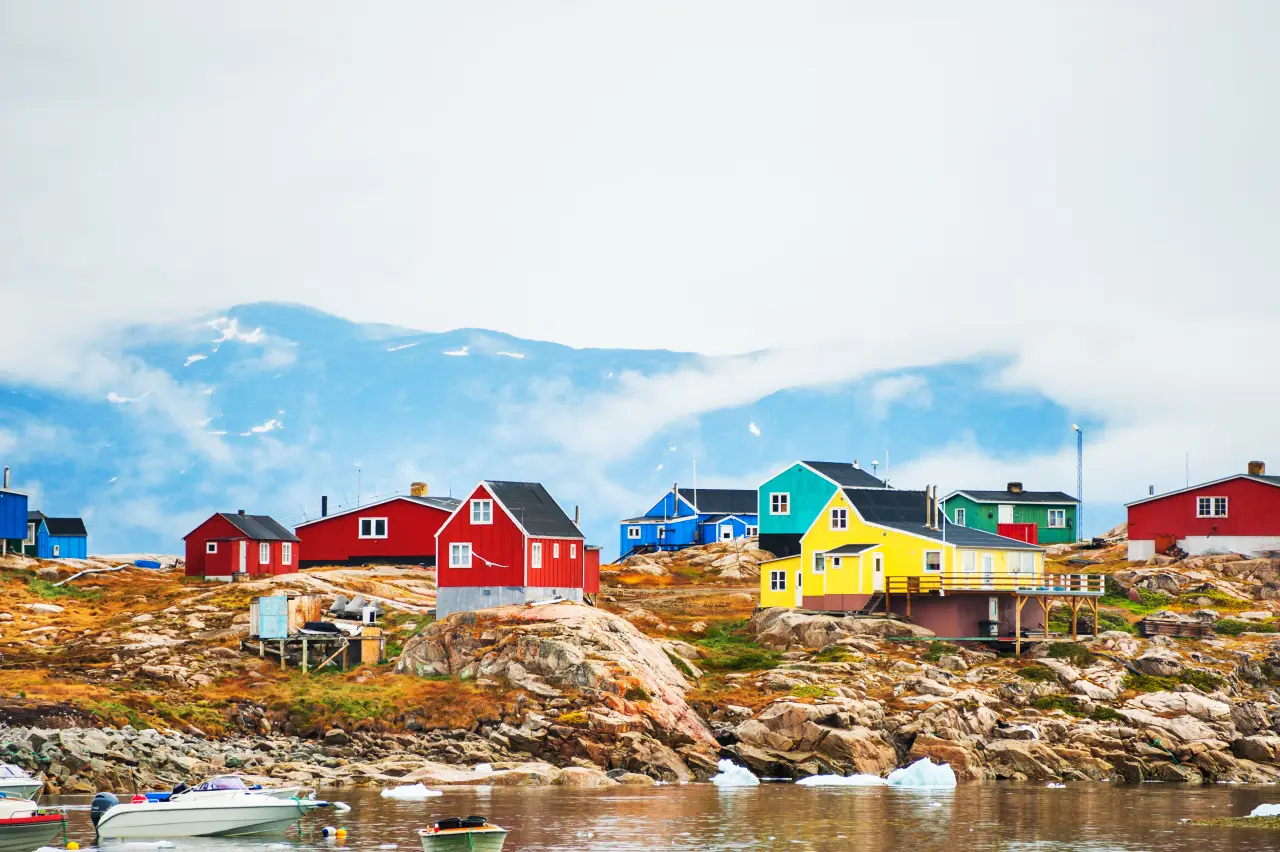
Greenland is the world’s largest island, yet it has fewer people than many small cities. Most communities sit along the coast, surrounded by mountains, glaciers, and open sea. There are no highways linking towns, no crowded beach resorts, and very little light pollution—just big landscapes and the feeling that nature is still in charge.
For travelers who want real quiet, fresh air, and scenery that doesn’t look like anywhere else, Greenland can feel like a reset button. You can kayak past icebergs, hike along fjords, watch whales rise from dark water, or stand under the Northern Lights in a sky so clear it looks unreal. This is not a place you “do” in a hurry, but if you plan it well, it becomes one of the most unforgettable trips you can take.
Best time to go
The best time to visit Greenland depends on what you want to do, because seasons shape everything here—daylight, tours, transportation, and even how easy it is to move between towns.
Summer (June to August) is the most popular season for good reason. Days are long and bright, and in some regions the sun barely sets, giving you hours and hours for hiking, boat trips, and sightseeing. Temperatures are cool but comfortable for outdoor activities, and this is the easiest time to find tours for iceberg cruises, kayaking, and whale watching.
Summer is also when Greenland is busiest, so you should book flights, accommodation, and excursions well ahead of time. Demand is highest in places like Ilulissat and Nuuk, and availability can disappear quickly.
Autumn (September to October) brings fewer visitors and the return of darker nights, which can improve your chances of seeing the Northern Lights. The tundra turns golden and red, and the air feels crisp and clean. Some boat tours slow down as ice begins to return, but if you want quieter streets and striking landscapes, autumn is a strong choice.
Winter (November to March) is Greenland at its most dramatic. Snow covers the land, daylight hours shrink, and the cold becomes part of the adventure. This is the season for dog sledding, snowmobiling, ice fishing, and long nights under the aurora. Travel can be more complicated in winter because storms and strong winds may delay flights, but for many visitors, the winter experience is worth the extra effort.
Spring (April to May) sits between winter and summer. Days get longer again, and snow conditions can still be excellent for winter activities, especially in early spring. Crowds are smaller than in summer, but not all summer tours run yet, so it’s best for travelers who want a mix of late-winter adventures and brighter days.
Top places to see
Greenland’s towns may be small, but each region feels different. A great trip often combines at least two areas so you can see both famous highlights and quieter corners.
Ilulissat and Disko Bay
If you’ve seen photos of Greenland with huge icebergs floating in calm water, there’s a good chance they were taken in Disko Bay. Ilulissat is the main base here, and its biggest draw is the Ilulissat Icefjord, a UNESCO World Heritage Site. Ice breaks off from the glacier and drifts out into the bay, creating a constantly changing landscape of white and blue towers.
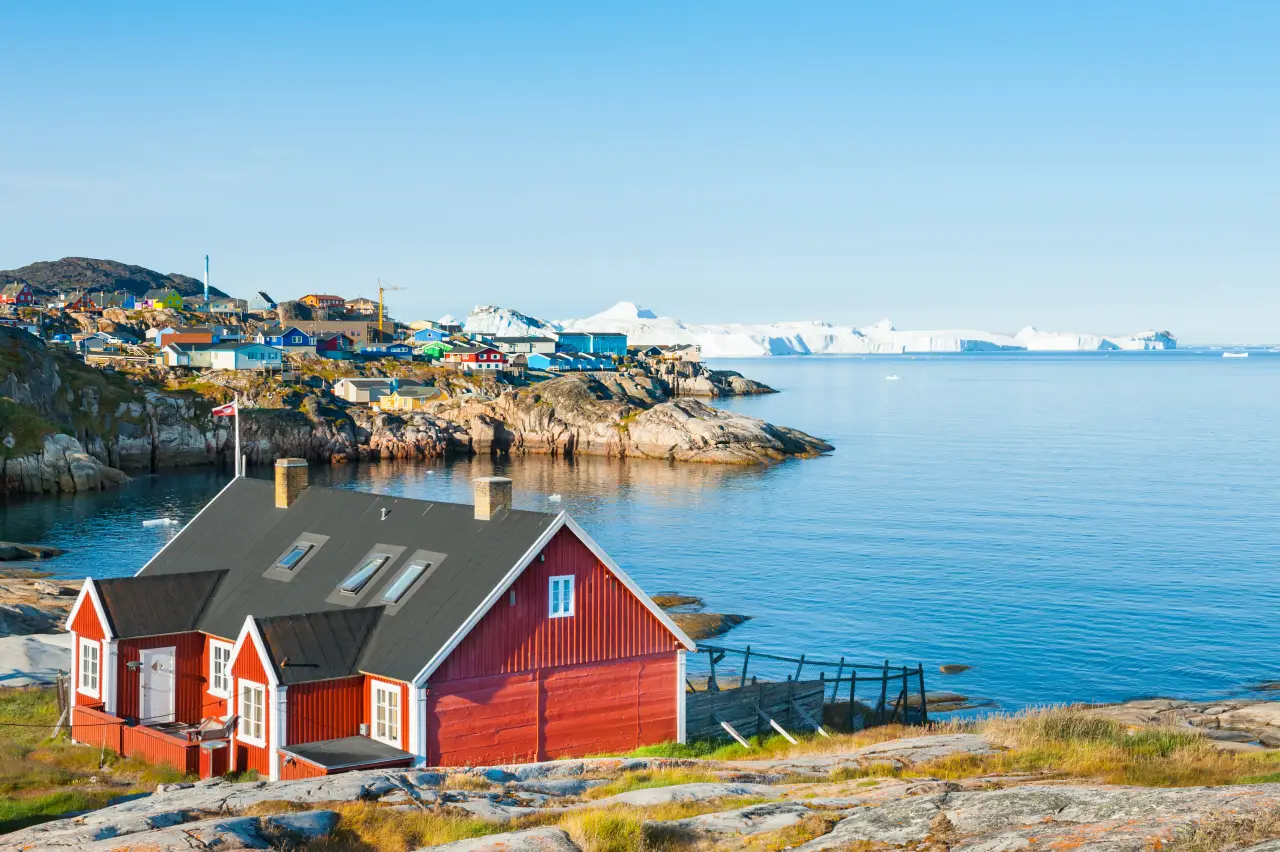
You can explore the area on foot via coastal hiking routes, join an iceberg cruise, or kayak for a closer look. Summer is also a prime time for whale watching, and winter adds activities like snowshoeing and dog sledding.
Nuuk
Nuuk, Greenland’s capital, mixes modern life with deep cultural roots. You’ll find museums, cafés, art spaces, and a growing food scene, all framed by fjords and mountains. It’s a great place to understand Greenlandic history and culture, then step outside the city for hikes and boat trips.
Nuuk can also be a good starting point for travelers who want nature without going fully remote right away.
Kangerlussuaq
Kangerlussuaq is known as an important flight hub, but it also offers direct access to the Greenland Ice Sheet. Many visitors come here for guided trips onto the ice and for wildlife spotting on the tundra. This region is one of the best places to see musk oxen, and it has a wide-open, inland feel that’s different from coastal towns.
East Greenland: Tasiilaq and Kulusuk
East Greenland feels wilder and more rugged, with steep mountains and deep fjords. Tasiilaq is a key gateway for hiking, boating, and exploring remote landscapes. Travel here often feels like stepping farther from the modern world, and many visitors come for the scenery and the sense of true isolation.
Because it’s more remote, trips to East Greenland usually require more planning, but the payoff is huge for travelers who want fewer crowds and dramatic terrain.
South Greenland: Qaqortoq and Norse ruins
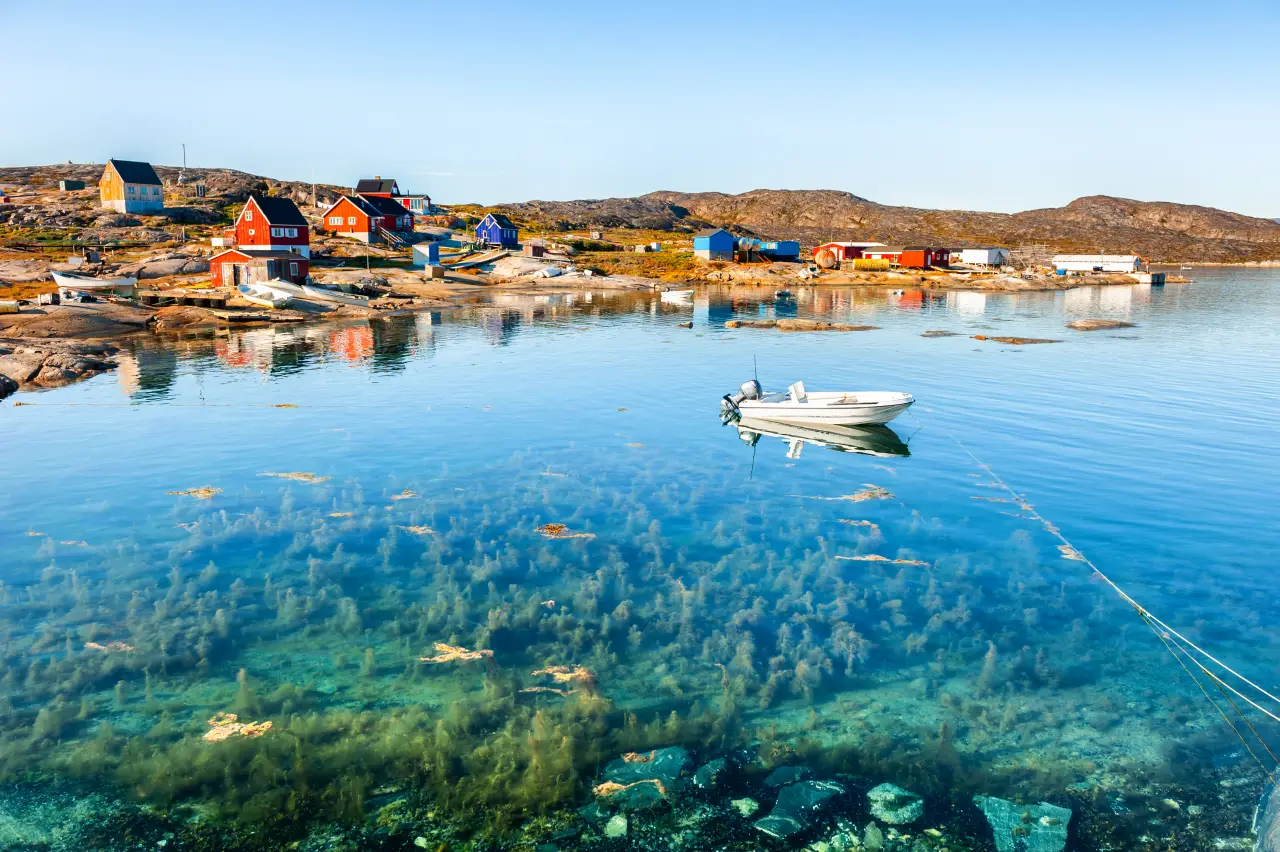
South Greenland has a milder climate and greener summer landscapes than many people expect. Qaqortoq is a colorful town with a relaxed feel, and the region is known for its Norse history. This is where you can explore ruins linked to Greenland’s Viking past and see how farming still plays a role in local life.
South Greenland is a great match for travelers who want culture, history, and gentler hiking routes.
What to do
Greenland is a place where the main attractions are often outdoors. Many experiences depend on season and region, but there’s plenty to choose from no matter when you go.
Hiking and nature walks are among the best ways to experience Greenland up close. In summer, you can follow trails along fjords, through valleys, and over rocky ridges with wide views. Some hikes start right outside towns, which makes it easy to explore even if you’re only staying a few days.
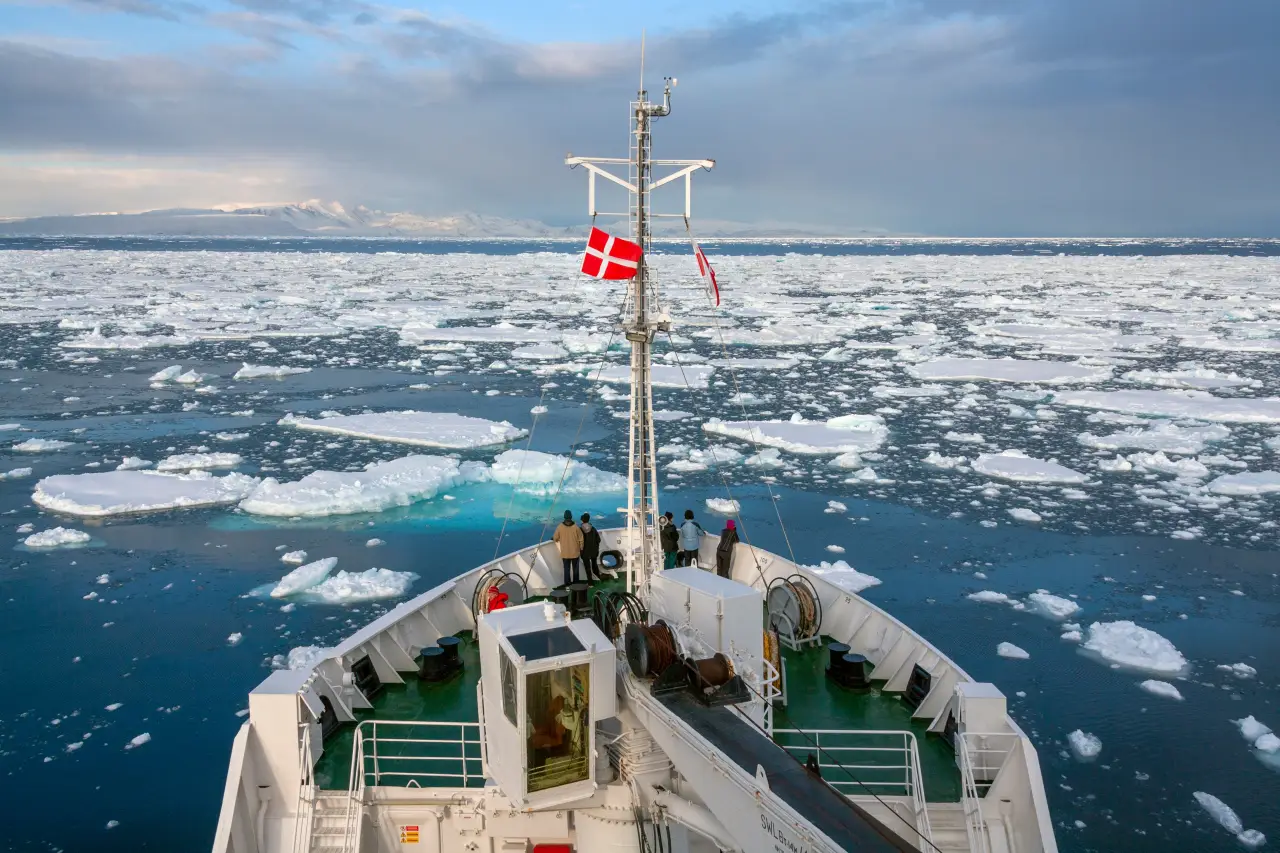
Iceberg cruises and kayaking are unforgettable in places like Ilulissat and Disko Bay. Seeing ice at water level changes how you understand the scale of Greenland’s landscapes. Kayaking can be calm and quiet, while boat trips often cover more distance and give you different angles on the ice and coastline.
Whale watching is a highlight for many visitors in summer. Humpback whales are among the most famous sightings, and tours often run from West Greenland towns. Bring warm layers for time on the water, even in summer.
Northern Lights viewing is best during darker months, typically from September into March. Clear skies and low light pollution make Greenland an excellent place for aurora spotting. The key is patience: you might see nothing one night and an unforgettable sky show the next.
Dog sledding and winter adventures offer a different kind of connection to the land. Dog sledding is not just a tourist activity in Greenland; it’s part of local tradition in many regions. In permitted areas, winter trips may also include snowmobiling, ice fishing, snowshoeing, and cross-country skiing.
Cultural experiences bring depth to any trip. Museums, local markets, events, and festivals can help you understand Greenland’s story, including Inuit traditions and the realities of living in the Arctic today.
Where to stay
Accommodation in Greenland ranges from simple guesthouses to comfortable hotels, and the best options depend on where you’re traveling. In smaller towns, choices can be limited, so it pays to book early.
Hotels are most common in larger towns such as Nuuk and Ilulissat. These often include restaurants and tour desks, which can make planning easier, especially if you want to book excursions once you arrive.
Guesthouses and apartments can feel more personal and sometimes more budget-friendly. They’re a good way to experience local hospitality and often come with practical features like kitchen access.
Unique stays can be part of the adventure. Depending on region and season, you may find wilderness lodges, cabins, or special accommodations designed for views of ice or the Northern Lights. These can sell out quickly, particularly during peak seasons.
Getting there and around
Although Greenland is culturally and politically associated with Europe (it is an autonomous territory within the Kingdom of Denmark), Greenland sits on the North American tectonic plate and is part of the North American continent. However, most international travelers reach Greenland via Copenhagen, Denmark, or Reykjavik, Iceland. Flights connect to key hubs such as Kangerlussuaq and Ilulissat, with onward connections to other towns.
Travel within Greenland requires flexibility. There are no roads linking major towns, so transport relies on small aircraft, helicopters, and boats. In winter, some local travel may also involve snowmobiles or sleds depending on the region and conditions.
Weather matters more here than in many destinations. Strong winds, fog, or storms can delay flights and boats, so it’s smart to build buffer time into your itinerary. If you can add an extra day or two, you’ll reduce stress and increase your chances of seeing what you came for.
Practical tips
Pack for changeable weather. Even in summer, conditions can shift quickly. Bring layers, a windproof outer jacket, and waterproof footwear.
Book early, especially in summer. Greenland has limited accommodation and tour capacity, and the best options often fill up months in advance.
Plan around daylight. Summer offers long days for exploring, while winter has limited light but excellent aurora potential. Build your daily schedule around the season.
Expect higher prices. Greenland is remote, and many goods must be imported. Budget for meals, transport, and tours accordingly.
Travel insurance is essential. Delays can happen, and medical services may be far away depending on where you are.
Respect local life and nature. Many towns are small, and residents live close to the environment. Follow local guidance, keep wildlife at a safe distance, and leave landscapes as you found them.
Greenland isn’t a destination you squeeze between other trips. It asks for time, curiosity, and a bit of courage. But if you go, you’ll return with something rare: the memory of a place that still feels vast, quiet, and untouched—and a new understanding of why so many people, suddenly, seem to want it.
Top Photo Credit: Artindo / Shutterstock.com